

Policy
10 February 2026
Mobilising Germany’s Tourism Future: A Strategy Built on Infrastructure, Mobility & Innovation
Policy
10 February 2026
Login / create an account to be able to react
-
310
Deutscher Tourismusverband
Deutscher Tourismusverband
Topics
Germany
Academic / Research and VET Institutions
Business Support Organisation
Company with 250 or more employees
Cluster Organisations
Consumer Organisations
Cultural and Heritage Organisations
Destination Management & Marketing Organisations
EU Institutions
Financial Institutions and Investors
Industry Associations and Chambers of Commerce
International Organisations
Local Authorities
Media / Journalist Organisations
National authorities
Networks and Federations / Confederations
NGOs / Non-profits
Notified Bodies
Regional Authorities
SMEs (a company with less than 250 employees)
Social Economy Entity
Trade Unions
Other
-
Specific types of tourism
-
-
Adventure tourism
-
Coastal, maritime and inland water tourism
-
Cultural tourism
-
Ecotourism
-
Education tourism
-
Festival tourism
-
Gastronomy tourism
-
Health and medical tourism
-
MICE tourism
-
Mountain tourism
-
Religious tourism
-
Rural tourism
-
Sports tourism
-
Urban/city tourism
-
Wellness tourism
-
-
Transition Pathway Strategic Areas
-
-
Governance of tourism destinations
-
Sustainable mobility
-
Tourism strategies
-
-
Business activities
-
-
Activities of amusement parks and theme parks
-
Activities of associations and other organisations supporting tourism
-
Air passenger transport
-
Camping grounds, recreational vehicle parks and trailer parks
-
Events catering and other food services
-
Festivals, cultural and entertainment activities
-
Gardens and nature reserves activities
-
Holiday Housing / Apartments and other short stay accommodation
-
Hotel and similar accommodation
-
Mobile beverage services
-
Mobile food services
-
Museums
-
Operation of historical sites
-
Other
-
Other accommodation
-
Other amusement and recreation activities
-
Other food and beverage services
-
Other holiday reservation services
-
Other tourism transportation activities
-
Rail Passenger transport
-
Recreational and sport activities
-
Restaurants, cafes and bars (Food and Beverage serving activities)
-
Road passenger transport
-
Tour operator activities
-
Travel agency activities
-
Water (sea, coastal and inland) passenger transport
-
Share
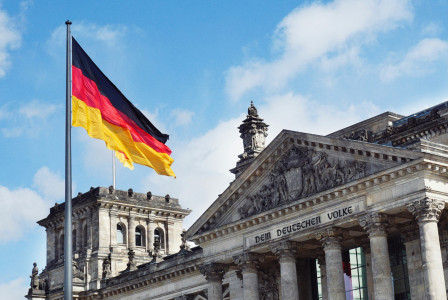
The German government’s newly presented National Tourism Strategy sets a comprehensive framework aimed at boosting competitiveness, strengthening regional destinations and adapting the sector to long‑term economic, environmental and societal shifts. It centers on reducing administrative burdens on tourism businesses, improving financial and regulatory conditions for small and medium‑sized enterprises, modernizing legal structures and encouraging new business formation. At the same time, the government highlights tourism’s broad economic importance and its role in supporting employment, local economies and cultural vitality nationwide.
A key pillar of the strategy is the decisive emphasis on mobility and infrastructure, recognised as the backbone of modern tourism. The German Federal Cabinet’s approval of the strategy underscores the priority placed on sustainable transport networks, whether rail, roads, waterways or electric mobility systems, all of which are essential for accessible and attractive destinations. The national plan includes major investment in rail upgrades, road maintenance, better air transport connectivity, nationwide expansion of public transport access, and improved cycling and hiking infrastructure. These measures aim not only to enhance travel convenience and reduce emissions but also to support structurally weaker regions that rely heavily on tourism for economic stability.
Digital transformation is positioned as another critical driver of the sector’s future. The government seeks to accelerate broadband expansion, strengthen digital and data‑sharing capabilities and encourage the adoption of artificial intelligence across tourism services. Projects such as the German National Tourist Board’s Knowledge Graph lay the groundwork for smarter, interconnected tourism systems, while AI‑supported tools are expected to improve visitor flows and address overtourism challenges. Further digital simplifications—like the upcoming European digital identity wallet—will streamline processes such as hotel check‑ins, visa handling and travel information exchange.
Sustainability, labor market resilience and climate adaptation form the final core layers of the strategy. Germany plans to support destinations in developing climate‑resilient infrastructures, promoting resource efficiency, offering barrier‑free travel experiences and ensuring that tourism growth does not compromise residents’ quality of life. The strategy also includes measures to ease skilled‑worker immigration, modernize working time regulations and expand training pathways to help address widespread labor shortages in tourism. These efforts reflect the government’s intent to secure both social and ecological balance while maintaining the sector’s long‑term competitiveness.
Comments (0)
Related content


Connected Partnership Opportunities
See also
Malta Vision 2050: Shaping the Future of Tourism and Beyond
- Categories
- Coastal, maritime and inland water tourism Cultural tourism Ecotourism +43 more

Mediterranean Tourism: Steering Towards Sustainability and Resilience
- Categories
- Coastal, maritime and inland water tourism Cultural tourism Ecotourism +44 more

Workshop resources "Unbalanced Rollercoaster: EU Tourism tools for a Smoother Ride"
- Categories
- Coastal, maritime and inland water tourism Cultural tourism Ecotourism +64 more