

Projects
23 September 2026
EU-funded project uses AI and virtual reality to protect endangered heritage sites
Projects
23 September 2026
Login / create an account to be able to react
-
7
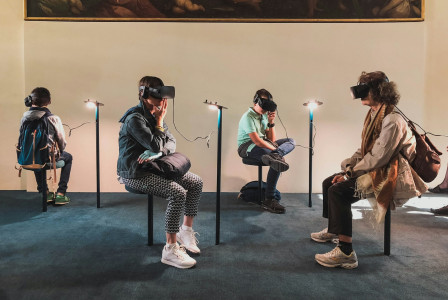
An EU-funded project called XRculture has used 3D digitisation, AI and extended reality to document heritage at risk and create new visitor experiences at museums and archaeological sites across Europe. A dedicated pilot on holographic heritage tourism reached over 60,000 users online and offline, far exceeding its original target.
Editorial team
European Health and Digital Executive Agency
Topics
Croatia
Italy
Portugal
Spain
Ukraine
Academic / Research and VET Institutions
Cultural and Heritage Organisations
National authorities
NGOs / Non-profits
-
Specific types of tourism
-
-
Cultural tourism
-
-
Transition Pathway Strategic Areas
-
-
Digitalisation of tourism SMEs and destinations
-
Innovative tourism services
-
R&I on digital tools for tourism
-
-
Business activities
-
-
Museums
-
Operation of historical sites
-
Share
Funded through the Digital Europe Programme, XRculture developed an offline-first augmented reality tool that lets museum staff and volunteers document endangered heritage collections without an internet connection, tested by 30 trained staff and volunteers in Odesa, Ukraine, generating 78 new digitisations and improving 33 existing 3D models for the Registry of the Museum Fund of Ukraine and Europeana. Across Italy, Croatia, Ukraine, Syria, Portugal and Spain, the project delivered 1,281 new or improved digitised heritage datasets overall. At the Museo Archeologico Nazionale delle Marche in Ancona, it used mixed reality to virtually reunite 23 Roman glass artefacts separated from their original Zadar collection since the Second World War, and a dedicated heritage tourism pilot turned 3D models into over 50 holographic videos shown across five European destinations using low-cost smartphone pyramid kits, engaging more than 2,000 visitors directly and reaching over 60,560 users online and offline, well beyond its original 7,500-user target.
#CulturalPreservation #InnovationInTourism #SmartTourism
Comments (0)
Connected Partnership Opportunities
See also

CyclOps: Enhancing data life cycle management
- Categories
- Coastal, maritime and inland water tourism Cultural tourism Ecotourism +43 more

DEPLOYTOUR: Driving digital transformation in European tourism
- Categories
- Coastal, maritime and inland water tourism Cultural tourism Ecotourism +43 more
fuTOURiSME: Empowering Tourism SMEs for the Twin Transition
- Categories
- Coastal, maritime and inland water tourism Cultural tourism Ecotourism +64 more