

Projects
03 April 2026
Slowtour project: unlocking industrial heritage through slow tourism in north-west Europe
Projects
03 April 2026
Login / create an account to be able to react
-
116
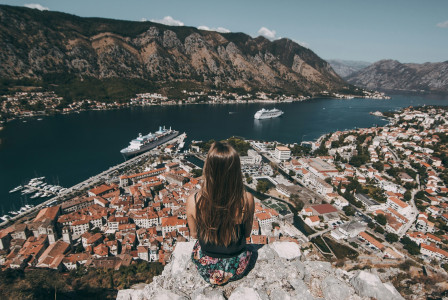
The SLOWTOUR project, supported by Interreg North-West Europe, is excitingly pioneering a fresh way to develop tourism by embracing slow tourism as a key way to inspire urban renewal and foster community participation. By highlighting citizen-led efforts and the thoughtful reuse of heritage, it offers a practical and inspiring guide for turning neglected areas into lively, welcoming spots that everyone can enjoy across Europe.
Interreg North-West Europe
Interreg North-West Europe
Topics
Belgium
Denmark
EU-27
France
Ireland
Academic / Research and VET Institutions
Destination Management & Marketing Organisations
Local Authorities
Regional Authorities
-
Specific types of tourism
-
-
Adventure tourism
-
Coastal, maritime and inland water tourism
-
Cultural tourism
-
Rural tourism
-
Wellness tourism
-
-
Transition Pathway Strategic Areas
-
-
Best practices, peer learning and networking
-
Changes in tourism demand and opportunities
-
Well-being of residents
-
-
Business activities
-
-
Activities of amusement parks and theme parks
-
Activities of associations and other organisations supporting tourism
-
Air passenger transport
-
Camping grounds, recreational vehicle parks and trailer parks
-
Events catering and other food services
-
Festivals, cultural and entertainment activities
-
Gardens and nature reserves activities
-
Holiday Housing / Apartments and other short stay accommodation
-
Hotel and similar accommodation
-
Mobile beverage services
-
Mobile food services
-
Museums
-
Operation of historical sites
-
Other
-
Other accommodation
-
Other amusement and recreation activities
-
Other food and beverage services
-
Other holiday reservation services
-
Other tourism transportation activities
-
Rail Passenger transport
-
Recreational and sport activities
-
Restaurants, cafes and bars (Food and Beverage serving activities)
-
Road passenger transport
-
Tour operator activities
-
Travel agency activities
-
Water (sea, coastal and inland) passenger transport
-
Share
The SLOWTOUR project exemplifies a new wave of European initiatives that challenge traditional roles of tourism in local development. Initiated under the Interreg North-West Europe programme, it unites a diverse group of cities, academic institutions, and regional organisations aiming to rejuvenate industrial heritage sites through slow tourism strategies. With a €5.1 million budget and a 3.5-year span, the project targets small and medium-sized cities confronting common issues: socio-economic decline, underutilised industrial areas, fragmented tourism flows, and a weakened sense of local identity among residents. SLOWTOUR advocates slow tourism as a solution, prioritising experience quality, local participation, and place-based growth over visitor numbers.
It positions slow tourism as a driver of urban renewal, community inclusion, cultural identity, and local economic revitalisation. Central to the project is citizen involvement, transforming residents into storytellers, co-creators, and ambassadors, ensuring that tourism development aligns with local values and directly benefits communities. Led by the City of Roubaix (France), the partnership includes cities such as Roeselare, Galway, and Limerick, as well as organisations such as Atlantic Technological University, NECSTouR, and IDETA Regional Development Agency.
A key output of the project will be the development of a Slow Tourism Blueprint—a strategic framework co-created by experts, local authorities and communities. This blueprint will provide methodologies for citizen engagement, best practices for reusing industrial heritage and policy recommendations for developing urban slow tourism.
To ensure tangible impact, the project will test its approach in six pilot cities: Galway and Limerick (Ireland), Roubaix (France), Roeselare and Tournai (Belgium), and Pirmasens (Germany). These pilots will include activities such as heritage-based routes, walking and cycling itineraries, cultural events, and creative reuse of public spaces. The results of these pilots will feed into a final Slow Tourism Playbook—a transferable toolkit designed to support other cities and regions in adopting similar approaches. The project aims to inspire at least 20 additional cities in North-West Europe through peer learning, workshops, and collaboration with universities and SMEs.
From a European perspective, SLOWTOUR is highly relevant. It directly addresses key EU priorities, including sustainable tourism, territorial cohesion, and community-led development. By focusing on smaller cities and underused assets, it contributes to a more balanced distribution of tourism benefits and helps reduce pressure on overcrowded destinations. Importantly, the project also reflects a broader shift in tourism policy—from growth-oriented models to approaches that prioritise quality, identity, and resilience. It demonstrates how tourism can be used not only as an economic tool but also as a mechanism for strengthening communities and reactivating places.
Ultimately, SLOWTOUR shows how European cooperation can translate innovative concepts into practical solutions. By combining heritage, community engagement and slow tourism principles, it offers a scalable model for destinations seeking to create more meaningful and sustainable tourism experiences.
More information:
https://necstour.eu/slowtour-press-release/
#Projects #Sustainable tourism #Smart Tourism #Destination Management
Comments (0)
Related content
Connected Partnership Opportunities
See also
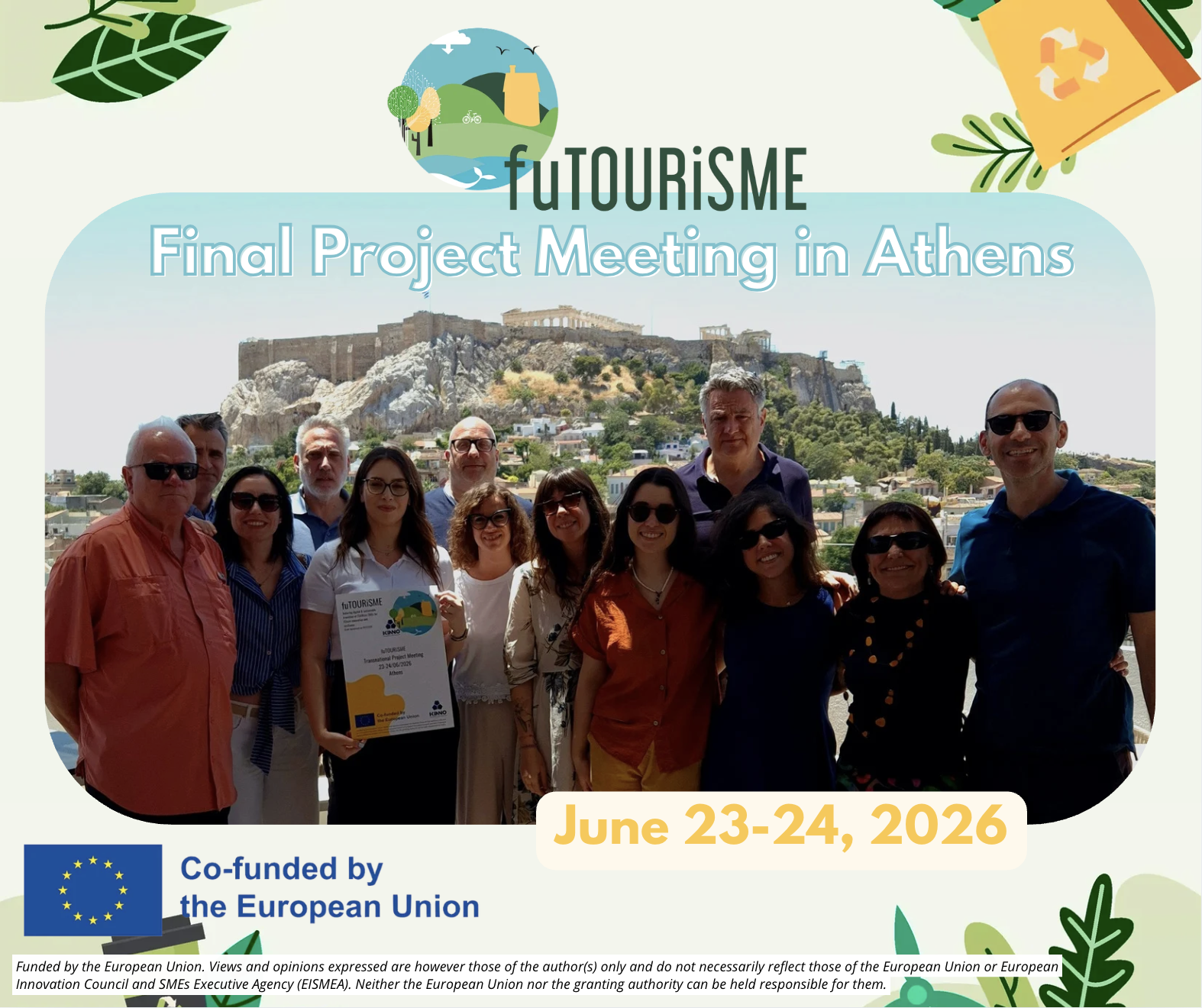
fuTOURiSME: Empowering Tourism SMEs for the Twin Transition
- Categories
- Coastal, maritime and inland water tourism Cultural tourism Ecotourism +64 more

RegenT: Pioneering Regenerative Tourism in the Baltic Sea Region
- Categories
- Coastal, maritime and inland water tourism Cultural tourism Ecotourism +45 more
RESTORE – Empowering Tourism SMEs to Become Regenerative Businesses for Combating Overtourism project
- Categories
- Coastal, maritime and inland water tourism Cultural tourism Ecotourism +46 more