

Projects
30 December 2025
South Baltic heritage as a driver for cross-border tourism development
Projects
30 December 2025
Login / create an account to be able to react
-
30
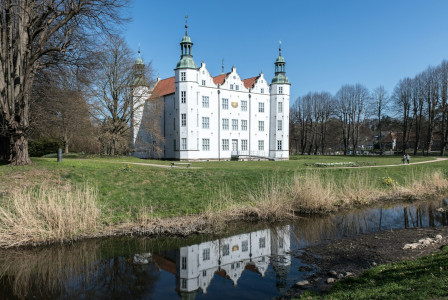
An article featured on page 30 of the publication South Baltic for culture and national heritage highlights how cultural heritage can be used as a strategic asset for tourism development in the South Baltic region. The focus is on cross-border cooperation, heritage routes and landscape-based storytelling as tools to attract culturally motivated visitors. The article demonstrates how shared heritage supports sustainable tourism growth and regional identity. The publication is available online as a PDF in Polish.
The Center of European Projects
The Center of European Projects
Topics
Denmark
Germany
Lithuania
Poland
Sweden
Academic / Research and VET Institutions
Cultural and Heritage Organisations
Destination Management & Marketing Organisations
Local Authorities
Media / Journalist Organisations
NGOs / Non-profits
Regional Authorities
-
Specific types of tourism
-
-
Cultural tourism
-
-
Transition Pathway Strategic Areas
-
-
Best practices, peer learning and networking
-
Governance of tourism destinations
-
-
Business activities
-
-
Activities of associations and other organisations supporting tourism
-
Festivals, cultural and entertainment activities
-
Operation of historical sites
-
Share
The article on page 30 of South Baltic for culture and national heritage explores how cultural and natural heritage can strengthen tourism across the South Baltic region through transnational cooperation. Although the text itself is published in Polish, its message is highly relevant for tourism stakeholders across Europe, particularly in countries participating in South Baltic cooperation frameworks.
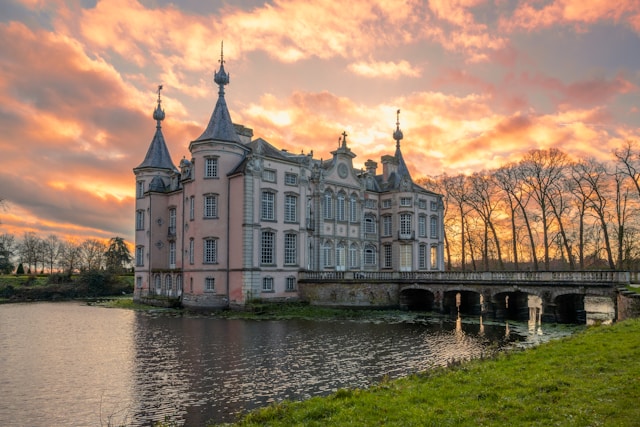
The South Baltic region includes partner countries such as Poland, Germany, Denmark, Sweden, and Lithuania, all of which share a rich, interconnected cultural landscape shaped by centuries of trade, migration, and exchange along the Baltic Sea. The article highlights how historic castles, palaces, cultural landscapes and cross-border heritage routes can be transformed into coherent tourism products that encourage visitors to explore regions rather than individual sites.
A key tourism takeaway from the article is the importance of creating thematic routes and cultural itineraries that link heritage sites across borders. These routes help extend visitor stays, distribute tourism flows more evenly and strengthen the visibility of lesser-known destinations. By combining cultural heritage with landscape, local narratives and community involvement, destinations can offer immersive experiences aligned with current demand for experiential and slow travel.
For Poland and Germany, the article underlines the potential of heritage cooperation in border regions, where shared history can become a joint tourism asset rather than a dividing line. For Denmark, Sweden and Lithuania, similar approaches support coastal and regional tourism development by connecting heritage to nature-based and cultural experiences. This cross-border perspective reinforces European values of cooperation, cultural dialogue and shared identity.
From a broader European tourism perspective, the article demonstrates how heritage-based tourism can support sustainable destination development. By focusing on authenticity, preservation and community engagement, cultural tourism initiatives in the South Baltic region help reduce pressure on mass-tourism hotspots while supporting local economies. The approach aligns with European priorities for sustainable tourism planning, regional cohesion, and responsible travel.
The article shows that when culture and heritage are embedded in cross-border strategies, tourism becomes not only an economic driver but also a tool for long-term regional resilience and cooperation.
The article is available online in Polish in the PDF publication here:
https://www.cpe.gov.pl/fe/eyJpdiI6ImxhTDFEWnlhbG93WlwvWWRRRW1WSmlBPT0iLCJ2YWx1ZSI6ImRcL0lBUjIwbHFtOVMrcGU0T3JaK3l4SjEzSk5mZWZmakEwNjdTcWo0emF5MUI2MUFqQWFvSk1yMmpNR1Q2RnN2TE9lRSs3N0dydjUxaGd6UEF2ZDhTYlNGOHpkbXpzZVFqbjhKZ1pxSm8wMD0iLCJtYWMiOiIzMjhmNjZmOTQwNGU5M2I0NDMyMWI5YjAyMTVjMmJlNjhiNGFkZWU4MjdmODRhN2E4NGMyZTRiY2E1NTA1YTg1In0=
#Cultural And Experiential Tourism #Sustainable Tourism #Responsible Travel #Sustainable Destinations #Tourism Development #Community Based Tourism #Slow Travel #Alternative Tourism
Comments (0)
Related content

Connected Partnership Opportunities
See also
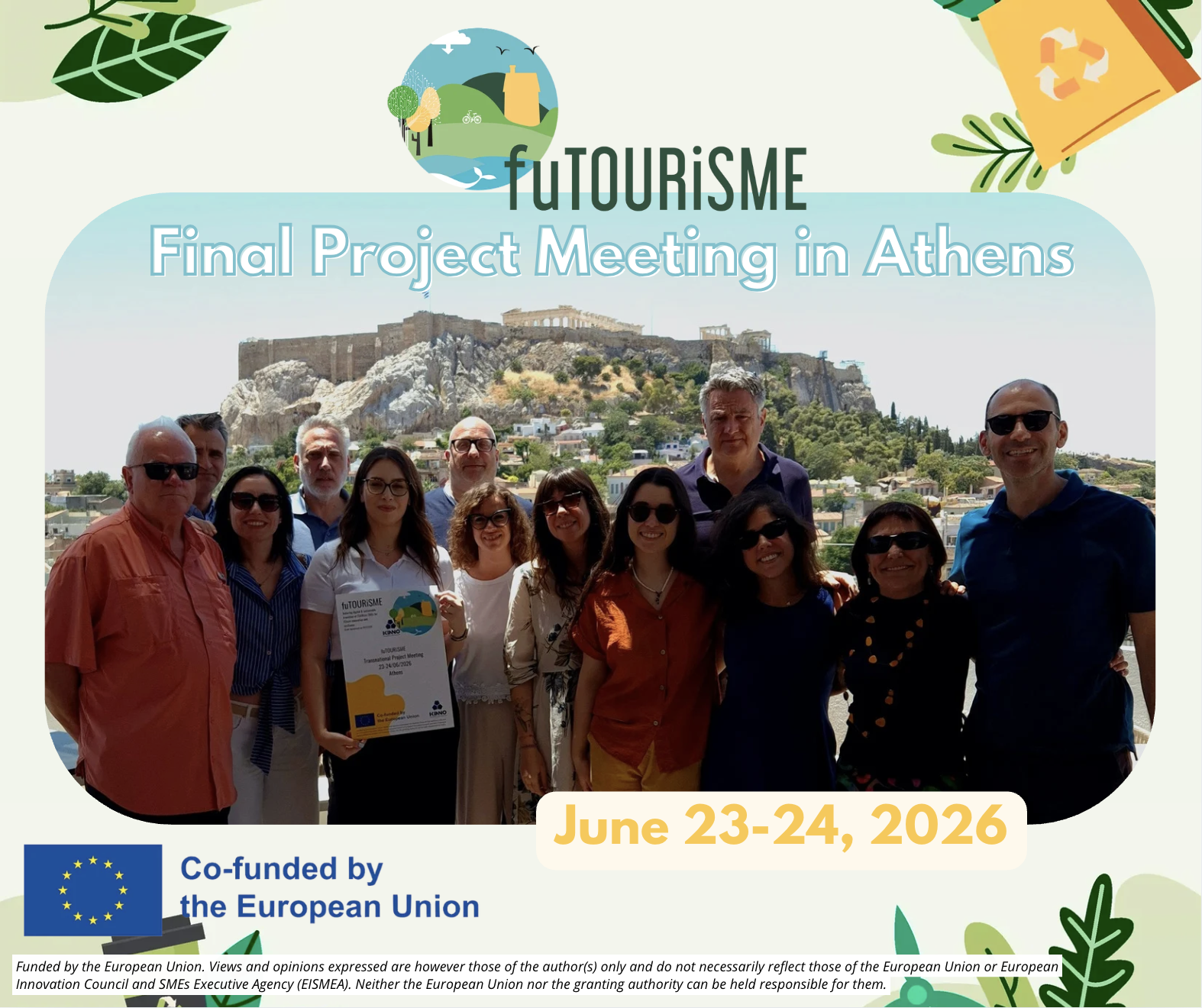
fuTOURiSME: Empowering Tourism SMEs for the Twin Transition
- Categories
- Coastal, maritime and inland water tourism Cultural tourism Ecotourism +64 more

RegenT: Pioneering Regenerative Tourism in the Baltic Sea Region
- Categories
- Coastal, maritime and inland water tourism Cultural tourism Ecotourism +45 more
OpenRegioCulture: Developing inclusive cultural access policies for special needs
- Categories
- Best practices, peer learning and networking Coordinated information on travelling Governance of tourism destinations +2 more