

News
19 November 2026
EFSA updates its risk assessment of Alternaria toxins in food and feed
News
19 November 2026
Login / create an account to be able to react
-
10
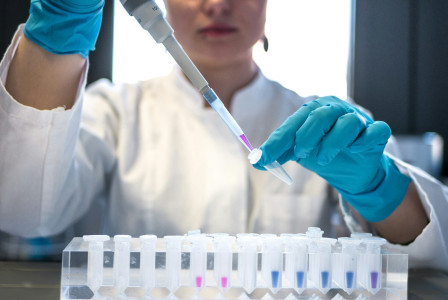
European Food Safety Authority (EFSA) has updated its scientific opinion on eight Alternaria toxins, substances produced by moulds that can contaminate food and feed, and concluded that five of them are genotoxic. The update draws on new occurrence data and exposure estimates. It identifies cereal-based foods, fruit products and juices, tomatoes, vegetables and some vegetable oils among the main contributors to dietary exposure, which makes it directly relevant for processors and suppliers of these products.
Editorial team
European Food Safety Authority
Topics
EU-27
Academic / Research and VET Institutions
Company with 250 or more employees
Industry Associations and Chambers of Commerce
National authorities
SMEs (a company with less than 250 employees)
-
Agri-food strategic objectives
-
-
Healthy and sustainable diets
-
Share
EFSA concluded that alternariol, alternariol monomethyl ether, altertoxin I, altertoxin II and stemphyltoxin III can damage DNA. Tenuazonic acid was the toxin found most frequently in food, particularly in mulberries, paprika powder and tomatoes. The available data were not sufficient to conclude whether it is genotoxic, so EFSA’s experts assessed its other effects with a conservative approach and concluded, with 98% certainty, that the probability of adverse effects from dietary exposure is low. For altenuene and tentoxin, estimated exposure was well below the levels at which adverse effects might occur. Relative to body weight, infants, toddlers and other young children generally had the highest estimated exposure. Foods contributing most to exposure included cereal-based foods, fruit products and juices, tomatoes, vegetables, grain-based foods, olive oil and sunflower oil.
For animal health, EFSA found that more data are needed for most species. Alternariol and its monomethyl ether are unlikely to pose a concern for chickens reared for meat, whereas health concerns from tenuazonic acid cannot be excluded for broilers or laying hens. For the first time, EFSA also explored a method without animal testing to estimate a safe level of exposure to tenuazonic acid, although remaining uncertainties meant the results were not used in the assessment. EFSA recommends collecting more occurrence data and carrying out further research to close the remaining knowledge gaps, which concerns food and feed business operators as well as national control authorities.
#EFSA #FoodSafetyEU
Comments (0)
Connected Partnership Opportunities
See also

Share Your Feedback on the Transition Pathways Platform - Survey Open Until 8 May
- Categories
- Food loss and waste A climate – neutral food chain Circular and resource-efficient food chain +3 more

EU Survey: Gaps in the Single Market Notification Obligations System
- Categories
- Food loss and waste A climate – neutral food chain Circular and resource-efficient food chain +3 more
Agri-Food Code list of signatories
- Categories
- Food loss and waste A climate – neutral food chain Circular and resource-efficient food chain +3 more