

News
30 July 2026
Stakeholders shape priorities for the EU's next food research agenda, Food 2040
News
30 July 2026
Login / create an account to be able to react
-
55
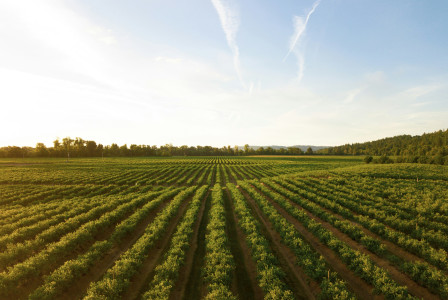
A new report presents an analysis and synthesis of input from 631 survey respondents and 63 written submissions, gathered through an open consultation to inform Food 2040, the forthcoming EU Strategic Research and Innovation Agenda for Food Systems. Stakeholders value the systems-thinking approach introduced by Food 2030 and see Food 2040 as an opportunity to build on it by strengthening implementation, impact, deployment and uptake. Key priorities identified include reducing environmental impact, promoting healthier diets, strengthening resilience and strategic autonomy, advancing circularity and protein diversification, supporting short supply chains, and scaling up food-system innovation.
Directorate-General for Research and Innovation
Topics
Austria
Belgium
Czechia
Denmark
EU-27
France
Germany
Greece
Hungary
Ireland
Italy
Norway
Poland
Portugal
Romania
Sweden
Academic / Research and VET Institutions
Business Support Organisation
Company with 250 or more employees
Cluster Organisations
Consumer Organisations
EU Institutions
Local Authorities
Media / Journalist Organisations
National authorities
Networks and Federations / Confederations
NGOs / Non-profits
Regional Authorities
SMEs (a company with less than 250 employees)
-
Agri-food strategic objectives
-
-
Healthy and sustainable diets
-
A climate – neutral food chain
-
Circular and resource-efficient food chain
-
Sustainable economic growth and employment
-
Sustainable sourcing
-
Share
The European Commission's Directorate-General for Research and Innovation has published "Building Food 2040: Stakeholder Input for the New EU R&I Strategic Agenda for Food Systems", a report analysing and synthesising input collected through an EU-wide consultation held in March 2026. The findings draw on 631 survey responses and 63 supplementary written submissions, including position papers, policy briefs, roadmaps and vision statements from industry associations, NGOs and academic networks. Respondents were drawn from across the food system, with research institutes and academia representing over half of participants, followed by individual citizens, agriculture and farming, government and policy actors, and food manufacturers and processors.
Stakeholders broadly confirmed the continued relevance of the systems-thinking approach introduced under Food 2030, which they credit with fostering more integrated, multi-actor collaboration across disciplines and sectors. At the same time, respondents called for the next agenda to go further by strengthening the links between research priorities, implementation pathways and measurable impact, and by helping bridge the well-known "valley of death" between promising research and its deployment at scale. Three themes emerged consistently across both the quantitative survey and the qualitative submissions: reduced environmental and climate impact beyond the farm gate, healthier dietary habits including greater protein diversification, and increased resilience and strategic autonomy in the face of recent geopolitical and supply-chain disruptions.
The report also highlights the need for stronger engagement with downstream actors such as processors, retailers and logistics operators, who remain underrepresented compared with the research community, and for closer connections between R&I funding and infrastructure such as pilot plants, demonstration facilities and biomanufacturing capacity. Overall, the consultation suggests that Food 2040 should build on the achievements of Food 2030 while placing greater emphasis on translating research excellence into scalable, market-ready solutions for a more competitive, resilient and sustainable EU food system.
Find the full report here.
#SustainableDiets #HealthyDietsEU #ClimateNeutralFoodChain #FoodSystemResilience #CircularFoodChain #ShortSupplyChains #SustainableSourcing #AlternativeProteins #StrategicAutonomyFood #Food2040 #FoodSystemsRD #AgriFoodSMEs
Comments (0)
Connected Partnership Opportunities
See also
EU agricultural output prices up 5.6%
- Categories
- Food loss and waste A climate – neutral food chain Circular and resource-efficient food chain +3 more
Advanced Fermentation Conference
- Categories
- Food loss and waste A climate – neutral food chain Circular and resource-efficient food chain +3 more
Call for Evidence on the Communication on Better Regulation
- Categories
- Food loss and waste A climate – neutral food chain Circular and resource-efficient food chain +3 more