

Projects
03 July 2026
LIFE F3 turns packaged food waste into circular animal feed
Projects
03 July 2026
Login / create an account to be able to react
-
22
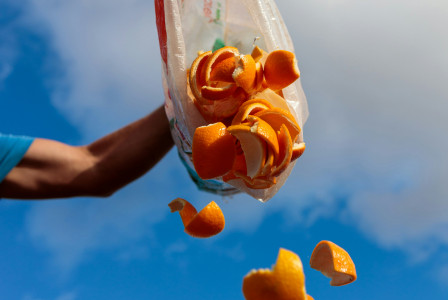
The LIFE F3 project has successfully demonstrated how unsellable packaged food can be transformed into high-quality animal feed ingredients. Supported by the LIFE Programme, the project has already expanded processing capacity, opened new market opportunities, and laid the groundwork for further replication in Europe.
European Commission - DG CINEA
Topics
Albania
Armenia
Austria
Belgium
Bosnia and Herzegovina
Bulgaria
Croatia
Cyprus
Czechia
Denmark
Estonia
EU-27
Finland
France
Georgia
Germany
Greece
Hungary
Iceland
Ireland
Italy
Kosovo
Latvia
Liechtenstein
Lithuania
Luxembourg
Malta
Moldova
Montenegro
Netherlands
North Macedonia
Norway
Poland
Portugal
Romania
Serbia
Slovakia
Slovenia
Spain
Sweden
Switzerland
Türkiye
Ukraine
Other
Academic / Research and VET Institutions
Business Support Organisation
Company with 250 or more employees
Cluster Organisations
Consumer Organisations
Cultural and Heritage Organisations
Destination Management & Marketing Organisations
EU Institutions
Financial Institutions and Investors
Industry Associations and Chambers of Commerce
International Organisations
Local Authorities
Media / Journalist Organisations
National authorities
Networks and Federations / Confederations
NGOs / Non-profits
Notified Bodies
Regional Authorities
SMEs (a company with less than 250 employees)
Social Economy Entity
Trade Unions
Other
-
Agri-food strategic objectives
-
-
Food loss and waste
-
A climate – neutral food chain
-
Circular and resource-efficient food chain
-
Share
The LIFE F3 project has successfully shown how packaged former foodstuffs can be transformed into valuable animal feed ingredients through innovative processing technologies. Implemented by Trotec NV in Belgium and France, the project has already led to significant operational gains and is now being replicated through a third factory under construction in Poland, while commercial discussions continue in Spain.
The project increased processing capacity by more than 50,000 tonnes per year, reduced dependence on imported raw materials, lowered the carbon footprint of feed production, and helped free up more than 9,000 hectares of agricultural land. It also enabled packaging materials to be separated and directed to appropriate recycling streams, reinforcing the project’s circular economy value.
In addition to funding the technology, the LIFE Programme supported the company through close-to-market assistance, helping shape its business strategy and identify priority markets. The project stands as a strong example of how EU support can turn circular innovation into scalable business solutions with environmental and economic impact.
#LIFEProgramme #FoodWaste #CircularEconomy #AnimalFeed #Sustainability #Bioeconomy #Innovation
Comments (0)
Connected Partnership Opportunities
See also

FertiCovery - Secondary raw material fertilisers as a path to sustainable agriculture
- Categories
- Food loss and waste A climate – neutral food chain Circular and resource-efficient food chain +3 more
I-RESTART Project
- Categories
- Food loss and waste A climate – neutral food chain Circular and resource-efficient food chain +3 more
SAFE-GREENPACK - food SAFEty assessment of «GREEN» disposable food PACKaging
- Categories
- Food loss and waste A climate – neutral food chain Circular and resource-efficient food chain +3 more