

Projects
19 November 2026
White paper sets out how European cities can support food sharing initiatives
Projects
19 November 2026
Login / create an account to be able to react
-
7
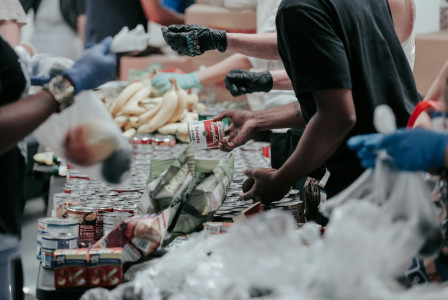
A white paper from an EU-funded research project draws lessons from policy dialogues in Milan, Barcelona and Utrecht on how public authorities can help food sharing initiatives, such as surplus food redistribution, become durable. Its central finding is that authorities achieve most when they convene and connect these initiatives rather than absorb or manage them. Outdated food safety and commercialisation rules and short-term funding remain the main structural barriers.
Editorial team
CULTIVATE consortium; Municipality of Milan
Topics
EU-27
Italy
Netherlands
Spain
Academic / Research and VET Institutions
EU Institutions
Local Authorities
NGOs / Non-profits
Regional Authorities
Social Economy Entity
-
Agri-food strategic objectives
-
-
Food loss and waste
-
Share
The paper, led by the Municipality of Milan, builds on three policy dialogues held between October 2025 and June 2026, each bringing together around 50 policymakers, researchers, practitioners and civil society representatives. The Milan dialogue looked at public-private partnerships for food waste reduction. In Barcelona, participants discussed wholesale markets as infrastructure for the social and solidarity economy, and in Utrecht they examined what food sharing delivers for wellbeing, social cohesion and health. The analysis draws on eight local practices, including a food recovery centre at a wholesale market and a municipal food hub.
The participants found that governance works best when the public administration convenes without owning, and that impact measurement should be proportionate so as not to burden the volunteers on whom initiatives depend. Each recommendation names the actor best placed to act, from EU institutions to city governments, funders and the initiatives themselves. The findings are linked to the Milan Urban Food Policy Pact, the Urban Agenda for the EU Partnership on Food and the project’s set of five tools for initiatives and policymakers. For wholesale markets, retailers and food businesses that donate surplus, as well as for local authorities, the paper offers a practical view of the regulatory and financial conditions that shape food redistribution.
#FoodDonation #FoodLossAndWaste
Comments (0)
Connected Partnership Opportunities
See also
EFRA Project
- Categories
- Food loss and waste A climate – neutral food chain Circular and resource-efficient food chain +3 more
FoodManufuture project
- Categories
- Food loss and waste A climate – neutral food chain Circular and resource-efficient food chain +3 more
Laatumarja: Southwestern Finland – The Leading Producer of Fresh Berries
- Categories
- Food loss and waste A climate – neutral food chain Circular and resource-efficient food chain +3 more