
Green transition
13 August 2026
JRC policy brief assesses growth potential and barriers for bio-based plastics
Green transition
13 August 2026
Login / create an account to be able to react
-
<a href="/user/login?destination=/chemicals/green-transition/jrc-policy-brief-assesses-growth-potential-and-barriers-bio-based%23comment-form">Log in</a> or <a href="/user/register?destination=/chemicals/green-transition/jrc-policy-brief-assesses-growth-potential-and-barriers-bio-based%23comment-form">register</a> to post comments
-
21
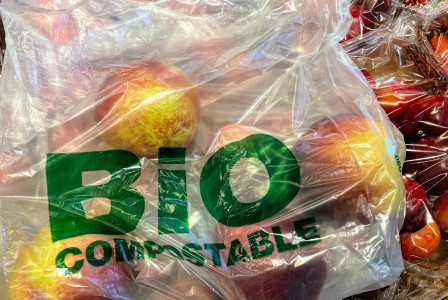
A JRC policy brief examines the role of bio-based plastics in the EU's circular bioeconomy, finding that they currently account for only around 0.5% of global plastics production but could grow significantly if key barriers around feedstock, cost and end-of-life management are addressed. For chemical producers weighing investment in bio-based alternatives to conventional plastics, the brief offers a rare, EU-focused assessment of where the real bottlenecks lie beyond production technology itself.
Editorial team
Joint Research Centre
Topics
EU-27
Academic / Research and VET Institutions
Company with 250 or more employees
EU Institutions
SMEs (a company with less than 250 employees)
-
Policy type
-
-
Green transition
-
Share
Global production capacity for bio-based and biodegradable plastics stood at around 2.3 million tonnes in 2025, a modest share of the overall plastics market, though announced capacity expansions are projected to nearly double this to about 4.7 million tonnes by 2030 if current investment plans materialise. The brief identifies six main challenges limiting further scale-up: competitiveness against conventional plastics on cost, securing sustainable feedstock sourcing at the volumes needed for industrial-scale production, end-of-life management given the current lack of dedicated recycling and composting infrastructure, environmental impact assessment methodologies that can adequately capture trade-offs across different impact categories, continued technical innovation in processing and material performance, and consumer attitudes toward bio-based products.
The brief suggests that the EU bio-based plastics industry could grow substantially by relying more heavily on domestic feedstock sources, a shift that would bring socio-economic benefits such as job creation in rural and industrial regions alongside greater strategic autonomy from imported fossil and bio-based feedstocks alike, while also requiring parallel improvements in recyclability and end-of-life handling to avoid simply shifting waste management challenges from one material type to another.
Importantly, the brief cautions that replacing fossil feedstocks with bio-based alternatives generally lowers greenhouse gas emissions across the product life cycle, but that trade-offs can arise in other environmental impact categories such as land use, water consumption or eutrophication, meaning that feedstock substitution is not automatically beneficial across every environmental metric and should be assessed holistically rather than assumed.
#BioBasedChemicals #FeedstockSubstitution #CircularEconomy
Documents
Comments (0)
Connected Partnership Opportunities
See also
Commission seeks feedback on the future Advanced Materials Act
- Categories
New scientific tasks for ECHA under the EU’s updated water protection legislation
- Categories
- Green transition

Registration opens for the Raw Materials Mechanism under the EU Energy and Raw Materials Platform
- Categories