
Other actions
05 November 2026
EU-funded project develops hydrogen storage with porous materials and ammonia synthesis in membrane reactors
Other actions
05 November 2026
Login / create an account to be able to react
-
11
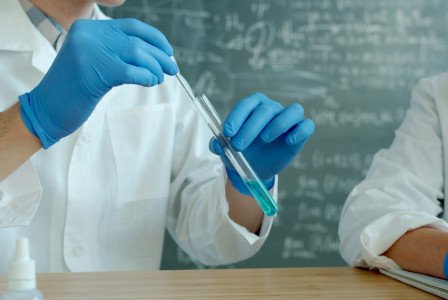
The EU-funded AMBHER project, coordinated by Tecnalia in Spain with 16 partners from six countries, developed two complementary approaches to hydrogen storage: ultra-porous metal organic frameworks for short-term storage and ammonia production with new catalysts and membranes for long-term storage. The project states that it demonstrated the viability of both solutions, and its technology roadmap puts commercialisation seven to 11 years away.
Editorial team
CORDIS
Topics
Spain
Academic / Research and VET Institutions
Company with 250 or more employees
EU Institutions
SMEs (a company with less than 250 employees)
-
Policy type
-
-
Green transition
-
Share
Renewable electricity can be converted into hydrogen by electrolysis, then stored, transported and used in fuel cells, transport or industrial processes. According to the project coordinator, the main challenge is the low volumetric energy density of hydrogen: storing it directly generally requires specialised materials or high-pressure vessels, often at very low temperatures. Converting hydrogen into ammonia makes long-term storage easier, but conversion and recovery involve energy losses and additional equipment.
For short-term storage, the team developed ultra-porous metal organic frameworks, cage-like materials built from metal ions connected by organic molecules on which hydrogen can attach itself, and designed storage vessels for transport applications that can integrate them. For long-term storage, the project worked on the safe and sustainable production of ammonia, developing new catalysts and membranes for integration in membrane reactors for process intensification. The focus was on resource-efficient processing and low-cost material synthesis, to reduce material and energy requirements. Because ammonia synthesis is already an established industrial process, this route connects hydrogen storage with a core step of fertiliser and chemicals production. The coordinator links the results to stronger European capabilities in the design and manufacture of advanced catalysts, membranes and nanoporous materials.
The AMBHER technology roadmap predicts that commercialisation of both solutions would take from seven to 11 years and require continued investment in material development from laboratory scale to market, and several technical challenges in material development were identified. The partners plan to exploit the results through patents, industrial design and licensing, and direct industrial use of ammonia synthesis in integrated catalytic membrane reactor systems may be explored for licensing or technology transfer to ammonia producers and technology providers. The project had a total cost and EU contribution of about €4.92 million.
#HydrogenInfrastructure #ProcessInnovation #FeedstockDiversification
Comments (0)
Connected Partnership Opportunities
See also

EU-funded project develops mechanochemical recycling of fluoropolymers and other PFAS waste
- Categories
EU-funded project develops PFAS-free cellulose membranes for fuel cells and flow batteries
- Categories
ZeroPM project concludes with conference on phasing out persistent chemicals
- Categories