
Sectorial reports
13 August 2026
JRC factsheet maps pathways to carbon-neutral ammonia production in the EU
Sectorial reports
13 August 2026
Login / create an account to be able to react
-
<a href="/user/login?destination=/chemicals/sectorial-reports/jrc-factsheet-maps-pathways-carbon-neutral-ammonia-production-eu%23comment-form">Log in</a> or <a href="/user/register?destination=/chemicals/sectorial-reports/jrc-factsheet-maps-pathways-carbon-neutral-ammonia-production-eu%23comment-form">register</a> to post comments
-
12
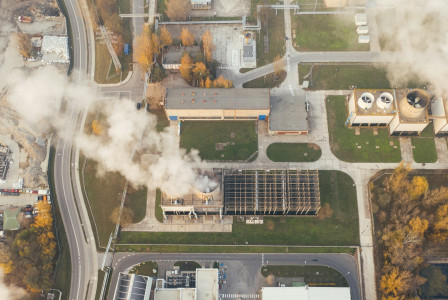
A JRC factsheet maps the EU ammonia industry's route to carbon neutrality, covering emission sources, decarbonisation trajectories and technology-specific CO2 abatement costs through 2050. For an industry segment that sits at the intersection of fertiliser production and, increasingly, the hydrogen economy, the factsheet offers a rare technology-by-technology view of what decarbonisation will actually cost.
Editorial team
Joint Research Centre
Topics
EU-27
Academic / Research and VET Institutions
Company with 250 or more employees
EU Institutions
Industry Associations and Chambers of Commerce
Regional Authorities
SMEs (a company with less than 250 employees)
-
Policy type
-
-
Green transition
-
Share
The factsheet provides a sectoral breakdown of ammonia production emissions, distinguishing between the different sources within the Haber-Bosch process and the upstream hydrogen production step that typically accounts for the largest share of the sector's carbon footprint. It estimates abatement costs for different decarbonisation technologies, tracking their maturity from research and demonstration through to full commercial deployment across the 2025 to 2050 timeframe, a structure that allows readers to see not just which technologies are cheapest in principle but which are actually likely to be available at scale within a given planning horizon.
It also assesses how closely this technology evolution aligns with current EU policy targets under instruments such as the Renewable Energy Directive and the Emissions Trading System, offering a reference point for gauging whether announced projects and available funding are on track to meet climate neutrality goals for what remains one of the chemical sector's most energy-intensive and structurally hard-to-abate product lines. Ammonia production is closely tied to the broader hydrogen infrastructure discussion already unfolding across the EU, since low-carbon ammonia synthesis depends on access to renewable or low-carbon hydrogen at a cost and scale that current electrolyser and pipeline capacity cannot yet reliably guarantee.
For companies and policymakers assessing recent project announcements, such as the Yara carbon capture facility inaugurated in the Netherlands or new ammonia import terminals under development in Rotterdam and Hamburg, the factsheet provides an independent technical benchmark against which to judge whether individual projects are consistent with the abatement cost trajectory the sector as a whole needs to follow to hit its 2050 targets.
#IndustrialDecarbonisation #FeedstockDiversification #EnergyIntensiveIndustries
Documents
Comments (0)
Connected Partnership Opportunities
See also
Cefic publishes its first Chemical Trends Report for 2026 (January to March)
- Categories
- Digital transition EU Policy Green transition
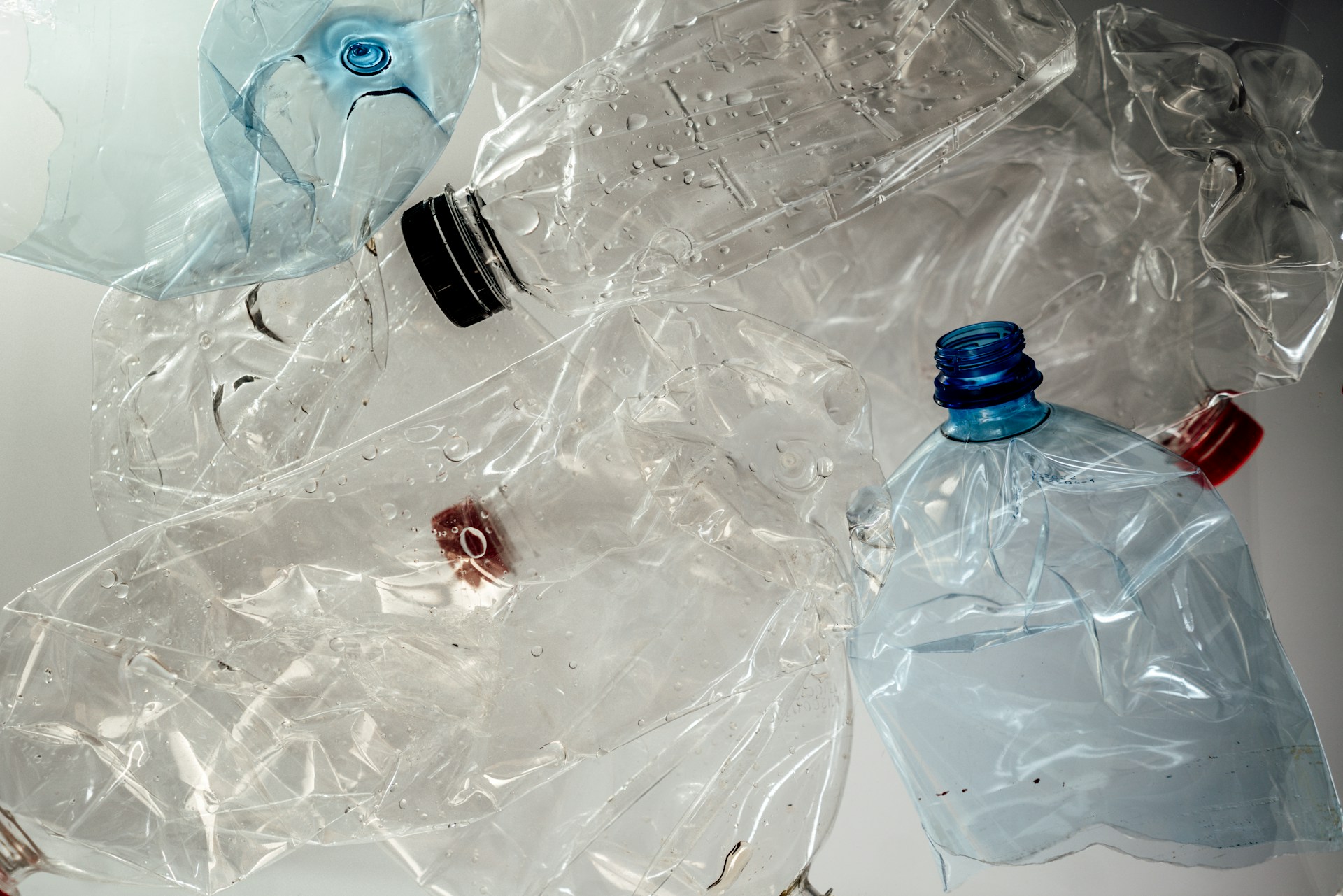
OECD report examines how to validate chemical content of recycled plastics
- Categories
JRC report assesses economic viability of chemical recycling of plastics in the EU
- Categories