

Sectorial reports
13 August 2026
OECD report examines how to validate chemical content of recycled plastics
Sectorial reports
13 August 2026
Login / create an account to be able to react
-
<a href="/user/login?destination=/chemicals/sectorial-reports/oecd-report-examines-how-validate-chemical-content-recycled-plastics%23comment-form">Log in</a> or <a href="/user/register?destination=/chemicals/sectorial-reports/oecd-report-examines-how-validate-chemical-content-recycled-plastics%23comment-form">register</a> to post comments
-
11
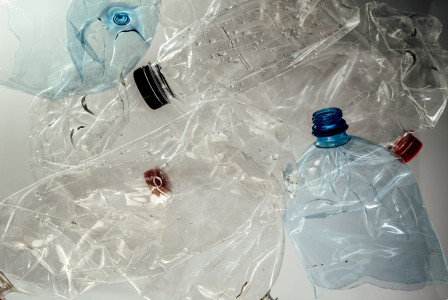
A report published by the OECD reviews the chemical safety considerations built into standards, certifications and quality control processes for recycled plastics, and assesses the analytical techniques currently used to characterise the chemical content of secondary materials. For chemical recyclers and downstream manufacturers alike, the report's findings speak directly to a question that has repeatedly surfaced in industry discussions on End-of-Waste criteria: how to demonstrate that recycled material is genuinely safe once it re-enters the value chain.
Editorial team
OECD
Topics
EU-27
Academic / Research and VET Institutions
Company with 250 or more employees
EU Institutions
Industry Associations and Chambers of Commerce
National authorities
SMEs (a company with less than 250 employees)
-
Policy type
-
-
Green transition
-
Share
The report addresses a core challenge for the circular economy: plastics can contain thousands of different chemicals, some of them substances of concern, and this information can become incomplete or lost entirely as materials move through recycling, since new contaminants or degradation products can also emerge during reprocessing itself. The heterogeneity of plastic waste streams, combined with limited source separation in many collection systems across different countries, adds a further layer of complexity to tracking chemical content reliably from collection through to the finished recycled product.
Drawing on a review of existing standards and certification schemes, the report finds considerable variation in how thoroughly chemical content is characterised and verified across different quality assurance systems, with some relying on relatively basic screening while others apply more sophisticated analytical techniques capable of detecting a broader range of substances. This inconsistency has implications for how much confidence downstream users, and ultimately regulators, can place in claims that a given batch of recycled plastic meets applicable chemical safety requirements.
The report concludes that ensuring chemical safety in recycled plastics requires an integrated approach combining harmonised international standards, robust analytical techniques, chemical traceability systems that follow material through the recycling chain, targeted economic incentives, and closer research collaboration between industry, standard-setters and regulators. Taken together, these elements are presented as mutually reinforcing: none alone is sufficient to guarantee safety at the scale needed to support ambitious recycling targets, but combined they could allow the circular economy to expand without compromising on chemical safety, a balance that remains central to ongoing EU discussions on End-of-Waste criteria for both mechanical and chemical recycling routes.
#ChemicalRecycling #ChemicalSafety #CircularEconomy
Documents
Comments (0)
Connected Partnership Opportunities
See also
Cefic publishes its first Chemical Trends Report for 2026 (January to March)
- Categories
- Digital transition EU Policy Green transition
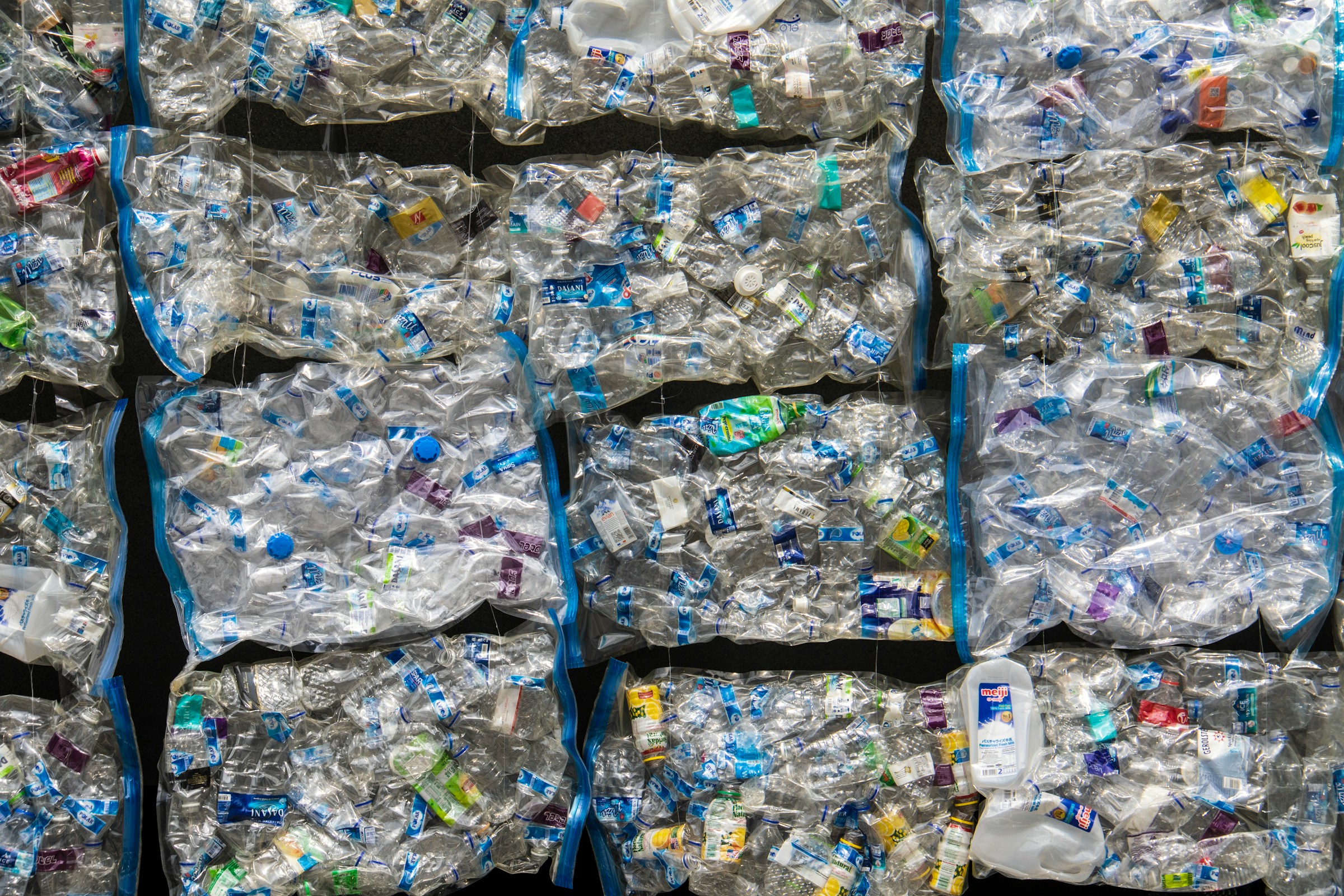
JRC report assesses economic viability of chemical recycling of plastics in the EU
- Categories
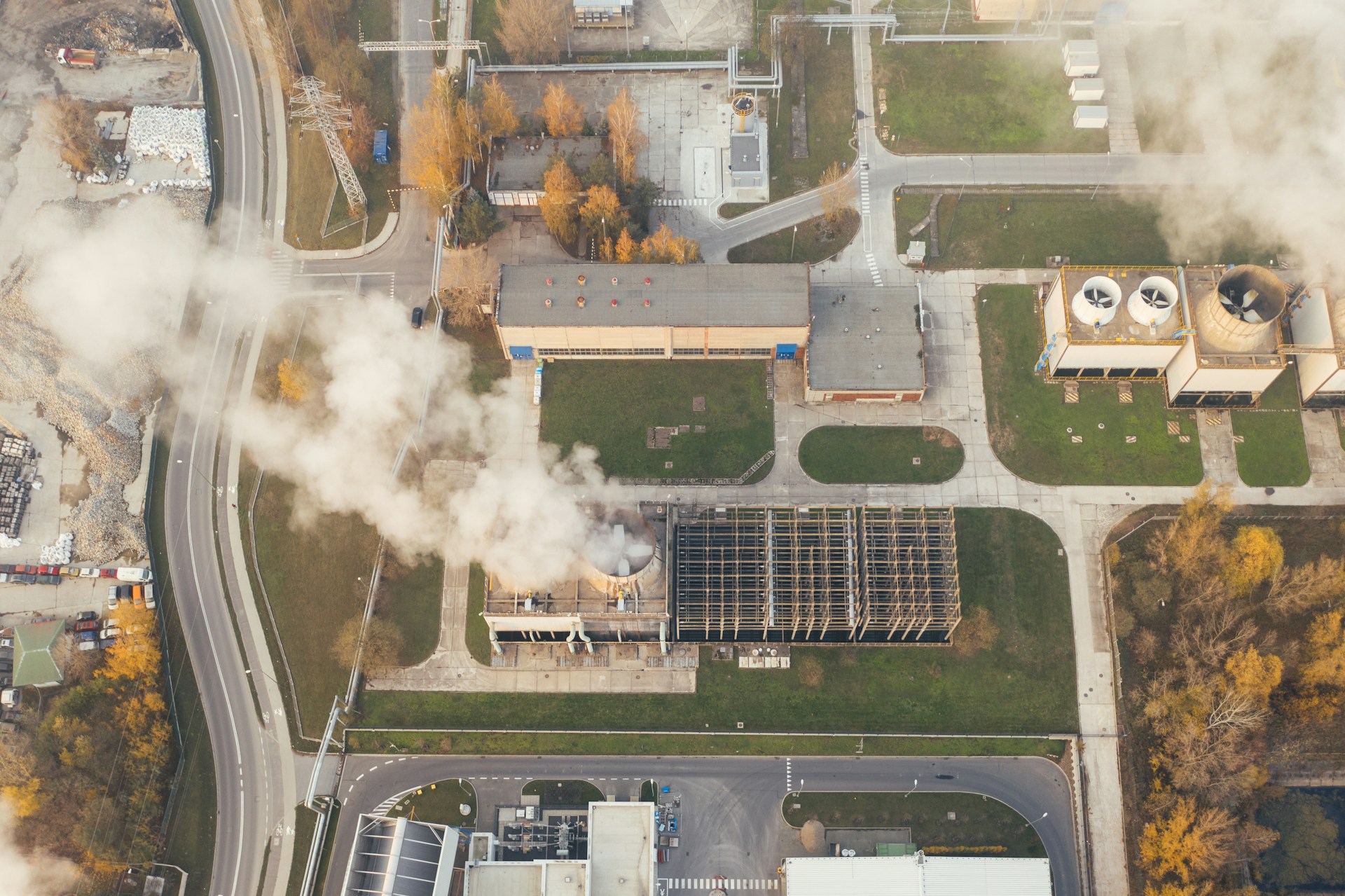
JRC factsheet maps pathways to carbon-neutral ammonia production in the EU
- Categories