

Data
06 September 2024
Traffic patterns on Iceland's major roads
Data
06 September 2024
Adventure tourism
Coastal, maritime and inland water tourism
Cultural tourism
+16 more
Login / create an account to be able to react
-
27
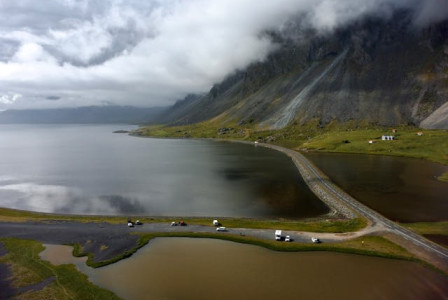
In 2024, average daily traffic on Iceland’s major roads has fully recovered from the pandemic, often surpassing 2019 levels, with the highest counts observed in the Capital area.
Statistics Iceland
Topics
Iceland
Academic / Research and VET Institutions
Company with 250 or more employees
Consumer Organisations
Cultural and Heritage Organisations
Destination Management & Marketing Organisations
EU Institutions
Financial Institutions and Investors
Industry Associations and Chambers of Commerce
International Organisations
Local Authorities
Media / Journalist Organisations
National authorities
Networks and Federations / Confederations
NGOs / Non-profits
Regional Authorities
SMEs (a company with less than 250 employees)
Trade Unions
-
Specific types of tourism
-
-
Adventure tourism
-
Coastal, maritime and inland water tourism
-
Cultural tourism
-
Ecotourism
-
Education tourism
-
Festival tourism
-
Gastronomy tourism
-
Health and medical tourism
-
MICE tourism
-
Mountain tourism
-
Religious tourism
-
Rural tourism
-
Sports tourism
-
Urban/city tourism
-
Wellness tourism
-
-
Transition Pathway Strategic Areas
-
-
Coordinated information on travelling
-
Improving statistics and indicators
-
Innovative tourism services
-
-
Business activities
-
-
Road passenger transport
-
Share
Based on the latest data from Statistics Iceland, the average daily traffic counts on major roads in Iceland have fully recovered from the pandemic impact by 2024. Traffic levels have exceeded 2019 values in almost all months and on nearly all major roads, with only minor decreases in a few months of 2024. The highest daily traffic is observed in the Capital area, specifically on Reykjanesbraut by Dalvegur in Kópavogur and Vesturlandsvegur (Nesbraut) by Skeljungur in Ártúnsbrekka, with average daily counts ranging from 56,000 to 73,000 vehicles.
For a more detailed analysis of average daily traffic counts on major roads in Iceland, Statistics Iceland provides options to select values for analysis, including year and month from 2005 to 2024 and specific roads.
#Tourism indicators
Comments (0)
Related content

See also

Digital transformation in tourism: Greece and its competitors
- Categories
- Coastal, maritime and inland water tourism Cultural tourism Ecotourism +40 more

Tourism receipts and spending 2008-2018
- Categories
- Coastal, maritime and inland water tourism Cultural tourism Ecotourism +40 more
Eurostat article: Intra-EU tourism trends
- Categories
- Coastal, maritime and inland water tourism Cultural tourism Ecotourism +40 more