

Articles
02 December 2025
Decarbonising Tourism: Navigating Climate Goals and Global Competitiveness
Articles
02 December 2025
Login / create an account to be able to react
-
1165
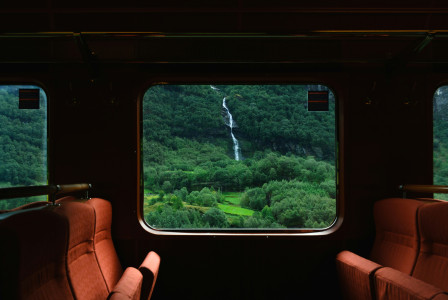
Tourism, as beautiful as it is, comes with a substantial carbon bill - and it is increasingly impossible to ignore. Travel and tourism currently account for about 7.3% of global greenhouse gas emissions (2024), following a peak of 8.3% in 2019 and a temporary drop during the pandemic. This figure represents the share of total emissions; however, when considering climate impact rather than just emissions, the effect is even more significant. Yet tourism remains central to Europe’s economy: in 2024 it contributed almost €1.8 trillion to EU GDP, over 10% of economic output. By 2035, it could support more than 30 million EU jobs, adding around 4.5 million new positions. The question is no longer whether tourism should decarbonise, but how it can do so while remaining a strong driver of employment, innovation and cohesion.
Topics
EU-27
Academic / Research and VET Institutions
Business Support Organisation
Company with 250 or more employees
Cluster Organisations
Consumer Organisations
Cultural and Heritage Organisations
Destination Management & Marketing Organisations
EU Institutions
Financial Institutions and Investors
Industry Associations and Chambers of Commerce
International Organisations
Local Authorities
Media / Journalist Organisations
National authorities
Networks and Federations / Confederations
NGOs / Non-profits
Notified Bodies
Regional Authorities
SMEs (a company with less than 250 employees)
Social Economy Entity
Trade Unions
Other
-
Specific types of tourism
-
-
Adventure tourism
-
Coastal, maritime and inland water tourism
-
Cultural tourism
-
Ecotourism
-
Education tourism
-
Festival tourism
-
Gastronomy tourism
-
Health and medical tourism
-
MICE tourism
-
Mountain tourism
-
Religious tourism
-
Rural tourism
-
Sports tourism
-
Urban/city tourism
-
Wellness tourism
-
-
Transition Pathway Strategic Areas
-
-
Changes in tourism demand and opportunities
-
Circularity of tourism services
-
Digitalisation of tourism SMEs and destinations
-
Green Transition of Tourism Companies and SMEs
-
Multimodal travelling
-
Sustainable mobility
-
-
Business activities
-
-
Activities of amusement parks and theme parks
-
Activities of associations and other organisations supporting tourism
-
Air passenger transport
-
Camping grounds, recreational vehicle parks and trailer parks
-
Events catering and other food services
-
Festivals, cultural and entertainment activities
-
Gardens and nature reserves activities
-
Holiday Housing / Apartments and other short stay accommodation
-
Hotel and similar accommodation
-
Mobile beverage services
-
Mobile food services
-
Museums
-
Operation of historical sites
-
Other
-
Other accommodation
-
Other amusement and recreation activities
-
Other food and beverage services
-
Other holiday reservation services
-
Other tourism transportation activities
-
Rail Passenger transport
-
Recreational and sport activities
-
Restaurants, cafes and bars (Food and Beverage serving activities)
-
Road passenger transport
-
Tour operator activities
-
Travel agency activities
-
Water (sea, coastal and inland) passenger transport
-
Share
Competitiveness Through Decarbonisation
Climate impacts are already reshaping Europe’s tourism landscape. The European Environment Agency warns that extreme heat, drought, wildfires and flooding will intensify, and in 2025 alone these events caused an estimated €43 billion in economic losses across the EU with projections suggesting these losses could triple by 2029. Alpine resorts facing shorter snow seasons and Mediterranean destinations coping with record temperatures show how urgently emissions must fall to stay aligned with the Paris Agreement’s 1.5°C pathway.
Globally, tourism remains highly carbon intensive. A 2024 study shows that each dollar of tourism spending generated 1.02 kg of greenhouse-gas emissions in 2019, nearly four times the intensity of the wider service sector. Transport drives much of this footprint. UN Tourism estimates that tourism-related transport made up 5% of all human-made emissions and 22% of global transport emissions in 2016, with levels projected to rise 25% by 2030.
Despite temporary reductions during the pandemic, there is no clear sign of lasting progress. Between 2019 and 2024, tourism GDP grew by about 1.3% annually, while emissions drastically declined between 2019 and 2020 (from 8.3% of total GHG emissions in 2019 to 4.2% in 2020) - a short-term effect of travel restrictions rather than systemic change. Emissions are now climbing again, nearing 2010 levels, and the sector continues to expand. Decoupling growth from emissions is still far from reality.
In Europe, policy is increasingly shaping this trajectory. The EU Green Deal and the Clean Industrial Deal aim to align climate neutrality with industrial competitiveness. Major investments - from sustainable aviation fuels to expanded high-speed rail and multimodal transport - seek to reduce reliance on carbon-intensive mobility, guiding where capital flows and how quickly destinations can transition while staying competitive.
Transport, Mobility and Infrastructure: How to Align EU Decarbonisation Ambitions with Industrial Realities
The transport and mobility sector is a key enabler of connectivity and competitiveness for European tourism, contributing around 5% to EU GDP and employing more than 10 million people across Europe. Transport accounts for roughly 25% of the EU's total greenhouse gas emissions, a share that is expected to change as the EU aims to become climate-neutral by 2050 - an economy with net-zero greenhouse gas emissions, including transport.
Against this backdrop, the Draghi Report on EU Competitiveness estimates that the cost of decarbonising essential transport modes such as aviation and maritime could reach €100 billion each year from 2031 to 2050. At the same time, the EU’s decarbonisation goals are more ambitious than those of its global competitors, creating additional short-term costs for European industry.
To align climate policies with industry realities, without compromising the transport sector’s competitiveness or pricing customers out of the market, long-term sustainable transport investment is essential. The EU Sustainable Transport Investment Plan (STIP), unveiled in November 2025, is a first step in this direction. It aims to accelerate cleaner mobility by boosting low-carbon fuels and expanding rail and multimodal links, mobilising €2.9 billion by 2027 and helping unlock €100 billion by 2035. Similarly, the High-Speed Rail plan, also presented in November this year, seeks to better connect Europe by train and shorten travel times, while strengthening the EU's global competitiveness and reducing emissions. Finally, a year ago, the Commission presented a Flight Emissions Label (FEL), a voluntary tool, which offers a clear and trustworthy methodology for calculating flight emissions.
Furthermore, Europe has a diverse geography that poses some challenges, especially at the periphery - namely the outermost and insular regions - that do not have the same multimodal travel offer, and needs dedicated policy measures and, eventually, derogations. With the new European Ocean Pact, the European Commission announced reinforced support for coastal and island communities, and outermost regions by presenting new or updated strategies for these regions and communities.
Inside destinations, mobility policies matter just as much. Investment in active mobility - safe walking routes, cycling networks, e-bikes and clean public transport including, especially, train and bike and intermodality - cuts emissions while improving everyday liveability. Reusing former railways and industrial corridors as greenways or cycle routes can turn underused assets into low-carbon transport links and new tourism products, spreading visitor flows and supporting local economies. For example, Ireland’s Great Western Greenway repurposes a historic disused railway line into a 48.5 km coastal walking and cycling trail, integrating biodiversity-friendly design and circular economy principles while revitalising rural communities and boosting tourism. Together, these measures reflect a broader shift: mobility is increasingly recognised as a foundation of destination quality, resilience and long-term competitiveness.
Advanced Carbon Measurement and Climate Transparency
As mobility evolves, the tourism sector is also transforming how it measures and reports emissions. The shift away from carbon offsetting toward accurate measurement, direct reduction and transparent disclosure is driven by EU Green Deal expectations and growing demand for credible climate data. Digital tools are accelerating this change. AI analyses energy use and visitor flows, satellite imagery monitors land-use pressures, and blockchain is being tested to verify emissions data and improve traceability.
Climate certifications and transparent reporting frameworks are becoming important competitive differentiators. Standards such as EMAS and recognised sustainability labels help destinations and businesses demonstrate real progress and build trust. As credibility increasingly shapes both visitor choices and investment decisions, transparency is becoming essential for long-term competitiveness.
Addressing Carbon Leakage in Aviation: Align Decarbonisation and Competitiveness
A recent analysis by the Florence School of Regulation shows that while the Carbon Border Adjustment Mechanism (CBAM) is a cornerstone of the EU’s climate strategy, its direct extension to aviation would fail to address the sector’s unique challenges. CBAM’s current design focuses on EU ETS compliance, yet the most significant competitive distortions stem from the ReFuelEU SAF mandate, which imposes steep costs on EU carriers while leaving non-EU competitors largely unaffected. To mitigate carbon leakage and restore competitive balance, a more targeted solution such as a SAF Rebalancing Charge (SRC), could be explored further. Conceptually similar to CBAM, the SRC would level environmental costs across jurisdictions without introducing the bureaucratic complexity of tracking emissions for service-based industries. This approach aligns with the broader goal for a holistic policy framework that supports decarbonisation while safeguarding Europe’s connectivity and tourism economy.
Sustainable and Regenerative Tourism Practices
Tourism sustainability is shifting from reducing harm to actively restoring ecosystems and supporting community resilience. Regenerative approaches - such as ecosystem restoration, biodiversity protection, circular economy models, and sustainable food practices - are gaining ground across destinations. This includes reducing food waste and promoting plant-based, locally sourced menus to lower environmental impact and support local producers. Businesses are also moving from offsetting toward insetting, investing directly in on-site emission cuts through renewable energy, efficient heating and cooling, and smart water management. At the same time, upgrades to energy-efficient buildings, improved waste and water systems and low-carbon mobility technologies are becoming key to competitiveness, helping destinations cut emissions while offering more resilient, meaningful visitor experiences.
Organised Tourism: A Strategic Lever for Balanced Growth
Organised tourism - through package travel and integrated partnerships - plays a vital role in addressing unbalanced tourism. By ensuring predictable visitor flows, structured accommodation, and collaboration with local authorities, organised tourism helps destinations manage capacity and seasonality while safeguarding housing for residents. It also creates formal jobs and channels economic benefits to local suppliers, strengthening community resilience. A good example is Dubrovnik, where coordinated cruise management - developed with EU support - has contributed to reducing peak-hour crowding and enabled the city to regain control over visitor flows as it prepares to become the Green Pioneer of Smart Tourism 2026. As Europe seeks sustainable tourism models, organised travel offers a practical, scalable solution that complements environmental measures and supports social and economic balance - a direction aligned with the UNWTO-UNDP call for well-designed, well-managed tourism to maximise local benefits and advance the SDGs.
SMEs at the centre of the transition
Across Europe, the transition will be driven not only by large companies but by millions of micro-, small and medium-sized enterprises. These family-run hotels, restaurants, tour operators and activity providers shape the character of destinations yet often have the least capacity to navigate complex regulations or invest in new technologies. For many SMEs, along with micro-enterprises, the cost of complying with energy-efficiency rules, emissions reporting obligations or sustainability standards can feel disproportionately high, and access to finance remains a recurring challenge. At the same time, climate impacts such as heatwaves, floods and snow-scarce winters are already affecting their operations. This challenge is further complicated by tourism strategies that increasingly rely on distant source markets, where the emissions from long-haul travel can outweigh local sustainability gains. Without addressing this imbalance, SMEs risk investing in measures that deliver only marginal benefits on a global scale.
Targeted support is therefore essential. Simple digital tools, shared data platforms, advisory services and blended finance can help SMEs turn sustainability from a burden into an opportunity. Collaborative models - local clusters that share training, procurement or marketing - can also reduce compliance costs by spreading them across networks rather than individual firms. However, these efforts must be complemented by broader policies that integrate aviation emissions into climate targets and promote regional tourism. Aligning destination-level actions with systemic measures will ensure that progress made by SMEs is not undermined by contradictions in the wider travel ecosystem.
Challenges and Barriers
Despite growing momentum, the tourism sector still faces structural challenges that slow decarbonisation. Tourism demand is rising faster than efficiency gains, making it difficult to cut absolute emissions even as cleaner technologies expand. Measuring and reporting emissions across global supply chains remains complex - especially for SMEs with limited technical capacity. High and volatile energy prices, along with economic uncertainty, can also delay investments in green upgrades. At the same time, the transition is a human challenge as much as a technological one: destinations and businesses need sustained investment in workforce skills, digital and sustainability competencies, and clearer communication to help travellers make lower-impact choices. Without these capabilities, even strong policies may fall short of their full potential.
Future Outlook and Policy Directions
Looking ahead, the forthcoming EU Sustainable Tourism Strategy, that will be developed following the completed public consultation and is due for release in early 2026, is expected to prioritise sustainability, inclusivity, innovation and resilience. Building on the 2022 Transition Pathway for Tourism and the EU Agenda for Tourism 2030, it marks a shift toward a more coordinated, long-term approach to the sector’s green and digital transformation.
Sustainable transport investments - from cleaner aviation fuels to expanded high-speed rail and multimodal connections – when available - will play a growing role, alongside wider deployment of renewable energy across the tourism value chain. At the business level, climate-positive and nature-positive models are becoming key drivers of long-term competitiveness, helping destinations restore ecosystems, support communities and offer responsible, high-quality experiences.
Conclusion: From Climate Risk to Competitive Opportunity
Europe’s tourism sector faces a pivotal moment. Decarbonisation is essential for future competitiveness, enabled by the European Green Deal and the Clean Industrial Deal. As climate risks intensify and travelers’ expectations evolve, the sector’s success will depend on finding the right balance between efficient emissions reduction while maintaining high-quality, resilient experiences, achieving a regulatory level playing field enabled through smart EU legislation that ensures the sector’s competitiveness on a global scale and enhancing regional cohesion and access convergence.
This transition demands coordinated action across governments, industry, SMEs and communities, supported by strong policies, reliable climate data and rapid technology adoption. Accelerated investment in sustainable mobility, clean energy and nature-positive business models will be vital.
With ambition and collaboration, tourism can move from managing climate risks to shaping a more resilient, competitive and sustainable future for Europe’s destinations.
Comments (0)
Related content


Connected Partnership Opportunities
See also
People of the Platform: putting skills, resilience and inclusion at the heart of tourism’s next chapter
- Categories
- Coastal, maritime and inland water tourism Cultural tourism Ecotourism +64 more
Destination Europe & Ukraine: Closing Messages
- Categories
- Coastal, maritime and inland water tourism Cultural tourism Ecotourism +64 more
A Year of Transformation: Key Insights from the EU Tourism Transition Pathway in 2025
- Categories
- Coastal, maritime and inland water tourism Cultural tourism Ecotourism +64 more