

Articles
14 January 2026
A Year of Transformation: Key Insights from the EU Tourism Transition Pathway in 2025
Articles
14 January 2026
Login / create an account to be able to react
-
651
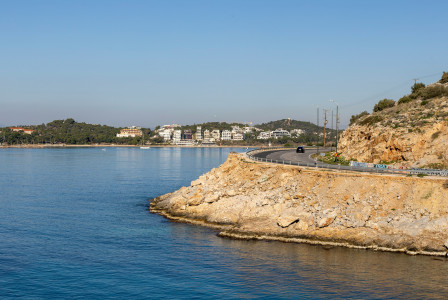
The year 2025 marked a pivotal moment in the European tourism sector’s transition toward a more sustainable, resilient, and innovative future. Across the Tourism Transition Pathway Platform, monthly articles captured how destinations, businesses, and policymakers worked together to accelerate the green and digital transformation of tourism. From decarbonising urban mobility and advancing sustainable transport solutions, to reshaping niche markets such as adventure tourism, coastal and maritime tourism, and cultural tourism, each publication highlighted the evolving strategies shaping Europe’s tourism landscape.
This annual summary brings together all articles published throughout 2025, distilling the key messages, emerging trends, and practical innovations that are driving the tourism ecosystem forward. Together, they illustrate not only the challenges ahead, but also the collective ambition and creativity defining Europe’s path toward a greener, more competitive, and more inclusive tourism economy.
Topics
Albania
Armenia
Austria
Belgium
Bosnia and Herzegovina
Bulgaria
Croatia
Cyprus
Czechia
Denmark
Estonia
EU-27
Finland
France
Georgia
Germany
Greece
Hungary
Iceland
Ireland
Italy
Kosovo
Latvia
Liechtenstein
Lithuania
Luxembourg
Malta
Moldova
Montenegro
Netherlands
North Macedonia
Norway
Poland
Portugal
Romania
Serbia
Slovakia
Slovenia
Spain
Sweden
Switzerland
Türkiye
Ukraine
Other
Academic / Research and VET Institutions
Business Support Organisation
Company with 250 or more employees
Cluster Organisations
Consumer Organisations
Cultural and Heritage Organisations
Destination Management & Marketing Organisations
EU Institutions
Financial Institutions and Investors
Industry Associations and Chambers of Commerce
International Organisations
Local Authorities
Media / Journalist Organisations
National authorities
Networks and Federations / Confederations
NGOs / Non-profits
Notified Bodies
Regional Authorities
SMEs (a company with less than 250 employees)
Social Economy Entity
Trade Unions
Other
-
Specific types of tourism
-
-
Adventure tourism
-
Coastal, maritime and inland water tourism
-
Cultural tourism
-
Ecotourism
-
Education tourism
-
Festival tourism
-
Gastronomy tourism
-
Health and medical tourism
-
MICE tourism
-
Mountain tourism
-
Religious tourism
-
Rural tourism
-
Sports tourism
-
Urban/city tourism
-
Wellness tourism
-
-
Transition Pathway Strategic Areas
-
-
Accessible tourism services
-
Best practices, peer learning and networking
-
Changes in tourism demand and opportunities
-
Circularity of tourism services
-
Coordinated information on travelling
-
Cross-border travelling
-
Digitalisation of tourism SMEs and destinations
-
Equal and fair tourism jobs
-
Funding and support measures
-
Governance of tourism destinations
-
Green Transition of Tourism Companies and SMEs
-
Improving formal education
-
Improving statistics and indicators
-
Innovative tourism services
-
Multimodal travelling
-
Online visibility of tourism offer
-
Pact for skills
-
Promoting PEF/OEF methods for tourism
-
R&I on climate-friendly tourism
-
R&I on digital tools for tourism
-
Short-term rentals
-
Skills needs for twin transition
-
Sustainable mobility
-
Tools for data on tourism
-
Tourism strategies
-
Training opportunities
-
Well-being of residents
-
-
Business activities
-
-
Activities of amusement parks and theme parks
-
Activities of associations and other organisations supporting tourism
-
Air passenger transport
-
Camping grounds, recreational vehicle parks and trailer parks
-
Events catering and other food services
-
Festivals, cultural and entertainment activities
-
Gardens and nature reserves activities
-
Holiday Housing / Apartments and other short stay accommodation
-
Hotel and similar accommodation
-
Mobile beverage services
-
Mobile food services
-
Museums
-
Operation of historical sites
-
Other
-
Other accommodation
-
Other amusement and recreation activities
-
Other food and beverage services
-
Other holiday reservation services
-
Other tourism transportation activities
-
Rail Passenger transport
-
Recreational and sport activities
-
Restaurants, cafes and bars (Food and Beverage serving activities)
-
Road passenger transport
-
Tour operator activities
-
Travel agency activities
-
Water (sea, coastal and inland) passenger transport
-
Share
January: Greening Europe’s Urban Mobility
The article explores how European cities are addressing tourism‑driven emissions and congestion by accelerating the transition toward sustainable urban mobility. It highlights the mounting pressure that tourist flows place on public transport systems, contributing to pollution and declining quality of life for residents. In response, the EU’s policy frameworks—particularly the European Green Deal and the Sustainable and Smart Mobility Strategy—guide cities toward decarbonisation through electrified public transport, micro‑mobility options such as bike‑ and scooter‑sharing, and integrated digital solutions like MaaS platforms. Backed by EU funding programmes including Horizon Europe and the Cohesion Fund, cities are modernising infrastructure to deliver cleaner, quieter, and more efficient mobility for both locals and visitors. The article underscores the long‑term benefits of sustainable mobility—from improved air quality and reduced health risks to enhanced visitor experiences and stronger tourism branding—while emphasising the need for collaboration between governments, businesses, and communities. Supported by insights from the CEE Smart Cities Mobility Index, it positions urban mobility reform as essential for achieving climate goals and ensuring attractive, liveable destinations across Europe.
Read the article here.
February: EU Tourism in 2024. Key Updates and Emerging Trends
The article provides a comprehensive overview of the regulatory, digital, and sustainability shifts that shaped EU tourism in 2024 and continue to influence the sector in 2025. It highlights how the European Green Deal drove stricter emissions reporting for airlines and cruise operators, tougher eco‑certification standards for accommodations, and the rollout of a harmonised short‑term rental framework to boost transparency and fair competition. Key legislative updates strengthened consumer rights, enhanced data protection, and simplified VAT rules for cross‑border tourism businesses, while new accessibility requirements advanced inclusivity. Digitalisation accelerated through tourism data spaces, evolving AI regulation, and major border‑management innovations, including the upcoming European Travel Information and Authorisation System (ETIAS) and Entry/Exit System (EES). The article underscores the dual challenge and opportunity for SMEs adapting to new standards, supported by EU funding for green and digital transitions. With rising concerns over tourism imbalances and overtourism, data‑driven governance and smarter destination management emerged as core priorities for 2025. Ultimately, the article portrays a sector undergoing profound transformation toward greater sustainability, transparency, and resilience—benefiting travellers, businesses, and local communities alike.
Read the article here.
March: Rethinking Rentals. How the EU Is Addressing Data Gaps in Tourism
The article examines how the EU is reforming the short‑term rental (STR) sector to address long‑standing data gaps and strengthen the balance between tourism growth and housing affordability. Central to this shift is Regulation (EU) 2024/1028, effective from May 2026, which introduces mandatory, standardised data‑sharing by platforms like Airbnb, Booking.com, and Vrbo, along with a simplified digital registration system requiring hosts to obtain and display unique identification numbers. These measures aim to increase transparency, improve enforcement of housing and zoning rules, and ensure compliance with GDPR. The article highlights the challenges caused by previous regulatory fragmentation and showcases the potential of emerging digital tools—such as blockchain for tamper‑proof registries, AI for detecting illegal listings, and data‑driven analytics for market monitoring—to support more effective governance. Examples like Croatia’s eVisitor system illustrate how digital solutions can strengthen oversight. Overall, the EU’s evolving framework signals a move toward more structured, responsible, and data‑driven management of STRs, supporting both sustainable tourism development and housing stability across Europe.
Read the article here.
April: Change Drivers. Stakeholders, Competence, and Decision‑Making in Destination Governance
The article examines how destination governance is evolving from traditional marketing roles into a complex system of strategic management focused on sustainability, community wellbeing, and long‑term resilience. As Europe remains the world’s most visited region, destinations face mounting pressures from overtourism, fragmented decision‑making, and underrepresentation of local communities. The article emphasises that effective governance requires clear mandates, cross‑sector collaboration, and strong political leadership. It highlights how cities like Amsterdam and Barcelona, as well as national models in Finland and Austria, are redefining governance structures by empowering local authorities, improving coordination across sectors, and embedding participatory processes into policy development. The piece also stresses the importance of competence—ensuring that responsibilities for zoning, mobility, housing, and platform regulation are clearly assigned—and showcases emerging tools such as citizen assemblies and digital consultation platforms to strengthen public involvement. Looking ahead, the shift toward regenerative governance aligns tourism policy with broader urban and social agendas, integrating climate adaptation, cultural heritage, and inclusive development. The article concludes that destinations can remain resilient and liveable only through long‑term vision, shared responsibility, and governance systems that treat tourism as an integral part of the places people inhabit—not merely a product to be consumed.
Read the article here.
May: Unbalanced Tourism Growth in Europe. Pressures, Impacts, and Sustainable Pathways
The article explores the re‑emergence of unbalanced tourism growth across Europe as travel rebounds post‑COVID, particularly in destinations where governance and infrastructure cannot keep pace with rising visitor demand. Drawing on findings from two major EU studies, it explains that overtourism is a complex, context‑specific phenomenon shaped by decades of volume‑driven tourism development, weak regulation, and governance gaps. The article details the environmental, social, and economic impacts of tourism pressures—from overcrowding, housing shortages, and ecosystem degradation to declining resident wellbeing and diminished visitor experience. It highlights the EU’s new indicator framework and early‑warning systems designed to help destinations detect and monitor pressures at a granular level using both quantitative and qualitative data. A broad set of solutions is presented, including dispersing tourism geographically and seasonally, prioritising quality over quantity, implementing regulatory tools such as visitor caps and congestion management, and strengthening participatory governance with residents and local businesses. Finally, the article positions sustainable, evidence‑based tourism governance as essential for Europe’s long‑term competitiveness, resilience, and alignment with broader policy goals such as climate neutrality and cultural heritage protection.
Read the article here.
June: One Ticket to Travel Them All. Multimodal Solutions in European Tourism
The article explores how multimodal ticketing and integrated mobility solutions are becoming essential to Europe’s sustainable and user‑centric tourism future. It highlights that true transformation lies not in new infrastructure, but in digital integration—interoperability, data‑sharing, and cooperation across transport operators and borders. While EU initiatives such as MMTIS, CEF, TEN‑T, and Finland’s pioneering data‑sharing laws have laid the groundwork, progress remains hindered by fragmentation, limited access to transport content, competing commercial interests, and a lack of standardised systems. Successful examples—like Nordic Mobility‑as‑a‑Service platforms—show how unified planning, booking, and payment systems can expand accessibility, support tourism dispersal, and improve inclusivity for diverse travellers. The article emphasises that multimodal ticketing benefits destinations by reducing pressure on hotspots, improving the visitor experience, and enabling more equitable mobility, but it also requires governance reforms, aligned incentives, and active involvement from tourism actors. Ultimately, multimodal integration is presented as a high‑impact, low‑infrastructure pathway to achieving Europe’s green and digital transition goals—provided stakeholders commit to collaboration, openness, and user‑driven design.
Read the article here.
July: The Unseen Barriers to Seamless Cross‑Border Travel in the EU
The article examines the hidden administrative, procedural, and perceptual barriers that continue to undermine seamless cross‑border travel within the EU, despite the strengths of the Schengen framework and decades of mobility integration. It highlights how inconsistencies in border procedures, visa processes, wait times, technology deployment, and temporary internal border controls create a patchwork traveller experience that can erode confidence, deter long‑haul visitors, and weaken Europe’s global competitiveness. Beyond border checks, true “seamlessness” requires harmonised infrastructure, interoperable digital systems, predictable visa and biometric procedures, and clear communication across Member States—components that currently remain unevenly implemented. The article stresses that administrative friction, not infrastructure alone, poses the greatest challenge, with impacts felt across tourism flows, supply chains, and traveller perceptions. Examples like the Spanish Royal Decree on data reporting illustrate how unilateral national actions can undermine EU‑wide coherence. To unlock the full potential of free movement, the article calls for deeper coordination among EU institutions, national governments, tourism actors, and border authorities, alongside user‑centred design in upcoming systems such as ETIAS and EES. Ultimately, ensuring consistency, predictability, and clarity across borders is presented as essential for maintaining the EU’s position as a connected, competitive, and visitor‑friendly destination.
Read the article here.
August: Valencia. European Capital of Smart Tourism 2024
The article showcases Valencia as a leading example of smart, sustainable, and community‑centred tourism, following its recognition as the European Capital of Smart Tourism 2024 and European Green Capital. Faced with strong seasonal demand and growing visitor numbers, the city has implemented a comprehensive governance model that prioritises resident wellbeing, environmental resilience, and long‑term planning. Valencia’s approach combines strict regulatory measures—such as robust controls on tourist rentals and coordinated cruise‑ship scheduling—with significant investments in sustainable mobility, including an extensive cycling network, low‑emission public transport, and real‑time traffic management. Data‑driven tools enable the city to monitor crowding, environmental impacts, and visitor flows, helping to reduce emissions and redistribute tourism beyond saturated areas. Summer management strategies focus on protecting beaches and natural areas, decentralising cultural activities, and transforming port spaces into multifunctional public zones. Integrated into wider EU climate and smart‑city initiatives, Valencia’s model demonstrates how cities can balance tourism growth with quality of life, offering a replicable blueprint for other destinations facing high‑season pressures. Its success lies not in eliminating challenges, but in adopting anticipatory planning, transparent monitoring, and participatory governance to create a tourism system that works sustainably for both residents and visitors.
Read the article here.
September: From Sustainability to Regeneration. Rethinking Destination Management in Europe
The September article explores Europe’s accelerating shift from traditional sustainability toward regenerative tourism, a model that not only minimises harm but actively restores ecosystems, strengthens local communities, and generates long‑term shared value. It explains how climate impacts, overtourism pressures, and community concerns have revealed the limits of conventional sustainability approaches, prompting destinations to adopt regenerative principles rooted in systems thinking, Indigenous stewardship, and circular practices. Supported by EU initiatives—including the Transition Pathway for Tourism, Sustainable EU Tourism frameworks, and SME-focused programmes like Cross‑Re‑Tour—the regenerative agenda is increasingly embedded in governance, funding, and strategic planning. The article highlights practical examples across Europe, from Amsterdam’s application of Doughnut Economics to Slovenia Green, Ireland’s Just Transition regions, biosphere reserve models, and SME enablers that promote low‑impact, community-led tourism. It also points to the need for new indicators that reflect ecosystem health, cultural vitality, resident wellbeing, and fair value distribution, supported by emerging tourism data spaces and observatories. While challenges remain—such as volume-driven market incentives and limited capacity in smaller destinations—the article positions regeneration as essential for resilience, competitiveness, and safeguarding Europe’s cultural and natural capital. Ultimately, regenerative tourism is framed not just as a strategy but a mindset shift, inviting all actors to become stewards who leave destinations better than they found them.
Read the article here.
October: Smart Use of AI in European Tourism. Empowering SMEs and Destinations
The article examines how artificial intelligence is being integrated into European tourism in a human‑centric, values‑driven way that strengthens destinations, supports SMEs, and enhances visitor experiences. Rather than replacing the human essence of tourism, AI is presented as a practical tool for smarter governance, improved sustainability, and more efficient service delivery. Guided by EU principles of transparency, inclusiveness, and accountability, AI adoption is supported through frameworks such as the Digital Europe Programme, the Transition Pathway for Tourism, and the emerging Tourism Data Space. Destinations like Valencia and pilot communities within the D3Hub project are already using AI to forecast demand, monitor environmental impact, and improve decision‑making. For SMEs, AI offers tangible benefits through translation tools, chatbots, content generation, and demand forecasting—supported by EU initiatives like Tourbit and Digital Innovation Hubs that lower barriers to entry. The article also addresses challenges such as digital skill gaps, cost, ethical concerns, and the need for robust data governance. Looking ahead, it calls for practical, responsible AI implementation based on shared standards, open tools, and human oversight, ensuring that technological progress reinforces Europe’s people‑centred tourism model. Ultimately, AI is framed not as a disruptor, but as a digital ally that can help destinations become more resilient, competitive, and sustainable—provided its deployment remains grounded in real needs and public value.
Read the article here.
November: Skills Awareness. The Hidden Engine of Tourism Transformation
The article argues that Europe’s tourism transition relies not only on new training programmes but on raising awareness of existing opportunities and future skill needs—especially among SMEs and the 22 million tourism workers who often lack time, resources, or visibility into emerging competence demands. It highlights that awareness forms the critical bridge between EU policy, education systems, and business innovation, ensuring that sustainability, digitalisation, and inclusiveness translate into daily practice. EU initiatives such as the Pact for Skills, the European Skills Agenda, the Next Tourism Generation Alliance, and the Transition Pathway for Tourism embed learning directly into governance and destination management, while tools like ESCO, Europass, Tourbit, DIGITOUR, and local skills hubs help SMEs recognise gaps and access support. Case studies from Slovenia, Finland, and Portugal show how awareness—when integrated into certification schemes, reflection exercises, or national campaigns—drives measurable improvements and strengthens strategic planning. The article underscores remaining challenges, including fragmented communication, uneven access to training, and limited digital literacy, but emphasises that emerging solutions such as micro‑credentials, regional partnerships, and Erasmus+ mobility are beginning to address them. Ultimately, Europe’s competitive advantage lies not in technology alone but in an informed, empowered workforce that understands what to learn, why it matters, and how it contributes to a resilient, innovative, and sustainable tourism ecosystem.
Read the article here.
December: Decarbonising Tourism. Navigating Climate Goals and Global Competitiveness
The article provides a comprehensive examination of the urgent need to decarbonise Europe’s tourism sector while safeguarding its economic strength and global competitiveness. It highlights tourism’s substantial climate footprint—responsible for an estimated 7.3% of global greenhouse gas emissions in 2024—and illustrates how climate impacts such as heatwaves, droughts, floods and shortened snow seasons are directly affecting destinations and causing billions in economic losses. Despite modest efficiency gains, the sector remains highly carbon‑intensive, driven largely by transport, and emissions continue to rise as tourism rebounds. The article explains how EU policies—including the European Green Deal, the Clean Industrial Deal and major investments in sustainable mobility such as the Sustainable Transport Investment Plan and the new High‑Speed Rail initiative—are reshaping aviation, maritime transport and local mobility systems to reduce emissions while retaining competitiveness. It also explores emerging tools such as the voluntary Flight Emissions Label and advanced carbon-measurement technologies like AI, satellite monitoring and blockchain that improve climate transparency and build trust.
Read the article here.
Comments (0)
Connected Partnership Opportunities
See also
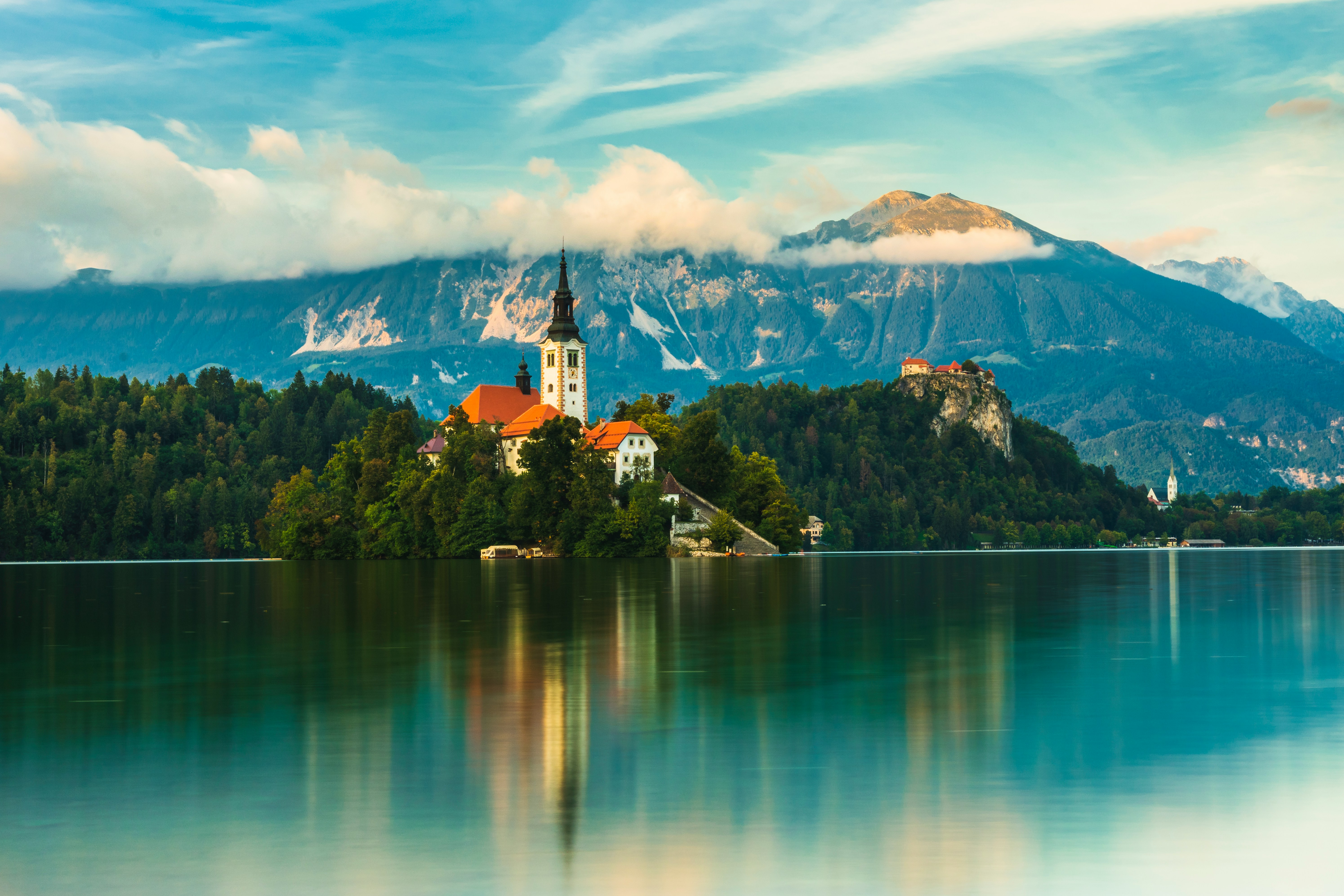
People of the Platform: putting skills, resilience and inclusion at the heart of tourism’s next chapter
- Categories
- Coastal, maritime and inland water tourism Cultural tourism Ecotourism +64 more
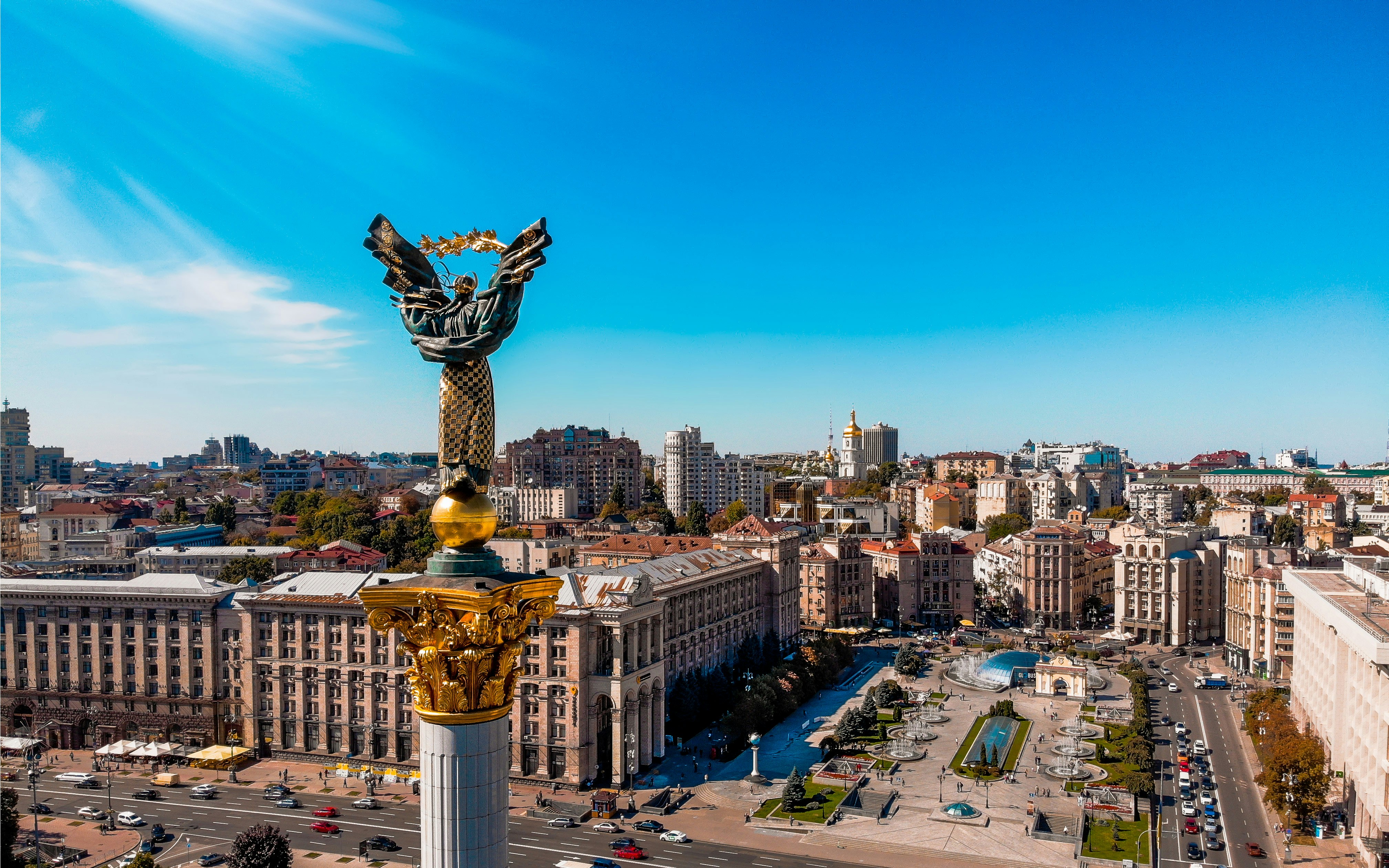
Destination Europe & Ukraine: Closing Messages
- Categories
- Coastal, maritime and inland water tourism Cultural tourism Ecotourism +64 more

Getting Started: Exploring the EU Tourism Platform's Home Page and Navigation
- Categories
- Coastal, maritime and inland water tourism Cultural tourism Ecotourism +64 more