

Articles
11 February 2026
European Tourism Day—shaping the tourism of tomorrow
Articles
11 February 2026
Login / create an account to be able to react
-
356
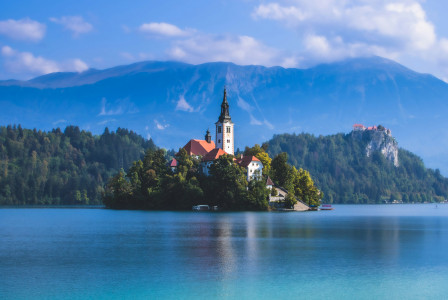
On 26 January 2026, the European Commission welcomed representatives from across the tourism sector to Brussels for European Tourism Day (ETD) a key annual event that brings together institutions, industry, and destinations to reflect on Europe’s tourism landscape and consider how to prepare for the future. This year’s edition played a particularly important role, serving as a platform to take stock of recent EU tourism policy developments and to set the scene for the forthcoming EU Strategy for Sustainable Tourism, which will guide Europe’s transition toward a greener and more competitive tourism model.
European Commission
Topics
Albania
Armenia
Austria
Belgium
Bosnia and Herzegovina
Bulgaria
Croatia
Cyprus
Czechia
Denmark
Estonia
EU-27
Finland
France
Georgia
Germany
Greece
Hungary
Iceland
Ireland
Italy
Kosovo
Latvia
Liechtenstein
Lithuania
Luxembourg
Malta
Moldova
Montenegro
Netherlands
North Macedonia
Norway
Poland
Portugal
Romania
Serbia
Slovakia
Slovenia
Spain
Sweden
Switzerland
Türkiye
Ukraine
Other
Academic / Research and VET Institutions
Business Support Organisation
Company with 250 or more employees
Cluster Organisations
Consumer Organisations
Cultural and Heritage Organisations
Destination Management & Marketing Organisations
EU Institutions
Financial Institutions and Investors
Industry Associations and Chambers of Commerce
International Organisations
Local Authorities
Media / Journalist Organisations
National authorities
Networks and Federations / Confederations
NGOs / Non-profits
Notified Bodies
Regional Authorities
SMEs (a company with less than 250 employees)
Social Economy Entity
Trade Unions
Other
-
Specific types of tourism
-
-
Adventure tourism
-
Coastal, maritime and inland water tourism
-
Cultural tourism
-
Ecotourism
-
Education tourism
-
Festival tourism
-
Gastronomy tourism
-
Health and medical tourism
-
MICE tourism
-
Mountain tourism
-
Religious tourism
-
Rural tourism
-
Sports tourism
-
Urban/city tourism
-
Wellness tourism
-
-
Transition Pathway Strategic Areas
-
-
Accessible tourism services
-
Best practices, peer learning and networking
-
Changes in tourism demand and opportunities
-
Circularity of tourism services
-
Coordinated information on travelling
-
Cross-border travelling
-
Digitalisation of tourism SMEs and destinations
-
Equal and fair tourism jobs
-
Funding and support measures
-
Governance of tourism destinations
-
Green Transition of Tourism Companies and SMEs
-
Improving formal education
-
Improving statistics and indicators
-
Innovative tourism services
-
Multimodal travelling
-
Online visibility of tourism offer
-
Pact for skills
-
Promoting PEF/OEF methods for tourism
-
R&I on climate-friendly tourism
-
R&I on digital tools for tourism
-
Short-term rentals
-
Skills needs for twin transition
-
Sustainable mobility
-
Tools for data on tourism
-
Tourism strategies
-
Training opportunities
-
Well-being of residents
-
-
Business activities
-
-
Activities of amusement parks and theme parks
-
Activities of associations and other organisations supporting tourism
-
Air passenger transport
-
Camping grounds, recreational vehicle parks and trailer parks
-
Events catering and other food services
-
Festivals, cultural and entertainment activities
-
Gardens and nature reserves activities
-
Holiday Housing / Apartments and other short stay accommodation
-
Hotel and similar accommodation
-
Mobile beverage services
-
Mobile food services
-
Museums
-
Operation of historical sites
-
Other
-
Other accommodation
-
Other amusement and recreation activities
-
Other food and beverage services
-
Other holiday reservation services
-
Other tourism transportation activities
-
Rail Passenger transport
-
Recreational and sport activities
-
Restaurants, cafes and bars (Food and Beverage serving activities)
-
Road passenger transport
-
Tour operator activities
-
Travel agency activities
-
Water (sea, coastal and inland) passenger transport
-
Share
The event gathered a wide range of stakeholders, including CEOs, policymakers, city representatives, investors, and innovators—illustrating the breadth and complexity of the tourism ecosystem. Their presence underscored tourism’s importance not only as a source of economic activity but also as a strategic sector supporting regional development, cultural exchange, and Europe’s global competitiveness. Discussions throughout the day reflected both the sector’s current dynamism and the shared commitment to ensuring that its growth remains sustainable and resilient.
From the opening session, it was clear that European tourism is experiencing renewed strength. New figures presented at the event showed a 7% rise in overnight stays and 43% overall sector growth, confirming tourism’s continued recovery and reinforcing its significance for Europe’s economy. These developments come at a moment when the EU is preparing to introduce a new strategic framework, and they highlight the importance of building momentum while addressing the sector’s structural challenges. The upcoming Strategy will emphasise competitiveness and sustainability, with a focus on modern infrastructure, a skilled workforce, and the effective use of data and AI to support informed policy and business decisions.
A central theme of the event was the rapid digital transformation of tourism. AI is increasingly influencing how travellers search for inspiration, plan their journeys, and interact with services, and industry leaders highlighted its capacity to support more personalised and efficient customer experiences. At the same time, participants stressed that AI is only as effective as the data behind it—making investment in digitalisation and high‑quality, interoperable data essential if Europe is to harness the full potential of these technologies.
Mobility and accessibility were also prominent topics, reflecting the need for a more seamless and sustainable transport system across the continent. Speakers noted the importance of multimodal travel options, integrated booking systems, and modern transport infrastructure, all of which will play a crucial role in reducing environmental impact and improving the overall visitor experience. These priorities align with upcoming EU initiatives on passenger rights and multimodal ticketing expected later in 2026.
Beyond digital and mobility considerations, the event also explored deeper questions regarding tourism’s identity and its role within European societies. More destinations are adopting long‑term, mission‑driven approaches, including regenerative tourism models that focus not only on minimising negative impact but also on creating positive outcomes for communities, heritage, and the environment. This approach invites both policymakers and industry actors to rethink traditional growth measures and put greater emphasis on cultural resilience, regional balance, and meaningful engagement with local communities.
As European Tourism Day 2026 concluded, one message resonated clearly: the sector stands at an important turning point. Its strong performance provides a solid foundation, but its future success depends on coordinated action, continued innovation, and responsible governance. The discussions in Brussels marked the beginning of an important year for European tourism, with the forthcoming Strategy expected to serve as a catalyst for long‑term transformation. By bringing together Europe’s tourism community at this crucial moment, ETD helped create a shared understanding of the challenges ahead and the opportunities to shape a tourism model that is both competitive and sustainable.
For those who were unable to attend—or who wish to revisit the debates and keynote interventions — the full event recording is available here.
Comments (0)
Related content

Connected Partnership Opportunities
See also
People of the Platform: putting skills, resilience and inclusion at the heart of tourism’s next chapter
- Categories
- Coastal, maritime and inland water tourism Cultural tourism Ecotourism +64 more
Tourism Reimagined: AI, VR and Neurotourism for a Resilient Future
- Categories
- Coastal, maritime and inland water tourism Cultural tourism Ecotourism +64 more
Destination Europe & Ukraine: Closing Messages
- Categories
- Coastal, maritime and inland water tourism Cultural tourism Ecotourism +64 more