

Articles
07 April 2026
Green Transition: the Economic Strategy for Tourism
Articles
07 April 2026
Login / create an account to be able to react
-
<a href="/user/login?destination=/tourism/articles/green-transition-economic-strategy-tourism%23comment-form">Log in</a> or <a href="/user/register?destination=/tourism/articles/green-transition-economic-strategy-tourism%23comment-form">register</a> to post comments
-
237
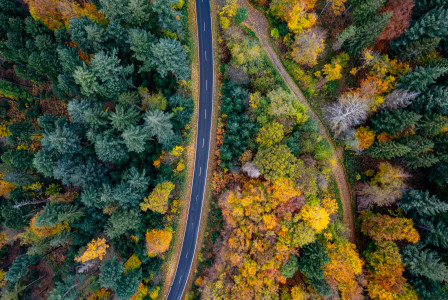
European tourism is growing again. Visitor numbers have rebounded, spending is rising, and the sector remains a vital engine of employment and regional develoment across the EU. But alongside the recovery, pressure points are intensifying: iconic destinations buckle under overcrowding, climate shocks disrupt peak seasons with increasing regularity, and energy prices have injected new volatility into operating budgets.
Against this backdrop, the green transition is not merely an environmental aspiration — it is an economic strategy. It improves tourism economics along four reinforcing dimensions: cost reduction, risk management, product upgrading, and destination competitiveness. Businesses and destinations that move early on these fronts will be structurally better positioned — more profitable in normal years and more resilient when disruptions hit.
Topics
Albania
Armenia
Austria
Belgium
Bosnia and Herzegovina
Bulgaria
Croatia
Cyprus
Czechia
Denmark
Estonia
EU-27
Finland
France
Georgia
Germany
Greece
Hungary
Iceland
Ireland
Italy
Kosovo
Latvia
Liechtenstein
Lithuania
Luxembourg
Malta
Moldova
Montenegro
Netherlands
North Macedonia
Norway
Poland
Portugal
Romania
Serbia
Slovakia
Slovenia
Spain
Sweden
Switzerland
Türkiye
Ukraine
Other
Academic / Research and VET Institutions
Business Support Organisation
Company with 250 or more employees
Cluster Organisations
Consumer Organisations
Cultural and Heritage Organisations
Destination Management & Marketing Organisations
EU Institutions
Financial Institutions and Investors
Industry Associations and Chambers of Commerce
International Organisations
Local Authorities
Media / Journalist Organisations
National authorities
Networks and Federations / Confederations
NGOs / Non-profits
Notified Bodies
Regional Authorities
SMEs (a company with less than 250 employees)
Social Economy Entity
Trade Unions
Other
-
Specific types of tourism
-
-
Adventure tourism
-
Coastal, maritime and inland water tourism
-
Cultural tourism
-
Ecotourism
-
Education tourism
-
Festival tourism
-
Gastronomy tourism
-
Health and medical tourism
-
MICE tourism
-
Mountain tourism
-
Religious tourism
-
Rural tourism
-
Sports tourism
-
Urban/city tourism
-
Wellness tourism
-
-
Transition Pathway Strategic Areas
-
-
Accessible tourism services
-
Best practices, peer learning and networking
-
Changes in tourism demand and opportunities
-
Circularity of tourism services
-
Coordinated information on travelling
-
Cross-border travelling
-
Digitalisation of tourism SMEs and destinations
-
Equal and fair tourism jobs
-
Funding and support measures
-
Governance of tourism destinations
-
Green Transition of Tourism Companies and SMEs
-
Improving formal education
-
Improving statistics and indicators
-
Innovative tourism services
-
Multimodal travelling
-
Online visibility of tourism offer
-
Pact for skills
-
Promoting PEF/OEF methods for tourism
-
R&I on climate-friendly tourism
-
R&I on digital tools for tourism
-
Short-term rentals
-
Skills needs for twin transition
-
Sustainable mobility
-
Tools for data on tourism
-
Tourism strategies
-
Training opportunities
-
Well-being of residents
-
-
Business activities
-
-
Activities of amusement parks and theme parks
-
Activities of associations and other organisations supporting tourism
-
Air passenger transport
-
Camping grounds, recreational vehicle parks and trailer parks
-
Events catering and other food services
-
Festivals, cultural and entertainment activities
-
Gardens and nature reserves activities
-
Holiday Housing / Apartments and other short stay accommodation
-
Hotel and similar accommodation
-
Mobile beverage services
-
Mobile food services
-
Museums
-
Operation of historical sites
-
Other
-
Other accommodation
-
Other amusement and recreation activities
-
Other food and beverage services
-
Other holiday reservation services
-
Other tourism transportation activities
-
Rail Passenger transport
-
Recreational and sport activities
-
Restaurants, cafes and bars (Food and Beverage serving activities)
-
Road passenger transport
-
Tour operator activities
-
Travel agency activities
-
Water (sea, coastal and inland) passenger transport
-
Share
Lower Operating Costs: Energy, Water, Waste = Immediate Margin Gains
For hotels, attractions, and hospitality SMEs, energy, water, and waste represent some of the largest controllable cost lines. Energy efficiency retrofits — upgraded HVAC systems, better insulation, smart lighting and climate controls — translate directly into lower utility bills and, just as importantly, more predictable costs in an era of price swings. In drought-prone Mediterranean and island destinations, water-efficiency measures reduce expenses while safeguarding operational continuity during increasingly frequent restrictions. Circular practices — food-waste reduction, material reuse, and local sourcing — cut both procurement and disposal costs simultaneously.
The practical entry point for the many SMEs that dominate European tourism is staged investment: what might be called "payback logic." Low-cost upgrades come first — LED lighting, smart thermostats, water-saving fixtures — generating immediate savings that fund deeper retrofits later. Each step finances the next, making the transition self-reinforcing rather than capital-intensive from day one.
Risk Reduction: Climate Resilience as Revenue Protection
Extreme heat waves, wildfires, flooding, and coastal erosion are no longer outlier events. They are recurring operational risks that trigger cancellations, shorten average stays, inflate insurance premiums, and impose costly post-event repairs. Left unmanaged, these climate impacts erode margins year after year.
Green transition measures act as direct risk hedges. Passive cooling and shading strategies reduce dependence on energy-hungry air conditioning while maintaining guest comfort. Greener urban design around tourism zones — expanded tree canopy, permeable surfaces, natural drainage — lowers heat-island and flood risk. Diversifying into year-round products reduces dangerous reliance on a single summer peak, spreading revenue more evenly across the calendar.
Why resilience pays is straightforward: less revenue volatility and fewer "lost weeks" during disruptions. A destination or business that can keep operating — or recover quickly — while competitors cannot holds a tangible competitive advantage.
Demand and Brand Premium: Selling "Better Tourism," Not Just "More Tourism"
A growing segment of travellers actively prefers authentic, low-impact, locally rooted experiences — and demonstrates a willingness to choose destinations that offer them. This is not a niche. It is an expanding mainstream preference that reshapes booking decisions across age groups and markets.
Product upgrading follows naturally: eco-certified accommodation, low-carbon itineraries, nature-positive excursions, and genuine cultural encounters are enhancements, not sacrifices. They allow businesses to compete on quality and distinctiveness rather than price alone.
The reputation economics are equally powerful. Destinations perceived as overcrowded or polluted lose repeat visitors and higher-value market segments over time. Conversely, sustainability strengthens a destination's brand, lifts visitor satisfaction scores, and supports premium positioning. In a continent where every city and coastline competes for attention, perceived quality of place is a decisive differentiator.
Mobility Shift: Economic Upside of Rail-First and Low-Carbon Transport
Rail-first travel packages encourage longer stays and higher local spending, replacing "hit-and-run" tourism with slower, deeper engagement. At the destination level, last-mile mobility solutions — walkable centres, cycling infrastructure, and electric micro-mobility — disperse visitor spending across neighbourhoods rather than concentrating it in a single overcrowded core.
Destination Economics: Managing Overtourism Improves the Bottom Line
Overcrowding degrades experience quality, compresses spending per visitor, and fuels resident backlash — ultimately threatening the sector's social licence to operate. The economic logic is clear: more visitors does not always mean more value.
Green transition tools directly improve these economics. Timed-entry systems and visitor caps at peak sites manage flow without shutting destinations down. Spread-to-shoulder-season strategies extend the revenue calendar. Dynamic pricing and reservation systems shift demand patterns toward higher yield and less physical strain on infrastructure.
The governing principle is "value over volume": fewer but higher-spending visitors can reduce infrastructure and service costs per euro earned while preserving — or even enhancing — the visitor experience. Community wellbeing functions as an economic asset in its own right; a welcoming, thriving local population is part of the product, and protecting it secures the destination's long-term licence to operate.
Investment, Jobs, and Local Multipliers: Keeping Tourism Money in the Region
The green transition generates tangible local economic returns. The retrofit wave — upgrading buildings, installing renewable energy systems, improving water and waste infrastructure — creates construction, energy-services, and maintenance jobs that are hard to offshore and rooted in the communities where tourism operates.
Strengthening local supply chains — regional food producers, artisan crafts, locally designed experiences — increases the capture rate of every visitor euro, keeping more money circulating in the regional economy. At the same time, new skills are in demand: green facility management, sustainable experience design, and carbon accounting for tourism SMEs all represent growing professional niches that add long-term human capital.
EU support signals reinforce this trajectory. Funding programmes and competitive calls are increasingly oriented toward improving sustainable competitiveness in tourism SMEs, turning green ambition into investable, bankable opportunity for businesses and regions willing to lead.
Comments (0)
Connected Partnership Opportunities
See also
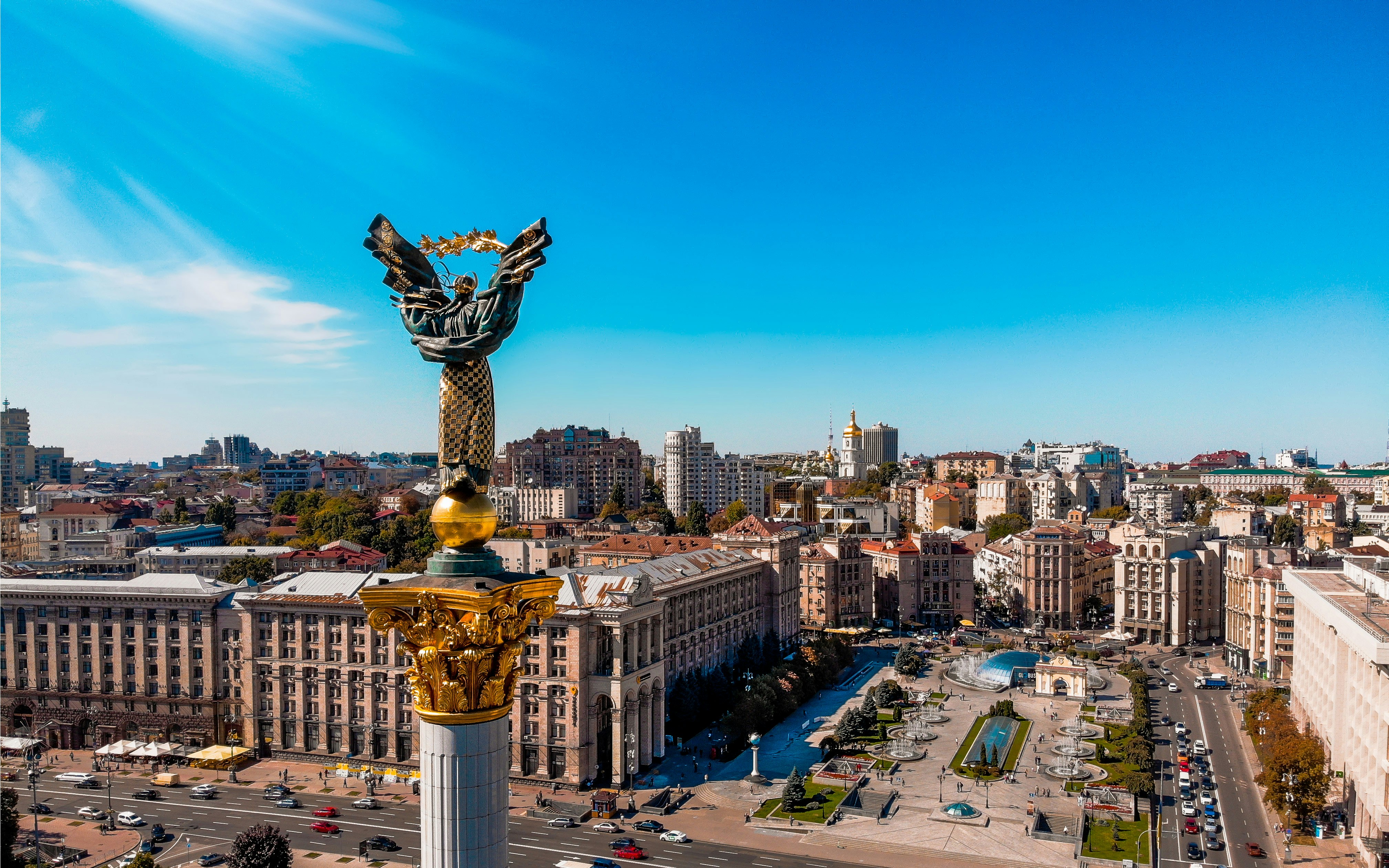
Destination Europe & Ukraine: Closing Messages
- Categories
- Coastal, maritime and inland water tourism Cultural tourism Ecotourism +64 more
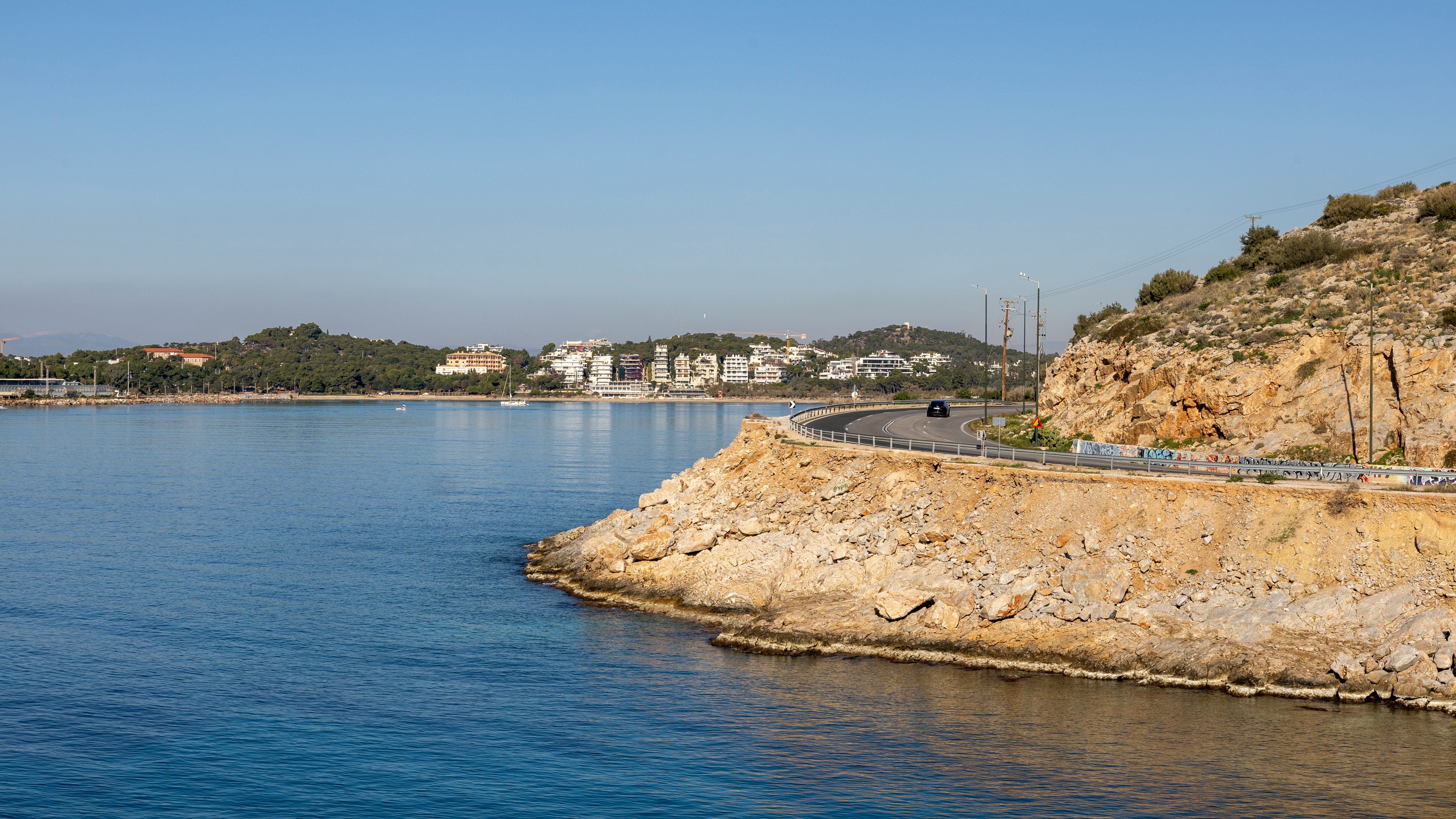
A Year of Transformation: Key Insights from the EU Tourism Transition Pathway in 2025
- Categories
- Coastal, maritime and inland water tourism Cultural tourism Ecotourism +64 more

Getting Started: Exploring the EU Tourism Platform's Home Page and Navigation
- Categories
- Coastal, maritime and inland water tourism Cultural tourism Ecotourism +64 more