

Articles
05 May 2026
How Destinations and Businesses Can Lead the Transition to Climate-Neutral Travel
Articles
05 May 2026
Login / create an account to be able to react
-
73
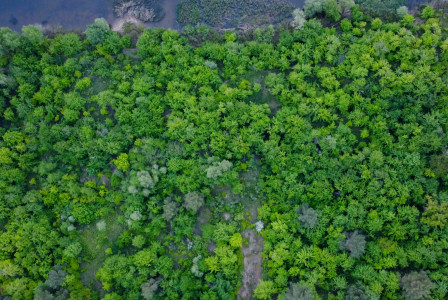
The tourism sector is at a turning point. As climate change intensifies and travellers increasingly seek low-carbon experiences, the industry faces both growing pressure and growing opportunity. Climate-smart tourism offers a practical, data-driven approach that helps businesses and destinations measure their emissions, reduce them systematically, and remain competitive in a rapidly changing market.
This is not just an environmental consideration - it is becoming a business one. Regulations are tightening, consumer expectations are shifting, and the destinations that adapt early will be best positioned for what comes next.
Topics
Albania
Armenia
Austria
Belgium
Bosnia and Herzegovina
Bulgaria
Croatia
Cyprus
Czechia
Denmark
Estonia
EU-27
Finland
France
Georgia
Germany
Greece
Hungary
Iceland
Ireland
Italy
Kosovo
Latvia
Liechtenstein
Lithuania
Luxembourg
Malta
Moldova
Montenegro
Netherlands
North Macedonia
Norway
Poland
Portugal
Romania
Serbia
Slovakia
Slovenia
Spain
Sweden
Switzerland
Türkiye
Ukraine
Other
Destination Management & Marketing Organisations
-
Specific types of tourism
-
-
Adventure tourism
-
Coastal, maritime and inland water tourism
-
Cultural tourism
-
Ecotourism
-
Education tourism
-
Festival tourism
-
Gastronomy tourism
-
Health and medical tourism
-
MICE tourism
-
Mountain tourism
-
Religious tourism
-
Rural tourism
-
Sports tourism
-
Urban/city tourism
-
Wellness tourism
-
-
Transition Pathway Strategic Areas
-
-
Best practices, peer learning and networking
-
Changes in tourism demand and opportunities
-
Circularity of tourism services
-
Governance of tourism destinations
-
Green Transition of Tourism Companies and SMEs
-
R&I on climate-friendly tourism
-
Tourism strategies
-
Well-being of residents
-
-
Business activities
-
-
Activities of associations and other organisations supporting tourism
-
Share
Why Tourism Must Adapt
From transport and accommodation to food services and activities, tourism contributes a substantial share of global greenhouse gas emissions. At the same time, the operating environment is changing quickly. The EU Green Claims Directive now requires businesses to back up environmental claims with evidence - vague eco-labels and generic green messaging no longer meet the standard. Traveller surveys consistently show growing demand for lower-carbon options, particularly among younger demographics. And the climate itself is shifting: shorter ski seasons, coastal erosion, and extreme heat waves are already affecting destinations across Europe.
The risks of inaction include loss of market share, reputational damage, regulatory non-compliance, and increased vulnerability to climate-related disruptions and rising energy costs.
What Climate-Smart Tourism Looks Like in Practice
It starts with measurement. Emissions are typically mapped across three scopes:
- Scope 1 covers direct emissions from company vehicles and on-site fuel use.
- Scope 2 covers purchased energy, including electricity and district heating or cooling.
- Scope 3 - often the largest category - covers value chain emissions from food supply, guest travel, waste, and purchased services. This is also where the greatest opportunities for reduction tend to lie.
Once a business understands where its emissions come from, it can set a baseline and take targeted action: improving energy efficiency, redesigning menus to favour local and lower-carbon ingredients, promoting sustainable transport for guests, reducing waste, or adopting green procurement policies.
This is already happening across Europe.
These examples show that reducing emissions does not always require large investments or untested technology. Often it starts with making better options visible, measurable, and rewarding.
Communicating these efforts credibly is equally important. Alignment with the EU Green Claims Directive and frameworks such as the EU Ecolabel ensures that sustainability messaging is honest, evidence-based, and free from greenwashing.
From Individual Action to Destination-Level Change
Individual business action matters, but systemic change happens at the destination level. Destination Management Organizations (DMOs) play a central role here - building shared carbon data systems, setting destination-wide targets, connecting businesses to tools and training, and integrating climate goals into broader destination strategy.
Tallinn offers a strong example of what this looks like in practice. Named European Green Capital in 2023, the city has already reached the point where 65% of its hotel rooms are sustainability-certified. The City of Tallinn adopted sustainable event guidelines across all its departments and subsidiaries, and its "Tallinn 2035" development strategy integrates green tourism into the city's broader vision - balancing the needs of visitors and residents while supporting the city's green transformation.
At the national level, the Netherlands Board of Tourism & Conventions (NBTC) developed a roadmap "Towards Climate-Neutral Tourism" - a joint effort by the ministry, knowledge institutions, industries, DMOs, and cities to map challenges, opportunities, and concrete actions. From 2023, at least five Dutch cities began developing their own local roadmaps with specific measures. This kind of coordinated, multi-stakeholder approach shows how climate action can scale beyond individual businesses to reshape entire destinations.
Climate Neutral Destination Networks offer yet another model. When businesses and public bodies in a region commit together - sharing data, comparing progress, and holding each other accountable - the pace of change accelerates well beyond what any single organisation could achieve alone.
Tools and Resources: Making Climate Action Practical
Many small and medium-sized tourism businesses do not operate with dedicated sustainability staff or specialised software. Making climate action accessible to these businesses is essential for broadening the transition.
The CliNeDest project, working across eight Baltic Sea region destinations, is developing support designed with this reality in mind. Its Climate Smart Business Toolkit offers a step-by-step guide for businesses of all sizes - from large hotels to family-run operations. The project also provides carbon footprint measurement tools that are straightforward to use without specialist expertise, training programmes for DMOs and tourism companies, and connections to national tourism organizations to share what works across borders.
Bremen Tourism in Germany takes a similar approach to enabling its local ecosystem: running a sustainability network for peer learning, providing dedicated web pages with certified accommodations and booking filters, and partnering with Deutsche Bahn to incentivise sustainable travel to the city. These are not headline-grabbing initiatives - they are the quiet infrastructure that makes it easier for businesses and travellers to make better choices.
The goal is not perfection from the start. It is about enabling businesses to take a first step, build from there, and learn alongside others on the same path.
Benefits and Opportunities
The case for climate-smart tourism goes beyond environmental responsibility. Energy efficiency, waste reduction, and smarter procurement directly lower operating costs. Credible climate credentials open doors to new partnerships, tour operators, and the rapidly growing sustainable travel segment. Proactive engagement with sustainability standards now avoids costly, rushed compliance later as EU directives come into force. And businesses that understand their dependencies on energy, supply chains, and weather conditions are simply better prepared when disruptions hit.
There is also the question of trust. In a landscape crowded with green claims, real data and honest communication build the kind of reputation that lasts. Beyond individual business gains, climate-smart tourism supports local economies, preserves natural and cultural assets, and contributes to broader regional sustainability goals.
Moving Forward
Climate-smart tourism is not a one-time project - it is an ongoing process of measuring, improving, and adapting. It works best as a collaborative effort: businesses learning from peers, DMOs providing infrastructure and coordination, public authorities aligning incentives, and national organizations connecting efforts across regions.
The Baltic Sea region, through initiatives like CliNeDest, is demonstrating what this looks like in practice. But the approach is transferable - any destination, regardless of size or geography, can begin this work. The tools exist, the frameworks are in place, and the market is ready. What remains is the commitment to start follow through.
Comments (0)
Related content




Connected Partnership Opportunities
See also
Destination Europe & Ukraine: Closing Messages
- Categories
- Coastal, maritime and inland water tourism Cultural tourism Ecotourism +64 more

Green Transition: the Economic Strategy for Tourism
- Categories
- Coastal, maritime and inland water tourism Cultural tourism Ecotourism +64 more
Tourism Reimagined: AI, VR and Neurotourism for a Resilient Future
- Categories
- Coastal, maritime and inland water tourism Cultural tourism Ecotourism +64 more