

Best practices
01 August 2025
Sustainable EU Tourism project - best practice: Tallinn
Sustainable EU Tourism
Best practices
01 August 2025
Sustainable EU Tourism
Login / create an account to be able to react
-
52

Tallinn, Estonia, mitigated tourism seasonality by strategically leveraging the Meetings, Incentives, Conferences, and Exhibitions (MICE) sector alongside a diverse programme of cultural events to attract off-season visitors, expand year-round offerings, and boost overall tourist numbers
Sustainable EU Tourism project
Topics
Estonia
Destination Management & Marketing Organisations
-
Specific types of tourism
-
-
Cultural tourism
-
Gastronomy tourism
-
MICE tourism
-
Urban/city tourism
-
-
Transition Pathway Strategic Areas
-
-
Best practices, peer learning and networking
-
Changes in tourism demand and opportunities
-
Governance of tourism destinations
-
Innovative tourism services
-
Online visibility of tourism offer
-
Tourism strategies
-
-
Business activities
-
-
Other
-
Share
Tallinn, Estonia, has been recognised as a best practice by the Sustainable EU Tourism project for its strategic efforts to combat seasonality through events, marketing, and stakeholder engagement.
The city positioned its Meetings, Incentives, Conferences, and Exhibitions (MICE) industry as a key driver of off-season tourism. Hosting thousands of conferences annually before the pandemic, Tallinn continues to leverage this segment, especially during the low season. To further diversify its offering, the city supports major cultural events such as the Black Nights Film Festival and Tallinn Music Week, as well as its renowned winter Christmas market.
In 2017, Tallinn partnered with Lonely Planet to launch a successful winter campaign that reached over 3 million users on social media and significantly increased destination awareness. Today, similar efforts continue in collaboration with Visit Estonia to promote winter travel, recognising that 70% of international tourists only visit Tallinn during their stay.
The DMO also plays an advisory role, helping local businesses adapt to seasonal demand with creative solutions - from restaurant weeks and off-season cultural packages to business model adjustments.
Tallinn’s integrated, multi-level approach demonstrates how smaller urban destinations can effectively address tourism seasonality while maintaining cultural vibrancy and economic resilience.
For more details on the key challenges the destination has faced and the solutions implemented to address them, please refer to the attached document.
Documents
Comments (0)
Related content
Connected Partnership Opportunities
See also
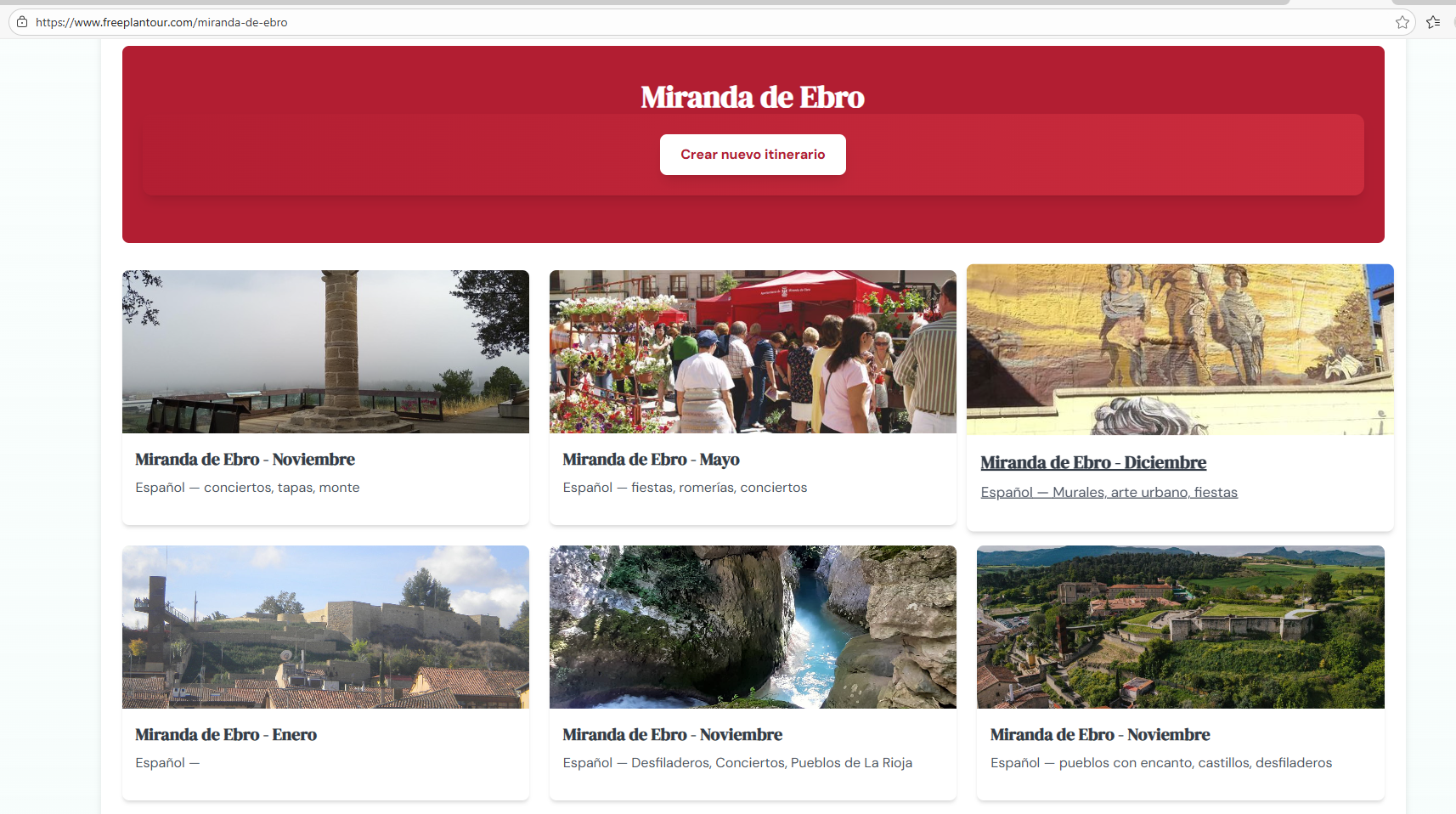
Platform for creating accessible and multilingual itineraries with voice assistant
- Categories
- Coastal, maritime and inland water tourism Cultural tourism Ecotourism +64 more

Crisis Management and Governance in Tourism project: Re-open EU
- Categories
- Coastal, maritime and inland water tourism Cultural tourism Ecotourism +19 more

Funding opportunities in Estonia
- Categories
- Coastal, maritime and inland water tourism Cultural tourism Ecotourism +64 more