

Knowledge documents
05 February 2026
Navigating the Future: Strategies for Sustainable and Balanced Tourism in the EU
Knowledge documents
05 February 2026
Login / create an account to be able to react
-
519
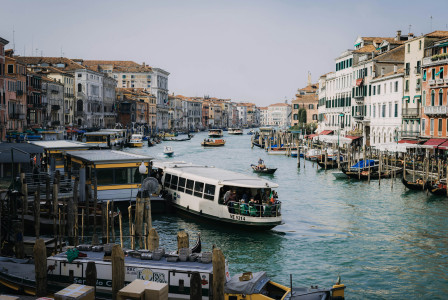
Discover how unbalanced tourism in the EU sparks crucial challenges, driving the need for innovative strategies to address overtourism and undertourism, ensuring sustainable travel for the future. The "T4T Unbalanced Tourism 2025 Final Report" sheds light on the pressing issue of tourism disparities in the European Union, urging stakeholders to embrace sustainable and equitable tourism practices. This comprehensive document serves as a knowledge repository, highlighting innovative strategies to tackle the uneven distribution of tourist activity across Europe’s diverse destinations.
T4T Expert Group
T4T Expert Group
Topics
Albania
Armenia
Austria
Belgium
Bosnia and Herzegovina
Bulgaria
Croatia
Cyprus
Czechia
Denmark
Estonia
EU-27
Finland
France
Georgia
Germany
Greece
Hungary
Iceland
Ireland
Italy
Kosovo
Latvia
Liechtenstein
Lithuania
Luxembourg
Malta
Moldova
Montenegro
Netherlands
North Macedonia
Norway
Poland
Portugal
Romania
Serbia
Slovakia
Slovenia
Spain
Sweden
Switzerland
Türkiye
Ukraine
Other
Academic / Research and VET Institutions
Business Support Organisation
Company with 250 or more employees
Cluster Organisations
Consumer Organisations
Cultural and Heritage Organisations
Destination Management & Marketing Organisations
EU Institutions
Financial Institutions and Investors
Industry Associations and Chambers of Commerce
International Organisations
Local Authorities
Media / Journalist Organisations
National authorities
Networks and Federations / Confederations
NGOs / Non-profits
Notified Bodies
Regional Authorities
SMEs (a company with less than 250 employees)
Social Economy Entity
Trade Unions
Other
-
Specific types of tourism
-
-
Adventure tourism
-
Coastal, maritime and inland water tourism
-
Cultural tourism
-
Ecotourism
-
Education tourism
-
Festival tourism
-
Gastronomy tourism
-
Health and medical tourism
-
MICE tourism
-
Mountain tourism
-
Religious tourism
-
Rural tourism
-
Sports tourism
-
Urban/city tourism
-
Wellness tourism
-
-
Transition Pathway Strategic Areas
-
-
Governance of tourism destinations
-
Improving statistics and indicators
-
Tools for data on tourism
-
Tourism strategies
-
Well-being of residents
-
-
Business activities
-
-
Activities of amusement parks and theme parks
-
Activities of associations and other organisations supporting tourism
-
Air passenger transport
-
Camping grounds, recreational vehicle parks and trailer parks
-
Events catering and other food services
-
Festivals, cultural and entertainment activities
-
Gardens and nature reserves activities
-
Holiday Housing / Apartments and other short stay accommodation
-
Hotel and similar accommodation
-
Mobile beverage services
-
Mobile food services
-
Museums
-
Operation of historical sites
-
Other
-
Other accommodation
-
Other amusement and recreation activities
-
Other food and beverage services
-
Other holiday reservation services
-
Other tourism transportation activities
-
Rail Passenger transport
-
Recreational and sport activities
-
Restaurants, cafes and bars (Food and Beverage serving activities)
-
Road passenger transport
-
Tour operator activities
-
Travel agency activities
-
Water (sea, coastal and inland) passenger transport
-
Share
Unbalanced tourism, a concept defining the uneven distribution of tourists across different regions and seasons, poses significant challenges to the efficiency and sustainability of travel destinations. This phenomenon encompasses both overtourism, characterized by overwhelming visitation, and undertourism, marked by sparse attendance. The report highlights the systemic nature of these challenges, rooted in factors like high seasonality, liberalized transport policies, enhanced visibility due to digital platforms, and behaviors spurred by travel apps that influence tourist decisions.
According to the report, an astounding 80% of tourist activities are concentrated in just 20% of areas, leading to various consequences. Socially, this trend causes gentrification, fuels local dissatisfaction, erodes cultural authenticity, and places considerable stress on public services. Economically, it fosters tourism-centric economies, hikes up living costs, and yields an unequal distribution of benefits from tourism. Environmentally, the pressure is significant on biodiversity as tourism exacerbates pollution and depletes resources. Meanwhile, in terms of communication, social media amplifies the issues associated with overtourism, while mismatched strategies and poor communication further complicate the situation.
To tackle these challenges, the report advocates for a range of strategic measures and shares successful practices as models for consideration. It suggests initiatives to redistribute visitor numbers by encouraging people to explore lesser-known destinations and travel during off-peak seasons. Upgrades in public transport and parking solutions are recommended to enhance mobility and infrastructure efficiency. The report also emphasizes engaging visitors through digital tools and responsible tourism campaigns, alongside empowering communities by fostering inclusive planning and decision-making processes. Leveraging data-driven monitoring through tourism observatories and real-time analytics is also proposed to ensure precise and informed adjustments to tourism management strategies.
At the forefront of these efforts, the European Union is advancing sustainable tourism through frameworks like Agenda 2030 and the Transition Pathway for Tourism, with numerous projects in cities such as Vienna, Florence, and Dubrovnik showcasing effective models for managing tourism flows. These initiatives not only highlight the EU's commitment to sustainable tourism but also serve as inspiring examples of how strategic planning and innovation can revitalize tourism in a balanced and effective manner.
For those keen on delving deeper into these insights and understanding how these strategies can transform tourism into a sustainable engine of growth, the full report together with its' annex is a treasure trove of information, actively inviting readers to explore its comprehensive findings.
#Sustainable tourism #Community-based tourism #Tourism sustainability indicators #Destination management #Cross-regional cooperation
Documents
Comments (0)
Related content


Connected Partnership Opportunities
See also
“Key updates and trends in 2024” Summary
- Categories
- Coastal, maritime and inland water tourism Cultural tourism Ecotourism +64 more

"Addressing changing holiday patterns due to climate change" Summary
- Categories
- Coastal, maritime and inland water tourism Cultural tourism Ecotourism +63 more

"Awareness of changes in tourism demand and twin transition" Summary
- Categories
- Coastal, maritime and inland water tourism Cultural tourism Ecotourism +64 more