

Knowledge documents
08 July 2026
“Smart Tourism Awards” Summary
Knowledge documents
08 July 2026
Login / create an account to be able to react
-
17
At a glance
Horizontal
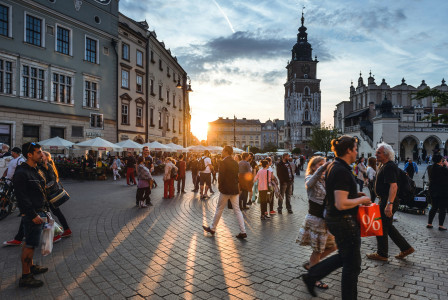
The topic explored how EU Smart Tourism Awards act as a catalyst for smarter, more sustainable destination management, considering Valencia as a concrete example of a European Capital of Smart Tourism. The focus was on how award winning cities apply digital tools, governance measures, and sustainability principles to manage peak tourism periods while safeguarding residents’ quality of life.
Why it matters?
Smart Tourism Awards provide visibility, benchmarking, and peer-learning opportunities for European destinations. They encourage cities to adopt data-driven, inclusive, and sustainability-oriented tourism models, particularly relevant in managing overtourism, seasonal pressure, and climate challenges in urban destinations.
Editorial team
Topics
Albania
Armenia
Austria
Belgium
Bosnia and Herzegovina
Bulgaria
Croatia
Cyprus
Czechia
Denmark
Estonia
EU-27
Finland
France
Georgia
Germany
Greece
Hungary
Iceland
Ireland
Italy
Kosovo
Latvia
Liechtenstein
Lithuania
Luxembourg
Malta
Moldova
Montenegro
Netherlands
North Macedonia
Norway
Poland
Portugal
Romania
Serbia
Slovakia
Slovenia
Spain
Sweden
Switzerland
Türkiye
Ukraine
Other
Academic / Research and VET Institutions
Business Support Organisation
Company with 250 or more employees
Cluster Organisations
Consumer Organisations
Cultural and Heritage Organisations
Destination Management & Marketing Organisations
EU Institutions
Financial Institutions and Investors
Industry Associations and Chambers of Commerce
International Organisations
Local Authorities
Media / Journalist Organisations
National authorities
Networks and Federations / Confederations
NGOs / Non-profits
Notified Bodies
Regional Authorities
SMEs (a company with less than 250 employees)
Social Economy Entity
Trade Unions
Other
-
Specific types of tourism
-
-
Adventure tourism
-
Coastal, maritime and inland water tourism
-
Cultural tourism
-
Ecotourism
-
Education tourism
-
Festival tourism
-
Gastronomy tourism
-
Health and medical tourism
-
MICE tourism
-
Mountain tourism
-
Religious tourism
-
Rural tourism
-
Sports tourism
-
Urban/city tourism
-
Wellness tourism
-
-
Transition Pathway Strategic Areas
-
-
Best practices, peer learning and networking
-
Governance of tourism destinations
-
-
Business activities
-
-
Activities of amusement parks and theme parks
-
Activities of associations and other organisations supporting tourism
-
Air passenger transport
-
Camping grounds, recreational vehicle parks and trailer parks
-
Events catering and other food services
-
Festivals, cultural and entertainment activities
-
Gardens and nature reserves activities
-
Holiday Housing / Apartments and other short stay accommodation
-
Hotel and similar accommodation
-
Mobile beverage services
-
Mobile food services
-
Museums
-
Operation of historical sites
-
Other
-
Other accommodation
-
Other amusement and recreation activities
-
Other food and beverage services
-
Other holiday reservation services
-
Other tourism transportation activities
-
Rail Passenger transport
-
Recreational and sport activities
-
Restaurants, cafes and bars (Food and Beverage serving activities)
-
Road passenger transport
-
Tour operator activities
-
Travel agency activities
-
Water (sea, coastal and inland) passenger transport
-
Share
What is this topic about?
This topic examined how Smart Tourism Awards, notably the European Capital of Smart Tourism, recognize and promote innovative destination management approaches across Europe Drawing on the monthly article “Valencia – European Capital of Smart Tourism 2024: A Smart Summer Without the Strain” along with the online discussion “Smart Summer Cities” in August 2025, it highlighted how awarded cities translate award criteria - sustainability, digitalization, accessibility, and cultural heritage - into practical policies and tools that address real tourism pressures.
Key themes included:
- Governance and regulatory measures to manage visitor density
- Digital and monitoring tools to decentralize visitor flows
- Resident-centric tourism planning and participatory governance
- Alignment between smart tourism and environmental objectives
Stakeholder stories
The initiatives showcased illustrate how destinations and international organizatios are leveraging data and policy insights, including:
- OECD Tourism Trends and Policies 2024, Organisation for Economic Co‑operation and Development (OECD): providing evidence on tourism performance and policy developments across OECD countries to support coordinated, forward‑looking and sustainable tourism policies.
- Data‑driven destination management in Valencia, City of Valencia: using city‑wide sensor data and dashboards to track crowd levels, transport use and pressure points, supporting safer tourism and more sustainable destination management.
- Smart mobility and visitor flow management, City of Valencia: integrating cycling infrastructure, low‑emission public transport and real‑time traffic tools to reduce congestion during peak tourism periods.
- Resident‑centred tourism governance, City of Valencia: using rental regulation, cruise coordination and resident consultation to rebalance tourism development and protect local quality of life.
Key conclusions and emerging trends
Stakeholder stories showcase how cities and destinations are using innovation and smart tourism approaches to address challenges related to seasonality, visitor pressure, and urban quality of life.
Key conclusions and emerging trends include:
- Smart Tourism Awards act as a policy accelerator, encouraging cities to adopt integrated digital, sustainability, and governance solutions rather than isolated pilot actions.
- Managing seasonal pressure is become a core smart tourism challenge: with awarded cities prioritizing crowd management, decentralization of visitor flows, and regulatory tools during peak summer periods.
- Resident well-being is increasingly central to smart tourism strategies, with destinations explicitly designing tourism policies that minimize negative impacts on housing, public space, and quality of urban life.
- Awards strengthen peer learning and replication, as cities use the Smart Tourism framework to exchange practices and inspire similar actions across Europe.
- Smart tourism is converging with green objectives, with smart governance and digital tools supporting broader goals related to sustainability, climate resilience, and long‑term planning.
Comments (0)
Connected Partnership Opportunities
See also
Destination Europe – Where to from here?
- Categories
- Coastal, maritime and inland water tourism Cultural tourism Ecotourism +46 more

"Addressing changing holiday patterns due to climate change" Summary
- Categories
- Coastal, maritime and inland water tourism Cultural tourism Ecotourism +63 more
“Key updates and trends in 2024” Summary
- Categories
- Coastal, maritime and inland water tourism Cultural tourism Ecotourism +64 more