

Knowledge documents
21 May 2026
Towards common EU standards for cycle routes: new Swedish study highlights the future of cycling tourism
Knowledge documents
21 May 2026
Login / create an account to be able to react
-
211
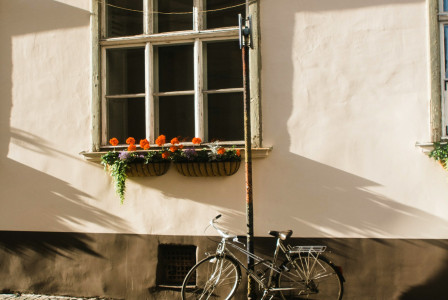
A new Swedish study conducted within the Baltic Biking UPGRADE (BBU) project examines the potential for implementing common EU standards for cycle routes. The project, co-financed by the Interreg South Baltic Programme and led by the Pomorskie Tourist Board along with partners from Sweden, Germany, Poland, Lithuania, and Denmark, emphasises the increasing importance of harmonised infrastructure and quality standards for strengthening sustainable cycling tourism across Europe.
Pomorskie Tourist Board
Pomorskie Tourist Board
Topics
Denmark
Germany
Lithuania
Poland
Sweden
Academic / Research and VET Institutions
Destination Management & Marketing Organisations
Industry Associations and Chambers of Commerce
Local Authorities
National authorities
Regional Authorities
-
Specific types of tourism
-
-
Adventure tourism
-
Coastal, maritime and inland water tourism
-
Rural tourism
-
Sports tourism
-
Wellness tourism
-
-
Transition Pathway Strategic Areas
-
-
Sustainable mobility
-
-
Business activities
-
-
Other tourism transportation activities
-
Road passenger transport
-
Share
As cycling tourism continues to grow across Europe, discussions around common standards for cycle routes are becoming increasingly important. A new Swedish study commissioned by Region Blekinge explores the potential benefits and challenges of introducing EU-level standards for Swedish cycle routes, with a particular focus on international competitiveness and long-distance cycling tourism. The study was developed within the Baltic Biking UPGRADE (BBU) project, co-financed by the Interreg South Baltic Programme and led by the Pomorskie Tourist Board in cooperation with partners from Sweden, Germany, Poland, Lithuania and Denmark. The project focuses on strengthening cooperation, improving route quality and supporting the long-term development of the EuroVelo 10 Baltic Sea Cycle Route across the South Baltic area.
The report emphasises that cycling tourism has shifted from a niche activity to a rapidly growing sector within the European tourism industry. Long-distance routes like EuroVelo are increasingly seen as key tourism assets that attract international visitors, support local businesses, and promote more sustainable mobility practices. A major finding is the rising importance of harmonisation. Despite substantial investments in cycling infrastructure across many European countries, significant differences remain in route quality, signage, services, and route continuity between regions and nations. These inconsistencies can impair the visitor experience and lessen the continent's appeal to international tourists. The report examines how establishing common European standards could foster more consistent and dependable cycling tourism experiences, covering aspects such as route continuity, surface quality, safety, signage, digital information, accommodation standards, and integration with public transport. Standardisation would simplify trip planning and increase confidence among cyclists crossing borders.
The report highlights the European Certification Standard (ECS), created by the European Cyclists’ Federation for EuroVelo routes. This standard offers internationally accepted criteria for infrastructure, services, and route management, and the study recommends that adopting such frameworks more broadly could boost Sweden’s standing in the European cycling tourism sector. Blekinge is highlighted as a key example due to its strategic position along EuroVelo 10, the Baltic Sea Cycle Route. Through the Baltic Biking UPGRADE project, the region actively collaborates across borders to enhance cycling tourism standards, route management, and services throughout the South Baltic region. The study further notes that cycling tourism benefits the wider region by supporting sustainable transport, healthier lifestyles, territorial cohesion, and local economic diversification, aligning with EU priorities for green transition and sustainable mobility. Importantly, the report stresses that infrastructure alone is insufficient; effective cycling tourism ecosystems depend on coordinated destination management, cyclist-friendly services, digital tools, and strong collaboration among municipalities, tourism organisations, and transport authorities.
Another important theme is accessibility and internationalisation. Common standards would not only improve route quality, but also help smaller regions and SMEs become more visible and competitive internationally. Consistency in signage, service levels and information systems is seen as essential for attracting international cycling tourists, particularly those travelling long distances across multiple countries. The report also reflects wider developments at the EU level. Cycling is increasingly recognised as a strategic component of European mobility and tourism policy. Recent European policy initiatives have highlighted the importance of integrated cycling networks, better infrastructure and stronger support for cycling tourism as part of climate and transport strategies. From a broader perspective, the study demonstrates how cycling tourism is evolving from isolated local initiatives towards a more connected European ecosystem. Harmonised standards could play a key role in enabling this transition, making cross-border cycling experiences more seamless, reliable and attractive.
Finally, the report presents cycling tourism as more than just a tourism opportunity; it also serves as a strategic instrument for regional development and sustainable mobility. Enhancing standards and fostering cooperation across Europe will enable destinations to better realise the economic, environmental, and social benefits of cycling tourism in the future. The Baltic Biking UPGRADE project exemplifies how macro-regional collaboration can facilitate this shift by linking destinations, public authorities, and tourism stakeholders around a common vision for the future of cycling tourism in the Baltic Sea Region.
Baltic Biking UPGRADE project website:
https://pro.eurovelo.com/projects/2023-09-21_baltic-biking-upgrade
#Sustainable Mobility #Cycling Tourism #Sustainable Tourism
Comments (0)
Related content
Connected Partnership Opportunities
See also
Economic perspectives on sustainable development in the 2024 EU Blue Economy Report
- Categories
- Coastal, maritime and inland water tourism Cultural tourism Ecotourism +40 more

CREDinGREEN: Navigating the dual transition
- Categories
- Coastal, maritime and inland water tourism Cultural tourism Ecotourism +42 more

“Decarbonizing the transport sector” Summary
- Categories
- Coastal, maritime and inland water tourism Cultural tourism Ecotourism +38 more