

Learning resources
25 February 2026
Sustainable high-end tourism course supports the future of luxury travel in Europe
Learning resources
25 February 2026
Login / create an account to be able to react
-
<a href="/user/login?destination=/tourism/learning-resources/sustainable-high-end-tourism-course-supports-future-luxury-travel-europe%23comment-form">Log in</a> or <a href="/user/register?destination=/tourism/learning-resources/sustainable-high-end-tourism-course-supports-future-luxury-travel-europe%23comment-form">register</a> to post comments
-
522
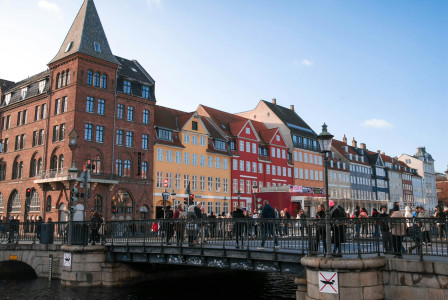
A free online course on sustainable luxury tourism is now accessible for professionals, students, and destinations interested in the future of high-end travel. Created through a European Erasmus+ initiative, the course delivers practical insights on sustainability, customer experience, and innovation in tourism. It offers valuable guidance for European destinations aiming to balance high-value tourism with responsible, climate-conscious growth.
Coursera
Coursera
Topics
Albania
Armenia
Austria
Belgium
Bosnia and Herzegovina
Bulgaria
Croatia
Cyprus
Czechia
Denmark
Estonia
EU-27
Finland
France
Georgia
Germany
Greece
Hungary
Iceland
Ireland
Italy
Kosovo
Latvia
Liechtenstein
Lithuania
Luxembourg
Malta
Moldova
Montenegro
Netherlands
North Macedonia
Norway
Poland
Portugal
Romania
Serbia
Slovakia
Slovenia
Spain
Sweden
Switzerland
Türkiye
Ukraine
Other
Destination Management & Marketing Organisations
Local Authorities
National authorities
Regional Authorities
-
Specific types of tourism
-
-
Gastronomy tourism
-
Rural tourism
-
Urban/city tourism
-
Wellness tourism
-
-
Transition Pathway Strategic Areas
-
-
Best practices, peer learning and networking
-
Governance of tourism destinations
-
-
Business activities
-
-
Activities of amusement parks and theme parks
-
Activities of associations and other organisations supporting tourism
-
Air passenger transport
-
Camping grounds, recreational vehicle parks and trailer parks
-
Events catering and other food services
-
Festivals, cultural and entertainment activities
-
Gardens and nature reserves activities
-
Holiday Housing / Apartments and other short stay accommodation
-
Hotel and similar accommodation
-
Mobile beverage services
-
Mobile food services
-
Museums
-
Operation of historical sites
-
Other
-
Other accommodation
-
Other amusement and recreation activities
-
Other food and beverage services
-
Other holiday reservation services
-
Other tourism transportation activities
-
Rail Passenger transport
-
Recreational and sport activities
-
Restaurants, cafes and bars (Food and Beverage serving activities)
-
Road passenger transport
-
Tour operator activities
-
Travel agency activities
-
Water (sea, coastal and inland) passenger transport
-
Share
A new online training opportunity is available for tourism professionals and destinations across Europe to better understand the rapidly growing high-end tourism segment and its connection to sustainability. The Sustainable High-End Tourism course, offered on Coursera, was developed through an Erasmus+ project and features collaboration among leading European universities and training institutions. This initiative underscores the increasing importance of skills, innovation, and sustainability in the tourism ecosystem.
The course is delivered by international experts and academic partners, including the Autonomous University of Barcelona in Spain, Lapland University of Applied Sciences in Finland, the University of Maribor in Slovenia, Erasmus Brussels University of Applied Science and Arts in Belgium, and the European Centre for Quality in Bulgaria. This collaboration highlights the strategic significance of high-end tourism for regional development, competitiveness, and sustainable growth.
Participants will learn about the foundations of luxury tourism and how the concept has shifted from traditional exclusivity to personalised and meaningful experiences. The program also examines the three pillars of sustainability and how they can be applied to high-end tourism products and services. It emphasises customer insights, service design, and value creation, helping professionals understand evolving traveller expectations and global trends.
Another essential aspect of the course is marketing and communication. Learners will acquire practical tools for positioning sustainable high-end experiences, developing digital strategies, and building strong destination branding. The final module focuses on operational management, innovation, and performance systems, ensuring that sustainability is integrated into business and destination strategies.
The course is completely online and flexible, allowing participants to study at their own pace. It typically takes about 9 hours to complete and includes video lectures, readings, quizzes, and practical examples. Upon completion, learners receive a certificate that can be added to their professional profile.
This training is especially relevant for European tourism. High-end travellers often generate greater economic value with less visitor pressure, making this segment desirable for destinations striving to balance growth with sustainability. It also supports EU priorities, including climate action, skills development, innovation, and digital transformation. Regions focusing on regenerative tourism, data-driven destination management, and high-quality visitor experiences can significantly benefit from this knowledge.
Destinations, small and medium-sized enterprises (SMEs), Destination Management Organisations (DMOs), and policymakers are encouraged to explore this free course to enhance their capabilities in sustainable luxury tourism. Investing in skills and innovation will be crucial to ensuring that Europe remains competitive while providing responsible, high-quality travel experiences.
The information and enrolment:
https://www.coursera.org/learn/sustainable-high-end-tourism
#Sustainable Tourism #Innovation In Tourism #Tourism Development
#Responsible Travel
Comments (0)
Related content

Connected Partnership Opportunities
See also
DEPLOYTOUR podcast: When Tourism meets Data
- Categories
- Coastal, maritime and inland water tourism Cultural tourism Ecotourism +47 more

RESTORE Online Learning Hub for Tackling Overtourism
- Categories
- Coastal, maritime and inland water tourism Cultural tourism Ecotourism +64 more
2024 smart tourism awards finalists
- Categories
- Coastal, maritime and inland water tourism Cultural tourism Ecotourism +40 more