

News
18 May 2026
Cities as Architects of Sustainable Tourism: EU Dialogue Redefines Urban Roles
News
18 May 2026
Login / create an account to be able to react
-
185
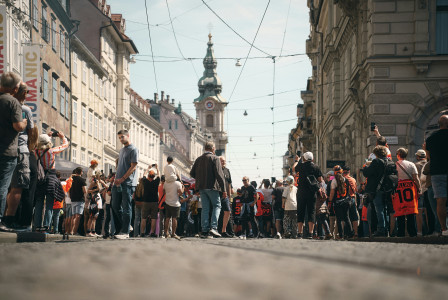
Discover how European cities are reshaping tourism through strategic partnership and innovative management.
In a groundbreaking initiative under the EU Agenda for Cities, the European Commission has initiated a new format of technical dialogue with urban stakeholders, marking a pivotal shift in how cities engage with tourism policy. The inaugural dialogue in Copenhagen marked a new era where cities are transitioning from mere implementers to becoming active designers of tourism solutions alongside the EU. This dialogue emphasized the importance of balanced tourism management amid ever-growing visitor numbers, stressing sustainable practices, climate resilience, and the protection of local identities as essential components of the future EU Strategy for Sustainable Tourism.
European Commission
European Commission
Topics
Albania
Armenia
Austria
Belgium
Bosnia and Herzegovina
Bulgaria
Croatia
Cyprus
Czechia
Denmark
Estonia
EU-27
Finland
France
Georgia
Germany
Greece
Hungary
Iceland
Ireland
Italy
Kosovo
Latvia
Liechtenstein
Lithuania
Luxembourg
Malta
Moldova
Montenegro
Netherlands
North Macedonia
Norway
Poland
Portugal
Romania
Serbia
Slovakia
Slovenia
Spain
Sweden
Switzerland
Türkiye
Ukraine
Other
Academic / Research and VET Institutions
Business Support Organisation
Company with 250 or more employees
Cluster Organisations
Consumer Organisations
Cultural and Heritage Organisations
Destination Management & Marketing Organisations
EU Institutions
Financial Institutions and Investors
Industry Associations and Chambers of Commerce
International Organisations
Local Authorities
Media / Journalist Organisations
National authorities
Networks and Federations / Confederations
NGOs / Non-profits
Notified Bodies
Regional Authorities
SMEs (a company with less than 250 employees)
Social Economy Entity
Trade Unions
Other
-
Specific types of tourism
-
-
Adventure tourism
-
Coastal, maritime and inland water tourism
-
Cultural tourism
-
Ecotourism
-
Education tourism
-
Festival tourism
-
Gastronomy tourism
-
Health and medical tourism
-
MICE tourism
-
Mountain tourism
-
Religious tourism
-
Rural tourism
-
Sports tourism
-
Urban/city tourism
-
Wellness tourism
-
-
Transition Pathway Strategic Areas
-
-
Best practices, peer learning and networking
-
Changes in tourism demand and opportunities
-
Governance of tourism destinations
-
Sustainable mobility
-
Tourism strategies
-
Well-being of residents
-
-
Business activities
-
-
Activities of amusement parks and theme parks
-
Activities of associations and other organisations supporting tourism
-
Air passenger transport
-
Camping grounds, recreational vehicle parks and trailer parks
-
Events catering and other food services
-
Festivals, cultural and entertainment activities
-
Gardens and nature reserves activities
-
Holiday Housing / Apartments and other short stay accommodation
-
Hotel and similar accommodation
-
Mobile beverage services
-
Mobile food services
-
Museums
-
Operation of historical sites
-
Other
-
Other accommodation
-
Other amusement and recreation activities
-
Other food and beverage services
-
Other holiday reservation services
-
Other tourism transportation activities
-
Rail Passenger transport
-
Recreational and sport activities
-
Restaurants, cafes and bars (Food and Beverage serving activities)
-
Road passenger transport
-
Tour operator activities
-
Travel agency activities
-
Water (sea, coastal and inland) passenger transport
-
Share
A New Collaborative Approach
The first technical dialogue, attended by over 90 representatives from European cities, the European Commission, and local stakeholders, showcased this innovative collaboration. With support from the European Urban Initiative, cities are now vital contributors to policy creation, bringing distinct local realities into the EU policymaking process. The dialogue centered on the theme of balanced tourism management, using it as a gateway to broader urban transitions including climate resilience, social cohesion, and sustainable urban mobility.
Strategic Themes and Discussions
The dialogue was structured around three thematic working groups:
Managing High Visitor Numbers: Cities like Barcelona and Copenhagen illustrated approaches to shift from volume to quality management, focusing on spatial distribution and reducing pressure on hotspots. Emphasis was placed on governance across municipal boundaries, integrating tourism with housing, planning, and public spaces.
Sustainable Growth and Governance: Cities such as Vaasa and Bruges demonstrated holistic approaches to tourism as a complex urban system, linking policy with economic diversification, sustainability, and metropolitan coordination.
Growing Tourism in Smaller Destinations: Cities like Rovereto and Saue explored ways to grow tourism while preserving local identity, emphasizing urban regeneration, revitalization, and year-round economic strengthening.
Towards Practical Solutions
Commission representatives acknowledged the EU's role in supporting local actions through funding, data standards, and peer learning. Initiatives like the EU Tourism Dashboard and Tourism Transition Pathway platform were highlighted as key resources. As part of a Focused Policy Lab, the two-day event fostered knowledge sharing on environmentally sustainable business models and social innovation through inclusive tourism.
This dialogue is a significant stride towards a more structured and practical partnership between European institutions and cities, embodying a shared vision for sustainable and strategic tourism that benefits both visitors and local communities alike.
For more information and presentations from cities, follow this link.
#Sustainable tourism #Destination management #Community-based tourism #Stakeholder engagement #Climate-friendly tourism practices #Sustainable destinations
Comments (0)
Related content
Connected Partnership Opportunities
See also

Share Your Feedback on the Transition Pathways Platform - Survey Open Until 8 May
- Categories
- Coastal, maritime and inland water tourism Cultural tourism Ecotourism +64 more
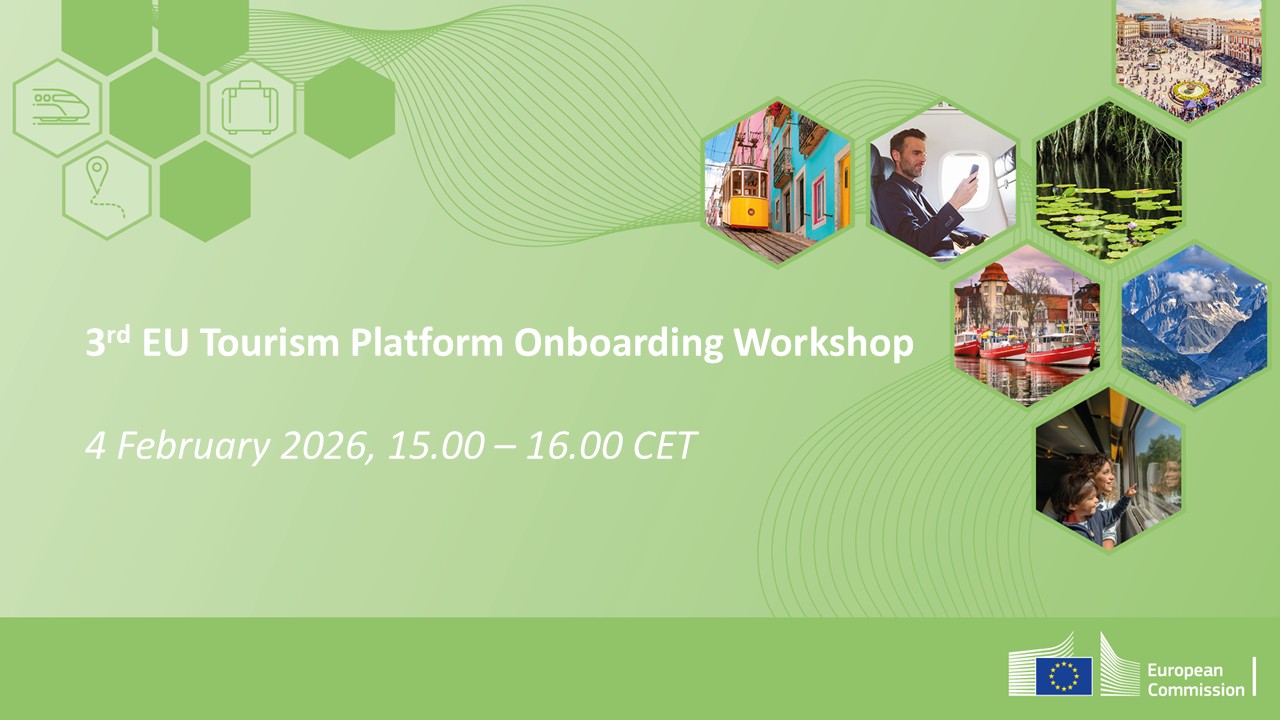
Last chance to register for the upcoming EU Tourism Platform Onboarding Workshop
- Categories
- Coastal, maritime and inland water tourism Cultural tourism Ecotourism +64 more
Register and join our monthly discussion on the changes shaping European tourism in 2025!
- Categories
- Coastal, maritime and inland water tourism Cultural tourism Ecotourism +64 more