

Projects
15 May 2026
Cool Noons: rethinking tourism in Mediterranean cities facing extreme heat
PROJECTS - Interreg Euro-MED : Sustainable Tourism
Projects
15 May 2026
PROJECTS - Interreg Euro-MED : Sustainable Tourism
Login / create an account to be able to react
-
142
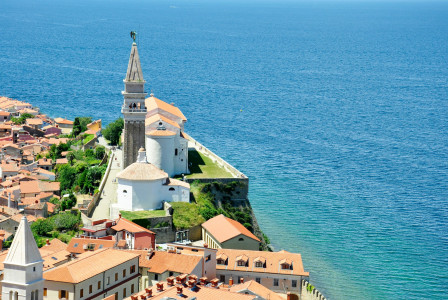
The COOL NOONS project, supported by the Interreg Euro-MED programme, assists Mediterranean cities in adjusting tourism and public spaces to increasing temperatures and heatwaves. By integrating climate adaptation, urban innovation, and sustainable tourism, the initiative explores effective solutions to enhance thermal comfort and overall quality of life for residents and visitors alike.
Interreg Euro-MED
Interreg Euro-MED
Topics
Croatia
France
Greece
Italy
Montenegro
Portugal
Destination Management & Marketing Organisations
Local Authorities
National authorities
Regional Authorities
-
Specific types of tourism
-
-
Cultural tourism
-
Ecotourism
-
Rural tourism
-
Urban/city tourism
-
-
Transition Pathway Strategic Areas
-
-
Accessible tourism services
-
Best practices, peer learning and networking
-
Changes in tourism demand and opportunities
-
Governance of tourism destinations
-
-
Business activities
-
-
Activities of amusement parks and theme parks
-
Activities of associations and other organisations supporting tourism
-
Air passenger transport
-
Camping grounds, recreational vehicle parks and trailer parks
-
Events catering and other food services
-
Festivals, cultural and entertainment activities
-
Gardens and nature reserves activities
-
Holiday Housing / Apartments and other short stay accommodation
-
Hotel and similar accommodation
-
Mobile beverage services
-
Mobile food services
-
Museums
-
Operation of historical sites
-
Other
-
Other accommodation
-
Other amusement and recreation activities
-
Other food and beverage services
-
Other holiday reservation services
-
Other tourism transportation activities
-
Rail Passenger transport
-
Recreational and sport activities
-
Restaurants, cafes and bars (Food and Beverage serving activities)
-
Road passenger transport
-
Tour operator activities
-
Travel agency activities
-
Water (sea, coastal and inland) passenger transport
-
Share
As climate change intensifies heatwaves across Southern Europe, Mediterranean cities are increasingly challenged to remain attractive, livable, and welcoming during peak summer temperatures. The COOL NOONS project was launched specifically to address this, aiming to explore how tourism and urban spaces can adapt to the rising extreme heat. Supported by the Interreg Euro-MED programme, it unites partners from six countries to develop and test innovative solutions for climate-resilient urban tourism. Running from January 2024 to September 2026, the project aims to enhance comfort and sustainability in city experiences during the hottest parts of the day.
The project includes five pilot cities around the Mediterranean: Lisbon, Marseille, Imola, Dubrovnik, and Budva. These cities are implementing practical measures to reduce heat stress and enhance comfort for visitors and residents in urban areas. Central to the project are the "Cool Paths"— routes through cities connecting cooler, shaded, and more comfortable zones. These paths guide people through streets, parks, cultural sites, and public spaces with better thermal conditions during the hottest hours. In some cases, new routes are being created to shift tourism toward less crowded areas, encouraging more balanced tourism patterns. The solutions tested combine nature-based methods and urban design, such as planting more trees and gardens, adding water fountains, creating shaded rest spots, using light-colored surfaces to reflect heat, and redesigning public spaces. The project also investigates behavioural and digital approaches, like mapping cooler routes and promoting indoor attractions during extreme heat. An innovative feature of COOL NOONS is its participatory approach, involving residents, local stakeholders, students, and visitors through workshops, focus groups, and testing activities. This co-creation ensures solutions address real needs and local insights rather than relying solely on top-down planning.
The project's partnership showcases a strong transnational and interdisciplinary nature. It features AVITEM (France) as the lead, along with Marseille, Bologna's Metropolitan City, Imola Faenza Tourism Company, Lisbon, Budva, Dubrovnik Development Agency DURA, Coimbra University, and the American College of Greece. From a broader European view, COOL NOONS addresses multiple strategic priorities simultaneously. It supports climate adaptation, sustainable tourism, urban resilience, and quality of life — all key themes in current EU policies. The project is explicitly linked to initiatives such as the European Green Deal, the EU Adaptation Strategy, and the Transition Pathway for Tourism. This initiative is especially relevant for Southern Europe's tourism destinations, where rising temperatures increasingly influence visitor behaviour and competitiveness. Heatwaves are becoming more frequent, affecting mobility, outdoor activities, and the usability of urban public spaces. COOL NOONS responds to this growing challenge, likely to intensify in the coming decades. Importantly, it reimagines climate adaptation as an opportunity rather than a constraint, thereby promoting new ways of thinking about tourism. Instead of focusing visitors on overheated city centres, it advocates for slower exploration, diversified routes, and balanced urban space use, benefiting both tourism sustainability and residents’ wellbeing. Additionally, the project enhances knowledge-sharing across the Mediterranean by providing guidelines, solutions catalogues, and transfer strategies to support replication in other cities facing similar climate issues. Ultimately, COOL NOONS illustrates how tourism adaptation and urban resilience can be tackled simultaneously. Combining climate science, participatory planning, and sustainable tourism, it offers a practical model for Mediterranean cities to stay vibrant and welcoming amidst a warming climate.
#Sustainable Tourism #Innovations in Tourism #Tourism Governance #Projects
Comments (0)
Related content

Connected Partnership Opportunities
See also
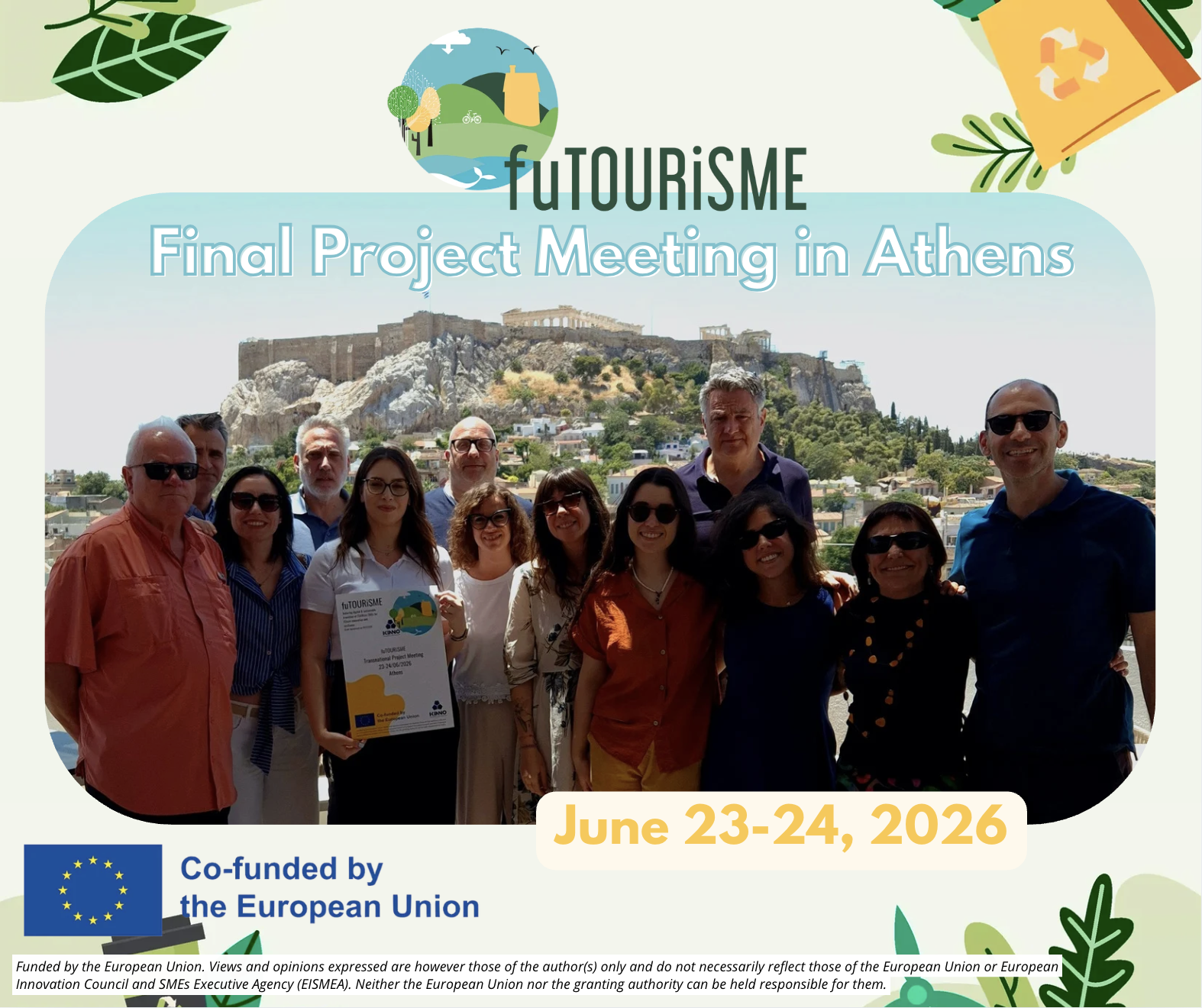
fuTOURiSME: Empowering Tourism SMEs for the Twin Transition
- Categories
- Coastal, maritime and inland water tourism Cultural tourism Ecotourism +64 more
Lact call for registrations in Hybrid event "Unbalanced Rollercoaster - EU Tourism for a Smoother Ride"
- Categories
- Coastal, maritime and inland water tourism Cultural tourism Ecotourism +64 more
Upcoming Webinar 24 April 2025 "Better together: Improving tourism through a collaborative approach to effective governance"
- Categories
- Coastal, maritime and inland water tourism Cultural tourism Ecotourism +46 more