

Projects
22 January 2026
New accessibility and AI project set to transform tourism experiences in the South Baltic Region: AIMused
Projects
22 January 2026
Login / create an account to be able to react
-
143
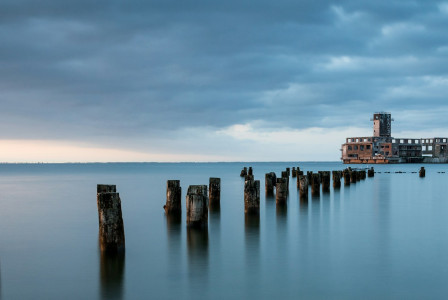
The AIMused project aims to improve accessibility and inclusivity at tourism attractions across the South Baltic Region by harnessing artificial intelligence and inclusive design solutions. Running from September 2025 to August 2028, the project brings together partners from several European countries — Poland, Denmark, Sweden, Lithuania and Germany — to develop AI-driven tools, accessible guidelines and training to make cultural and natural tourism sites more welcoming for visitors of all abilities.
Interreg South Baltic
Interreg South Baltic
Topics
Denmark
Germany
Lithuania
Poland
Sweden
Destination Management & Marketing Organisations
Industry Associations and Chambers of Commerce
Local Authorities
NGOs / Non-profits
Regional Authorities
-
Specific types of tourism
-
-
Coastal, maritime and inland water tourism
-
Cultural tourism
-
-
Transition Pathway Strategic Areas
-
-
Best practices, peer learning and networking
-
Changes in tourism demand and opportunities
-
Digitalisation of tourism SMEs and destinations
-
-
Business activities
-
-
Festivals, cultural and entertainment activities
-
Museums
-
Share
The AIMused project — Accessibility Integration and Artificial Intelligence for Museums — has been launched under the Interreg South Baltic Programme 2021–2027 to address a persistent challenge in regional tourism: limited accessibility for people with disabilities, seniors and individuals with special needs. The initiative recognises that a significant portion of the population across Europe faces barriers when visiting cultural and environmental attractions, and that tourism must evolve to be truly inclusive and visitor-friendly.
AIMused combines cutting-edge AI technology with the expertise of museums, universities and tourism specialists to create solutions that make tourism content more accessible and engaging. By integrating AI-powered tools such as interactive chatbots, adaptive content interfaces and tactile models, the project aims to help institutions better communicate with diverse audiences, tailor visitor interactions and remove barriers to participation.
The project is supported by a diverse, cross-sector partnership that includes organisations such as the National Marine Fisheries Research Institute (Poland), the University of Szczecin (Poland), the Lithuanian Sea Museum (Lithuania), NaturBornholm (Denmark), the Technical University of Applied Sciences Wildau (Germany), Kalmar County Museum (Sweden), KL Kulturland MV gGmbH (Germany), and Nautil (Poland). This collaboration guarantees that solutions are developed collaboratively, with valuable input from various cultural perspectives, accessibility experts, and AI developers.
Over its three-year implementation period, AIMused will produce a set of practical outputs that tourism stakeholders across Europe can adopt. These include two comprehensive guideline documents on inclusive design principles and AI-enhanced visitor engagement, toolboxes with both digital and physical accessibility aids, and targeted training materials and workshops for site managers, museum staff and tourism professionals. Applied testing in partner countries will help refine tools for diverse cultural and linguistic environments.
For the tourism sector, particularly in regions that rely on cultural heritage and informal learning experiences, AIMused represents an important step forward in making Making cultural attractions more accessible and resilient. By fostering inclusivity, destinations strengthen their appeal to a broader audience — including families, older visitors and people with sensory or cognitive impairments — while improving the overall quality of visitor experience. The project’s scalable and transferable solutions can also support tourism organisations beyond the South Baltic area in aligning with broader European goals for inclusive, sustainable and data-enhanced tourism.
Read more about the project and its aims at: https://aimused.eu/
#SmartTourism #Sustainable Tourism #Responsible Travel #Tourism Indicators
#Sustainable Destinations
Comments (0)
Related content

Connected Partnership Opportunities
See also
RESTORE – Empowering Tourism SMEs to Become Regenerative Businesses for Combating Overtourism project
- Categories
- Coastal, maritime and inland water tourism Cultural tourism Ecotourism +46 more
fuTOURiSME: Empowering Tourism SMEs for the Twin Transition
- Categories
- Coastal, maritime and inland water tourism Cultural tourism Ecotourism +64 more
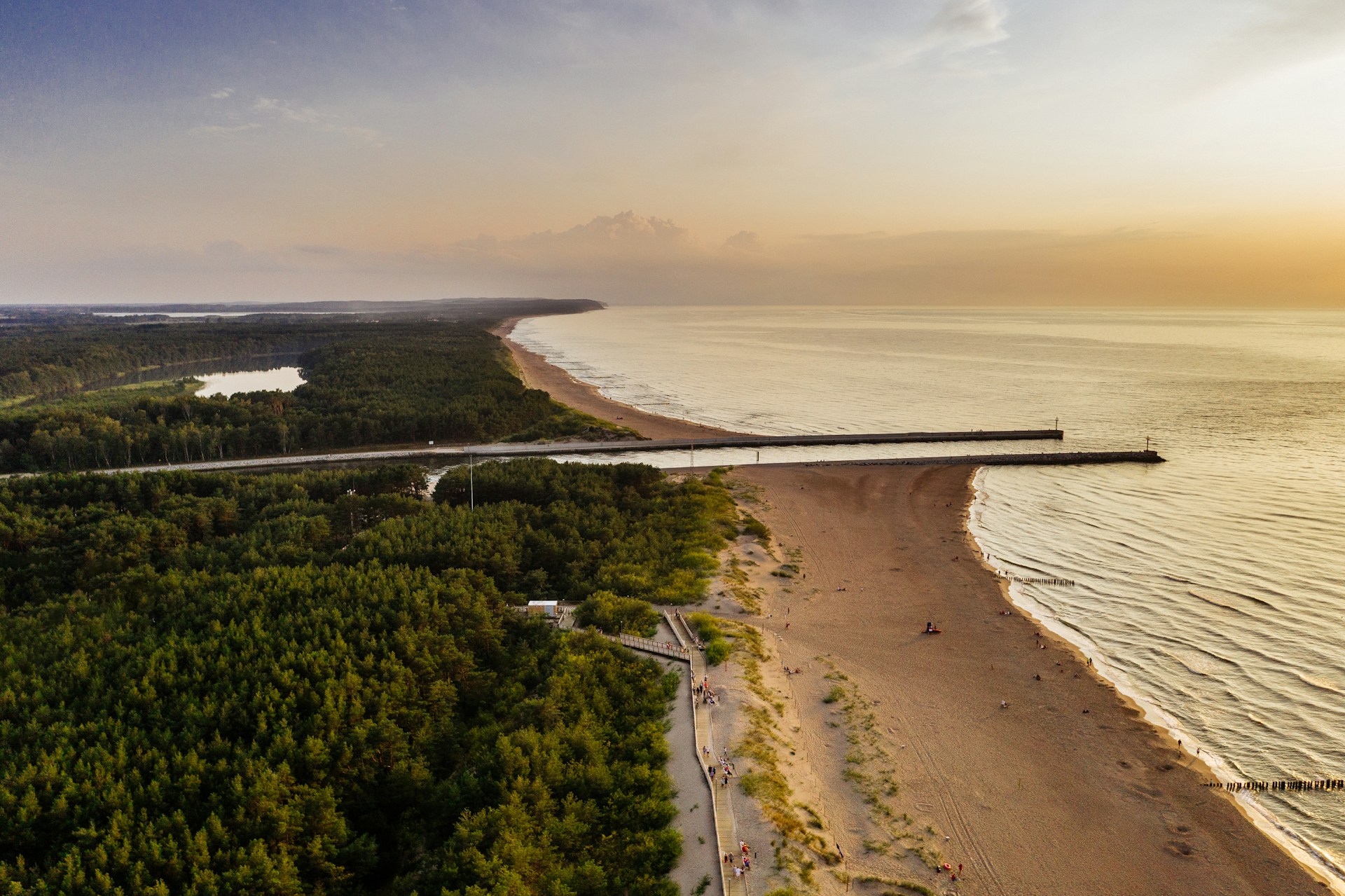
Regenerative tourism in the Baltic Sea region gains momentum with the REDIRECT project
- Categories
- Cultural tourism Ecotourism Gastronomy tourism +32 more