

Projects
12 January 2026
Regenerative tourism in the Baltic Sea region gains momentum with the REDIRECT project
Projects
12 January 2026
Login / create an account to be able to react
-
130
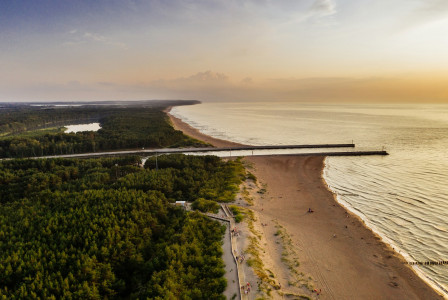
The REDIRECT initiative is a transnational project under the Interreg Baltic Sea Region programme that aims to pioneer regenerative tourism across the Baltic Sea area. Running from March 2025 to February 2028, the partnership of nine organisations from seven countries is developing a toolkit and best-practice guide to help destinations move beyond sustainable tourism toward positive environmental, social, and economic outcomes. The project will pilot regenerative solutions locally, gather data, and share knowledge to inspire wider adoption throughout European coastal and rural destinations.
Interreg Baltic Sea Region Programme
Interreg Baltic Sea Region Programme
Topics
Denmark
Estonia
Finland
Germany
Latvia
Lithuania
Poland
Sweden
Academic / Research and VET Institutions
Destination Management & Marketing Organisations
Industry Associations and Chambers of Commerce
Local Authorities
Media / Journalist Organisations
National authorities
NGOs / Non-profits
Regional Authorities
-
Specific types of tourism
-
-
Coastal, maritime and inland water tourism
-
Cultural tourism
-
Ecotourism
-
Gastronomy tourism
-
Health and medical tourism
-
Rural tourism
-
Wellness tourism
-
-
Transition Pathway Strategic Areas
-
-
Best practices, peer learning and networking
-
Changes in tourism demand and opportunities
-
Funding and support measures
-
-
Business activities
-
-
Activities of amusement parks and theme parks
-
Activities of associations and other organisations supporting tourism
-
Air passenger transport
-
Camping grounds, recreational vehicle parks and trailer parks
-
Events catering and other food services
-
Festivals, cultural and entertainment activities
-
Gardens and nature reserves activities
-
Holiday Housing / Apartments and other short stay accommodation
-
Hotel and similar accommodation
-
Mobile beverage services
-
Mobile food services
-
Museums
-
Operation of historical sites
-
Other
-
Other accommodation
-
Other amusement and recreation activities
-
Other food and beverage services
-
Other holiday reservation services
-
Other tourism transportation activities
-
Rail Passenger transport
-
Recreational and sport activities
-
Restaurants, cafes and bars (Food and Beverage serving activities)
-
Road passenger transport
-
Tour operator activities
-
Travel agency activities
-
Water (sea, coastal and inland) passenger transport
-
Share
The REDIRECT project represents a forward-thinking approach to managing tourism impacts in one of Europe’s most environmentally sensitive macro-regions. The Baltic Sea Region — spanning countries such as Poland, Finland, Sweden, Latvia, Lithuania, Denmark and Germany — faces increasing tourism pressures that can strain natural resources and cultural heritage. REDIRECT responds by promoting regenerative tourism, a concept that seeks not only to reduce negative impacts but also to ensure that tourism activities actively restore and replenish the environments and communities they touch.
Funded under the 2021–2027 Interreg Baltic Sea Region programme and aligned with the EU Strategy for the Baltic Sea Region, REDIRECT brings together partners from nine institutions, including regional development agencies, tourism organisations, and research bodies. Over its three-year lifespan, the project will define, test, and share methods for integrating regenerative thinking into local tourism planning processes. The result will be a Regenerative Tourism Planning Toolkit, complete with practical procedures, measurable indicators and behaviour-guiding practices.
A cornerstone of REDIRECT is piloting regenerative tourism activities in at least five regions across the Baltic zone. These pilots will serve as real-world laboratories where the toolkit can be refined, local practices evaluated and lessons learned collected. By documenting experiences and feedback, the project aims to reduce barriers for other destinations seeking to adopt regenerative strategies that benefit nature, culture, communities, and economies simultaneously.
The partners supporting the project are equally diverse, reflecting both public and private perspectives on destination management. They include municipal authorities such as Sigulda in Latvia; tourism associations such as Læsø Tourist and Business in Denmark; educational organisations such as Skagen Education Centre and the Lithuanian Sports & Tourism University; and destination marketers such as Experience Bremerhaven in Germany. With the Lower Silesia Regional Development Agency in Poland serving as the lead partner, the consortium aims to weave regenerative principles into mainstream regional tourism dialogue and practice.
Tourism stakeholders can expect REDIRECT to contribute at multiple levels: through knowledge sharing, capacity building, and evidence-based methods that help destinations reduce their environmental footprint, enhance local quality of life, and support economic resilience. The end product — a comprehensive Regenerative Tourism Manual — will be designed for easy uptake by local authorities, SMEs and destination managers across Europe.
By focusing on regenerative outcomes, REDIRECT pushes the tourism sector toward an era in which visitor activities leave places in better condition than before, aligning with broader European goals of sustainable development, community well-being, and climate resilience.
Full project information: https://interreg-baltic.eu/project/redirect/
#RegenerativeTourism #Responsible Travel #Sustainable Destinations #Community Based Tourism
Comments (0)
Related content


Connected Partnership Opportunities
See also
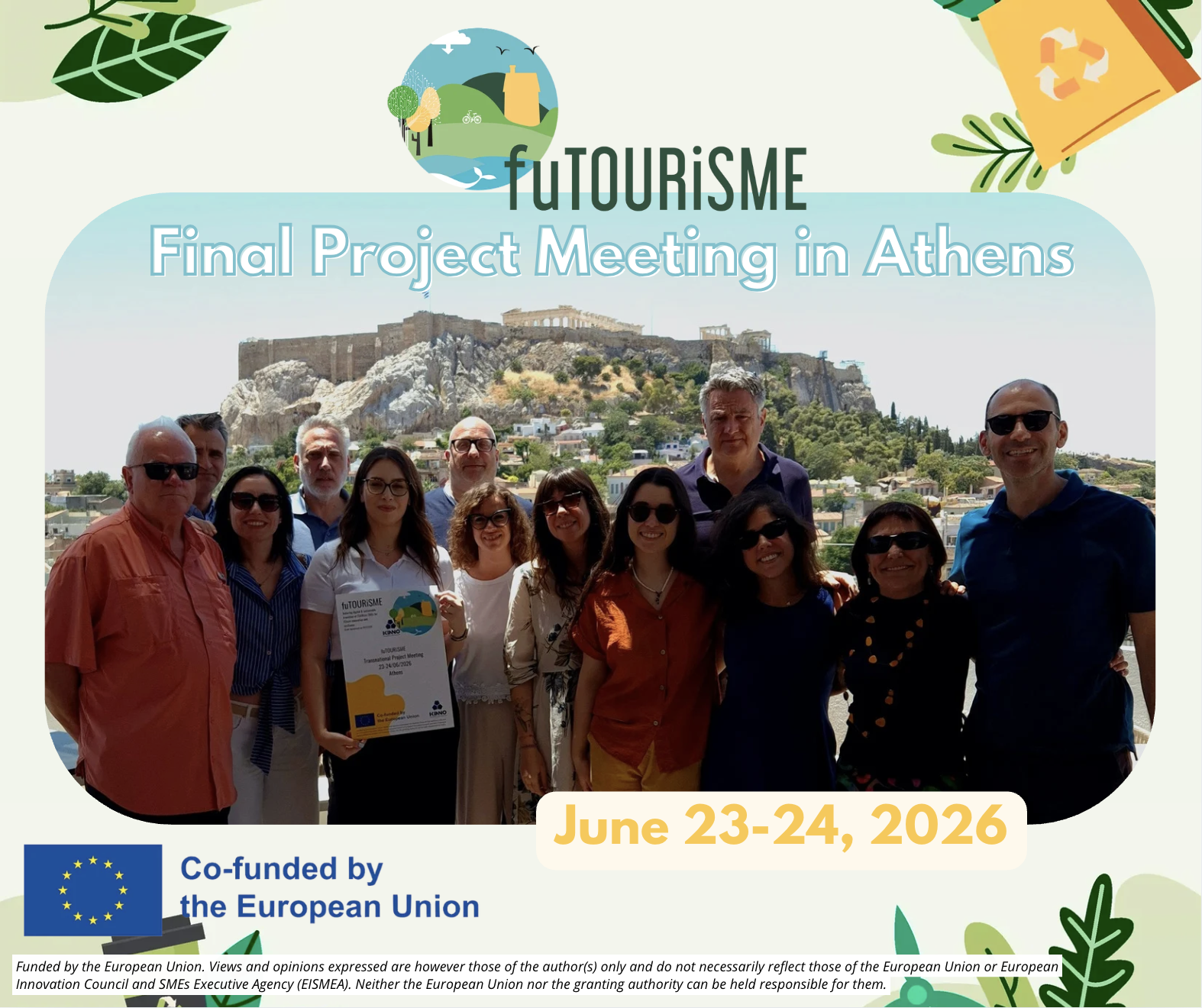
fuTOURiSME: Empowering Tourism SMEs for the Twin Transition
- Categories
- Coastal, maritime and inland water tourism Cultural tourism Ecotourism +64 more

RegenT: Pioneering Regenerative Tourism in the Baltic Sea Region
- Categories
- Coastal, maritime and inland water tourism Cultural tourism Ecotourism +45 more

Explore our May article on unbalanced tourism
- Categories
- Coastal, maritime and inland water tourism Cultural tourism Ecotourism +64 more