

Legislation
06 July 2026
EU packaging waste rules aim to boost recycling and cut waste
Legislation
06 July 2026
Login / create an account to be able to react
-
9
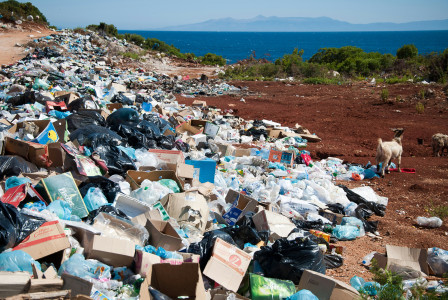
The EU’s Packaging and Packaging Waste Regulation sets new rules for packaging design, use, and waste management across the single market. The regulation is intended to reduce packaging waste, increase recyclability, and support the transition to a more circular and climate-neutral economy.
European Commission
Topics
Albania
Armenia
Austria
Belgium
Bosnia and Herzegovina
Bulgaria
Croatia
Cyprus
Czechia
Denmark
Estonia
EU-27
Finland
France
Georgia
Germany
Greece
Hungary
Iceland
Ireland
Italy
Kosovo
Latvia
Liechtenstein
Lithuania
Luxembourg
Malta
Moldova
Montenegro
Netherlands
North Macedonia
Norway
Poland
Portugal
Romania
Serbia
Slovakia
Slovenia
Spain
Sweden
Switzerland
Türkiye
Ukraine
Other
Academic / Research and VET Institutions
Business Support Organisation
Company with 250 or more employees
Cluster Organisations
Consumer Organisations
Cultural and Heritage Organisations
Destination Management & Marketing Organisations
EU Institutions
Financial Institutions and Investors
Industry Associations and Chambers of Commerce
International Organisations
Local Authorities
Media / Journalist Organisations
National authorities
Networks and Federations / Confederations
NGOs / Non-profits
Notified Bodies
Regional Authorities
SMEs (a company with less than 250 employees)
Social Economy Entity
Trade Unions
Other
-
CoC aspirational objectives
-
-
4. An optimised circular and resource-efficient food chain in Europe
-
Share
The Packaging and Packaging Waste Regulation introduces a new EU framework covering all packaging and packaging waste, regardless of material or origin. Entering into force in February 2025 and generally applying from August 2026, the rules are designed to address the growing environmental impact of packaging and the continued high use of primary raw materials.
The regulation establishes requirements for the manufacture, composition, reuse, and recoverability of packaging placed on the EU market. It also includes measures to prevent waste and improve waste management, such as restrictions on certain single-use plastic packaging, rules for takeaway containers, and limits on substances of concern, including PFAS in food contact packaging above specific thresholds.
Overall, the new framework aims to make all packaging on the EU market recyclable in an economically viable way by 2030, increase the use of recycled plastics, and reduce dependence on virgin materials. It is a central element of the EU’s broader effort to build a circular, competitive, and low-carbon economy.
#PackagingWaste #CircularEconomy #Recycling #EURegulation #PlasticWaste #Sustainability #WasteManagement
Comments (0)
See also

Commission launches new initiatives to strengthen Europe’s bioeconomy
- Categories
- 5. Sustained, inclusive and sustainable economic growth, employment and decent work for all 6. Sustainable value creation in the European food supply chain through partnership
European Parliament adopts new rules on genomic techniques for plants
- Categories
- 4. An optimised circular and resource-efficient food chain in Europe 6. Sustainable value creation in the European food supply chain through partnership 7. Sustainable sourcing in food supply chains
Council approves new rules to strengthen farmers in the food supply chain
- Categories
- 6. Sustainable value creation in the European food supply chain through partnership