

Publications
28 July 2026
EU organic agri-food imports reached record volumes in 2025
Publications
28 July 2026
Login / create an account to be able to react
-
35
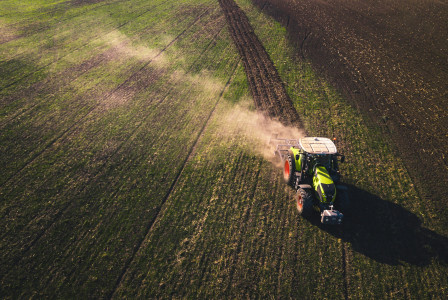
The European Commission has published an analytical brief on EU imports of organic agri-food products in 2025, based on TRACES data. It shows record import volumes, shifts in product categories and changes in main destination and origin countries. The findings can help policymakers, researchers, businesses and sector organisations assess supply patterns and resilience in the organic food chain.
European Commission
Topics
Austria
Belgium
Bulgaria
Denmark
EU-27
France
Germany
Ireland
Italy
Netherlands
Poland
Spain
Sweden
Academic / Research and VET Institutions
EU Institutions
Industry Associations and Chambers of Commerce
National authorities
SMEs (a company with less than 250 employees)
-
Agri-food strategic objectives
-
-
Healthy and sustainable diets
-
Food loss and waste
-
A climate – neutral food chain
-
Share
The European Commission’s June 2026 analytical brief reports that EU imports of organic agri-food products rose from 2.64 million tonnes in 2024 to 2.98 million tonnes in 2025, an increase of 12.8% and the highest level recorded since data collection began in 2018. Using TRACES data, the brief shows growth in imports of fruits and vegetables, arable crops, coffee, cocoa and mixed food preparations, while imports of organic meat, dairy and fish products declined. The Netherlands remained the main EU destination for these imports, and Poland entered the top 10 destinations for the first time. For agri-food stakeholders, the data provide a useful evidence base on organic supply chains, sourcing patterns and market developments relevant to sustainability, resilience and strategic planning.
Fine the full report here.
#SustainableDiets #SustainableFoodPackaging #SustainableSourcing #SingleMarketAgriFood #FoodSystemResilience #EUAgriculturalPrices
Comments (0)
Connected Partnership Opportunities
See also
EIT-Food report: Reducing Risk for a Fair & Resilient Food System
- Categories
- Food loss and waste A climate – neutral food chain Circular and resource-efficient food chain +3 more

Neglected and Underutilised Species (NUS): Potential for Food and Nutrition Security – a Knowledge Review
- Categories
- Food loss and waste A climate – neutral food chain Circular and resource-efficient food chain +3 more

JOINT FAO/WHO EXPERT COMMITTEE ON FOOD ADDITIVES
- Categories
- Food loss and waste A climate – neutral food chain Circular and resource-efficient food chain +3 more