

Publications
22 September 2026
Study finds openness to new foods, not family rules, drives school meal acceptance
Publications
22 September 2026
Login / create an account to be able to react
-
8
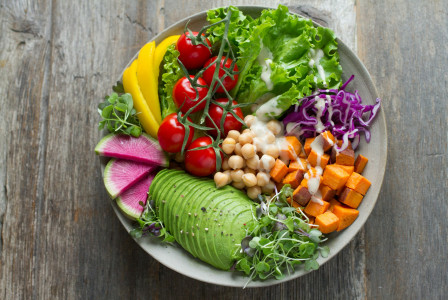
A large-scale study across 12 EU countries finds that children's willingness to try new foods, rather than adherence to family eating rules, is the strongest predictor of whether they accept newly introduced sustainable school meals. Based on 2,481 children aged 9-15, the study found 75.6% showed at least partial acceptance of a plant-based recipe adapted to local food cultures, with implications for how school food procurement and menu design can reduce plate waste while advancing healthier diets.
Editorial team
University of Gastronomic Sciences
Topics
Austria
Belgium
Czechia
Denmark
Estonia
France
Germany
Hungary
Italy
Slovakia
Spain
Sweden
Academic / Research and VET Institutions
Consumer Organisations
Local Authorities
-
Agri-food strategic objectives
-
-
Food loss and waste
-
Share
Conducted within the Horizon 2020 SchoolFood4Change project, the study found that children's openness to trying new dishes was the single strongest factor associated with lower plate waste, followed by enjoyment of eating socially with classmates and ethical or environmental food values. Conversely, a preference for sweet and energy-dense foods was linked to higher waste, while strict adherence to family food rules showed no significant effect either way.
The study also found that national regulatory context mattered: countries with mandatory sustainability criteria in school food procurement, such as Germany, Austria, France and Sweden, recorded lower plate waste than countries lacking such requirements. The authors suggest that locally adapted recipes, rather than standardised menus, combined with attention to the social atmosphere of the canteen, can support the shift toward more sustainable school meals across the EU.
#FoodLossAndWaste #HealthyDietsEU
Documents
Comments (0)
Connected Partnership Opportunities
See also
Commission study outlines key pathways to strengthen EU farm resilience
- Categories
- Circular and resource-efficient food chain Sustainable economic growth and employment
Study on sustainability in the context of food contact materials (FCM) in view of a possible revision of the FCM legislation
- Categories
- A climate – neutral food chain Circular and resource-efficient food chain Sustainable food supply chain +1 more
EIT-Food report: Reducing Risk for a Fair & Resilient Food System
- Categories
- Food loss and waste A climate – neutral food chain Circular and resource-efficient food chain +3 more