

Publications
15 September 2026
Study models three pathways to reduce EU's dependence on imported protein feed
Publications
15 September 2026
Login / create an account to be able to react
-
10
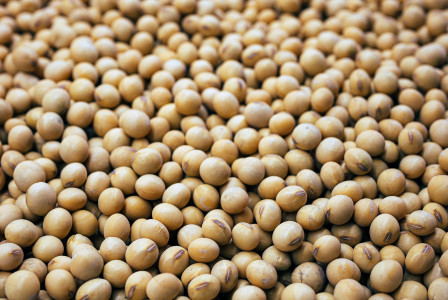
A new study co-authored by JRC scientists models three pathways for reducing the EU and UK's dependence on imported soybean-based protein feed by 2030: a full trade disruption scenario, increased policy support for domestic legume cultivation, and a modest shift in consumer diets toward more plant-based protein. All three increase legume production to varying degrees, but none fully closes the EU's structural protein deficit on its own.
Editorial team
Joint Research Centre
Topics
EU-27
Academic / Research and VET Institutions
Industry Associations and Chambers of Commerce
National authorities
-
Agri-food strategic objectives
-
-
Sustainable sourcing
-
Share
The EU currently imports around 95% of the soybeans and soybean meal it uses, roughly 14 and 16 million tonnes annually, largely from Brazil, Argentina and the US. Under the trade disruption scenario, modelled as a complete halt to imports, domestic legume production expands substantially but still falls short of replacing lost supply, pushing soybean prices up 150% and reducing livestock output by 2-3%, particularly affecting pig and poultry farms. The policy support scenario, modelled as EU-wide use of the existing option to allocate 2% of direct payments to protein crops, achieves more modest gains with limited disruption to markets or farm incomes. The consumer scenario, an 11% shift from meat to plant-based protein based on EU consumer preference surveys, delivers comparatively smaller domestic production changes but the largest reduction in global greenhouse gas emissions, since it reduces demand-driven pressure on production both within and outside the EU.
A complementary life-cycle assessment found the environmental burden of German-grown soybeans was two to three times lower than that of imported Brazilian soybeans across most impact categories, reflecting the deforestation and land-use change associated with soy expansion in South America.
#StrategicAutonomyFood #SustainableSourcing #FoodSystemsRD
Documents
Comments (0)
Connected Partnership Opportunities
See also

Food safety in the EU – Special EUROBAROMETER Report
- Categories
- Food loss and waste A climate – neutral food chain Circular and resource-efficient food chain +3 more

EIT-Food report: Reducing Risk for a Fair & Resilient Food System
- Categories
- Food loss and waste A climate – neutral food chain Circular and resource-efficient food chain +3 more
Study on sustainability in the context of food contact materials (FCM) in view of a possible revision of the FCM legislation
- Categories
- A climate – neutral food chain Circular and resource-efficient food chain Sustainable food supply chain +1 more