

Best practices
15 September 2026
HazCheckIn: turning guest check-in into an automatic compliance step
Best practices
15 September 2026
Login / create an account to be able to react
-
4

Instead of collecting guest details on paper and submitting them separately to the authorities, this practice moves the whole process online: guests check in from their phone, and their data is automatically sent to the required statutory reporting system. Developed by Joinble Digital Intelligence SL, HazCheckIn is used in Spain across hotels, holiday rentals, campsites and rural accommodation, showing how a mandatory administrative task can become a fast, low-error digital step that also improves the guest's arrival experience.
Editorial team
Topics
Spain
Company with 250 or more employees
SMEs (a company with less than 250 employees)
Other
-
Specific types of tourism
-
-
Adventure tourism
-
Coastal, maritime and inland water tourism
-
Cultural tourism
-
Ecotourism
-
Education tourism
-
Festival tourism
-
Gastronomy tourism
-
Health and medical tourism
-
MICE tourism
-
Mountain tourism
-
Religious tourism
-
Rural tourism
-
Sports tourism
-
Urban/city tourism
-
Wellness tourism
-
-
Transition Pathway Strategic Areas
-
-
Best practices, peer learning and networking
-
Digitalisation of tourism SMEs and destinations
-
Tools for data on tourism
-
-
Business activities
-
-
Holiday Housing / Apartments and other short stay accommodation
-
Hotel and similar accommodation
-
Other accommodation
-
Share
The challenge
Accommodation providers in many EU countries are legally required to identify guests and report reservation and traveller data to a national or regional authority, usually within a fixed time window after arrival. Where this is still done manually - copying ID documents, filling in forms, submitting them through separate channels - it consumes staff time, introduces transcription errors, and creates a real risk of missed deadlines and penalties. Small and independent operators without dedicated administrative staff are especially exposed.
The practice
HazCheckIn removes manual handling from both the guest's side and the operator's side:
- Guests complete identification and check-in remotely, from their own device, before or on arrival - no front-desk paperwork.
- The data collected is automatically formatted and transmitted to the relevant statutory reporting system within the required deadline, with no manual re-entry.
- The check-in workflow connects to existing reservation and property-management tools, so booking data only needs to be entered once.
- The same digital process applies across accommodation types - hotels, apartments, campsites, rural houses - independent of size or category.
Why it works
Automating a mandatory reporting task reduces administrative workload, cuts data errors, and lowers the risk of non-compliance. For guests, it replaces paperwork with a quick, contactless arrival. Because the workflow integrates with standard booking and property-management systems rather than replacing them, it can be adopted gradually, alongside an operator's existing tools.
The specific authority or system a property reports to differs by country and region, but the underlying model is not country-specific: digital, guest-completed check-in feeding directly into whatever statutory reporting applies. This makes the practice relevant to any Member State with mandatory guest-registration requirements, and to accommodation businesses of any size - from single-unit hosts to multi-property operators - seeking to reduce administrative burden through digitalisation.
#DigitalTourism #TourismSMEs
Comments (0)
Connected Partnership Opportunities
See also
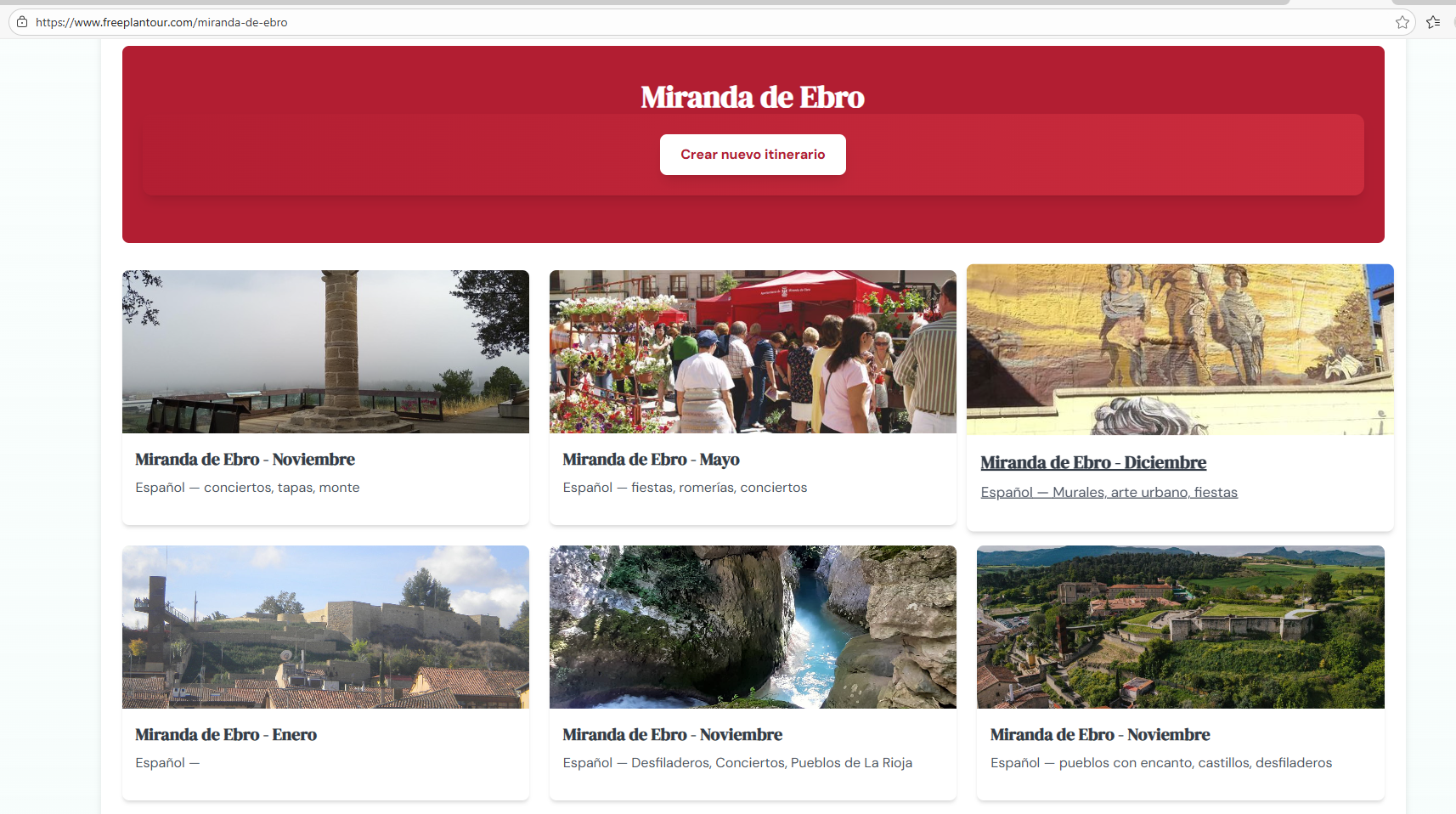
Platform for creating accessible and multilingual itineraries with voice assistant
- Categories
- Coastal, maritime and inland water tourism Cultural tourism Ecotourism +64 more

Webinar resources "The benefits of data-sharing from regulated Short Term Rentals"
- Categories
- Coastal, maritime and inland water tourism Cultural tourism Ecotourism +44 more
Last chance to register for the webinar "Awareness raising on education and training opportunities needed for the twin transition"
- Categories
- Coastal, maritime and inland water tourism Cultural tourism Ecotourism +50 more