

Knowledge documents
10 November 2026
Compendium of 63 good practices links heritage, tourism and digital innovation
Knowledge documents
10 November 2026
Login / create an account to be able to react
-
3
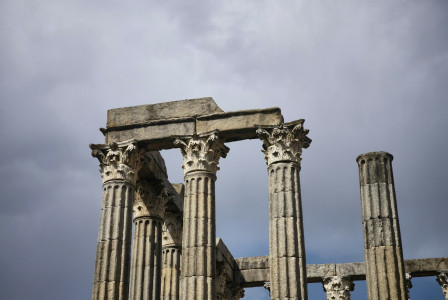
The MetaHeritage project has published a compendium of 63 good practices showing how cultural and corporate heritage can drive tourism, entrepreneurship and regional development across Europe. The examples range from immersive digital experiences and cultural routes to heritage-based business models and cross-border cooperation.
Editorial team
European Heritage Hub
Topics
EU-27
Cluster Organisations
Cultural and Heritage Organisations
Destination Management & Marketing Organisations
SMEs (a company with less than 250 employees)
-
Specific types of tourism
-
-
Cultural tourism
-
Gastronomy tourism
-
Religious tourism
-
Rural tourism
-
-
Transition Pathway Strategic Areas
-
-
Best practices, peer learning and networking
-
Digitalisation of tourism SMEs and destinations
-
Governance of tourism destinations
-
Innovative tourism services
-
-
Business activities
-
-
Activities of associations and other organisations supporting tourism
-
Museums
-
Operation of historical sites
-
Other accommodation
-
Share
The compendium was prepared under MetaHeritage, an EU-funded Interregional Innovation Investments (I3) capacity-building project, and coordinated by the European Clusters Alliance. The practices were collected through the partnership’s networks and an open call held between April and June 2026. They were selected for their relevance, demonstrated results, stakeholder involvement, transferability and contribution to sustainable regional development. The practices are grouped into six chapters: digital heritage solutions, innovation and preservation, cultural routes and tourism development, heritage-based business models, institutional recognition and knowledge, and cross-border cooperation. Each one follows the same template, covering partners, funding, target groups, background, actions, results and transferability.
The examples involve public authorities, universities, clusters, SMEs, foundations, tourism organisations and civil society. They include the Camino de Santiago and Via Francigena cultural routes, the Rota do Românico inter-municipal route in northern Portugal, the Solares de Portugal network of historic houses offering rural accommodation, Emilia-Romagna’s Motor Valley, and extended reality applications tested at Latvia’s Araiši open-air museum. For destinations and heritage organisations, especially in less developed and rural regions, the collection offers tested approaches to creating visitor experiences, diversifying income and building partnerships across borders. The authors describe it as a living document that will be expanded as new initiatives emerge.
#CulturalHeritage #HeritageTourism #DigitalHeritage #CulturalRoutes
Documents
Comments (0)
Connected Partnership Opportunities
See also

"Addressing changing holiday patterns due to climate change" Summary
- Categories
- Coastal, maritime and inland water tourism Cultural tourism Ecotourism +63 more
“Key updates and trends in 2024” Summary
- Categories
- Coastal, maritime and inland water tourism Cultural tourism Ecotourism +64 more

"Awareness of changes in tourism demand and twin transition" Summary
- Categories
- Coastal, maritime and inland water tourism Cultural tourism Ecotourism +64 more