

Event resources
08 October 2026
Aquaculture sector explores circular uses for shells, nets and fish by-products
Event resources
08 October 2026
Login / create an account to be able to react
-
18
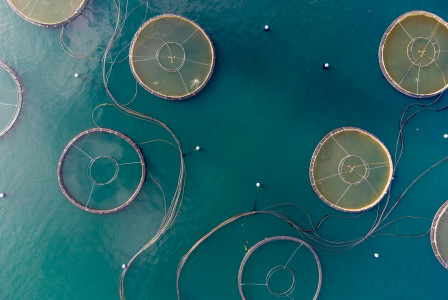
A workshop organised by CINEA at Aquaculture Europe 2026 in Ljubljana brought together researchers, businesses and public authorities to examine how aquaculture side-streams can become new products and farm inputs. For producers, the discussion points to a way of reducing waste disposal costs and opening new revenue lines, provided that regulation, infrastructure, finance and skills keep pace.
Editorial team
European Climate, Infrastructure and Environment Executive Agency
Topics
EU-27
Academic / Research and VET Institutions
National authorities
SMEs (a company with less than 250 employees)
-
Agri-food strategic objectives
-
-
Circular and resource-efficient food chain
-
Share
The session presented EU-funded projects working with very different materials. GREENLIFE4SEAS turns mussel shells and dredged harbour sediments into paving and breakwater blocks, and LIFE MUSCLES tested biodegradable mussel socks and a mobile recycling plant that had treated almost 100 tonnes of polypropylene by the end of 2025. Horizon Europe projects VALORISH, AQUAPHOENIX and CIRCALGAE are developing routes to recover fish oil and protein, convert farm sludge into fertilisers and biogas, and process seaweed and microalgae side-streams into higher-value ingredients, while BlueAquaEdu mapped 234 aquaculture education establishments across 18 EU countries.
A new background paper from the EU Aquaculture Assistance Mechanism, linked to the Strategic Guidelines for EU aquaculture, groups the options into three routes: using more circular inputs, making better use of side-streams, and connecting aquaculture waste streams with other industries. It also identifies barriers to scaling, including regulatory uncertainty, infrastructure, finance and skills.
#CircularFoodChain #FoodValorisation #ResourceEfficientFood
Comments (0)
Connected Partnership Opportunities
See also
EU CRCF Days set stage for carbon farming market with new Buyers' Club
- Categories
EU CAP Network seminar turns generational renewal strategy into concrete national proposals
- Categories

Commission webinar maps AI adoption path for Europe's agrifood sector
- Categories