

Best practices
05 November 2026
Disused railway lines in Latvia and Estonia become a 750 km walking and cycling network
Best practices
05 November 2026
Login / create an account to be able to react
-
4
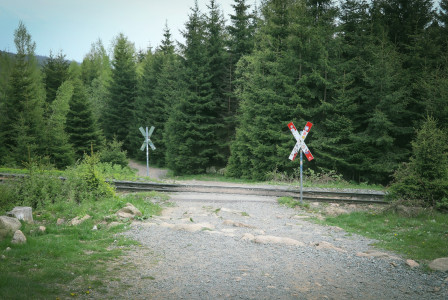
The Green Railways project turned former narrow-gauge railway lines in the Vidzeme region of Latvia and southern Estonia into shared routes for walking, cycling and, in winter, cross-country skiing. It was delivered between 2017 and 2019 by around 24 municipalities and organisations.
Editorial team
Interreg Estonia-Latvia
Topics
Estonia
Latvia
Destination Management & Marketing Organisations
Local Authorities
NGOs / Non-profits
Regional Authorities
-
Specific types of tourism
-
-
Adventure tourism
-
Rural tourism
-
Sports tourism
-
-
Transition Pathway Strategic Areas
-
-
Changes in tourism demand and opportunities
-
Sustainable mobility
-
Well-being of residents
-
-
Business activities
-
-
Activities of associations and other organisations supporting tourism
-
Other accommodation
-
Recreational and sport activities
-
Share
The work began with agreements with more than 40 landowners, because most of the railway embankment had become private property. Local authorities and NGOs then organised supervised volunteers to clear the track, and professional builders installed bridges, railings, signs and rest benches. On the 32 km Valmiera-Kocēni-Ainaži section alone, seven bridges were rebuilt for pedestrians and cyclists, and visitor counters were installed. The section was part of a 750 km cross-border network funded mainly by Interreg Estonia-Latvia.
Because the routes are usable all year, locals and visitors use them in every season, and the project reports that cyclist groups now stop in nearby villages to eat and visit cultural sites, which has led to new products and accommodation. The source gives no visitor figures. The main lesson it draws is to secure agreement from landowners and all local authorities along the line before any intervention, and not to stop at administrative borders.
#CyclingTourism #RailwayTourism #RuralTourism #Seasonality
Comments (0)
Connected Partnership Opportunities
See also
JHT Sweden - Evidence-Led Destination Marketing with Strong Ecosystem Anchoring
- Categories
- Coastal, maritime and inland water tourism Cultural tourism Ecotourism +64 more
Watershed Fly Fishing - Securing EU Funding Through Program Alignment
- Categories
- Coastal, maritime and inland water tourism Cultural tourism Ecotourism +64 more
Museumsverein Klostertal - Leveraging Program Alignment and Strategic Partnerships to Secure EU Funding
- Categories
- Coastal, maritime and inland water tourism Cultural tourism Ecotourism +64 more