

Publications
05 November 2026
Eurobarometer shows Europeans see value in food innovation but want clearer information
Publications
05 November 2026
Login / create an account to be able to react
-
7
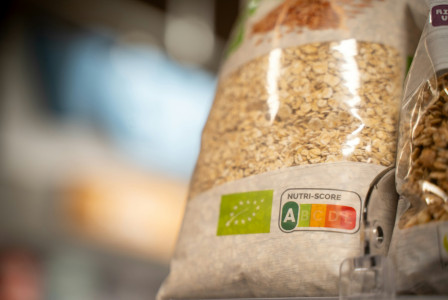
A Special Eurobarometer published on 26 October 2026, based on 26,456 interviews in all 27 Member States, finds that 68% of Europeans agree food innovation can give farmers and food producers additional tools against climate change, pests, resource scarcity and supply disruptions, while 72% say they do not feel well informed about innovative foods, ingredients and crops. Attitudes follow information: 72% of those who feel well informed have a positive view, against 27% of those who do not.
Editorial team
European Commission
Topics
EU-27
Academic / Research and VET Institutions
Consumer Organisations
SMEs (a company with less than 250 employees)
-
Agri-food strategic objectives
-
-
Healthy and sustainable diets
-
Share
Overall, 51% of respondents have a negative view of innovative food products and 39% a positive one, and acceptance depends on the product. The highest comfort is for fruit and vegetables from crops adapted to drought, pests or extreme weather (50%). Comfort is higher among younger people (more than 50% of those under 39, against 34% of those aged 55 and over), among those with longer education, in large towns (more than half, against 42% to 46% in villages and rural areas) and among those who had heard of innovative foods before (59%, against 32% of those with no prior exposure).
Transparency is the clearest demand: 85% agree that innovative food products should have clear names and understandable information about how they are produced, what they contain and where they come from. For companies developing new ingredients, proteins and crop varieties, the survey indicates that information and labelling will weigh on acceptance as much as technology, and the Commission links the results to its Food 2040 research and innovation framework and to the EU Life Sciences Strategy, which stresses public trust. Fieldwork took place between 22 May and 24 June 2026.
#FoodInnovation #ConsumerTrustFood #FoodSystemsRD
Comments (0)
Connected Partnership Opportunities
See also
HOLiFOOD campaign explains how climate change affects food safety
- Categories
- A climate – neutral food chain

JOINT FAO/WHO EXPERT COMMITTEE ON FOOD ADDITIVES
- Categories
- Food loss and waste A climate – neutral food chain Circular and resource-efficient food chain +3 more
Food safety in the EU – Special EUROBAROMETER Report
- Categories
- Food loss and waste A climate – neutral food chain Circular and resource-efficient food chain +3 more